
Thursday, October 1, 2026
In the weeks since the tragic assassination of Charlie Kirk, I have been deeply troubled by the response across our country. Kirk was a man of faith who placed family and his convictions at the center of his life. He dedicated himself to engaging with others to discuss ideas, challenging others to think critically and promoting dialogue, even in situations where he knew he would face hostility.
College students and young people are voters, and it is crucial for them to understand and engage in discussions about political issues. A strong, informed voice in public conversation can inspire thoughtful debate and meaningful participation, and should never be met with violence, under any circumstances. Murder and violence can never be acceptable solutions to political disagreements. Yet because one individual chose violence, a family with two young children now faces a life without their father.
As someone who was once a young widow, I know firsthand the profound pain children face when they grow up without a father. That is why the response we have seen from parts of this country, treating a public execution as if it were something to be minimized, is deeply troubling and profoundly disappointing. We must never lose sight of our shared humanity, regardless of political beliefs. Every life lost to violence is a reminder that civility, respect and the rule of law are values worth defending.
What has been particularly concerning is the misinformation that often spreads following tragic events. More so, it is troubling when such events are misused to justify or excuse political violence. I was relieved to see other public figures speak out and issue statements firmly refuting any such violence.
But when someone in the public eye minimizes the brutal murder of another public figure, it is not only wrong; it reflects a failure to exercise the responsibility that accompanies that role. Those who hold platforms with vast influence have a duty to act with care and recognize the real-world consequences of their words. Public figures must understand that their speech can foster constructive dialogue or, if misused, inflame division and contribute to hostility. Preserving the integrity of free expression requires accountability alongside protection. One could argue that the most important time to condemn political violence is when it is committed against those with whom you disagree.
Additionally, the repercussions of political violence extend far beyond the immediate tragedy. Communities, institutions and families are left grappling with fear, uncertainty and grief. When violence is used to silence ideas, it threatens the very foundations of democratic society. It undermines the ability of citizens to freely exchange viewpoints, challenge assumptions and participate fully in civic processes. Every person, regardless of age, background or political perspective, deserves to engage in discourse without fear of physical harm or intimidation.
Every life taken, every family shattered and every community unsettled by violence is a call to action. It is a reminder that our words, our actions and our leadership carry weight, and that safeguarding a culture of respect and civility is essential for the health of our nation. Charlie Kirk’s life, his courage to speak openly and the tragic circumstances of his death should compel Americans to reflect on the values we hold dear, and commit to defending them.
This tragedy must be a moment of reflection for our nation. Political violence, intimidation and incivility are never acceptable. Public figures, the media and all citizens share a duty to speak with integrity, engage one another respectfully and uphold the principles that make our democracy strong. Kirk’s life reminds us of the power of conviction and discourse, and his death underscores the cost of failing to protect those values. As a nation, we must stand united against violence and recommit to the civility that strengthens our democracy.
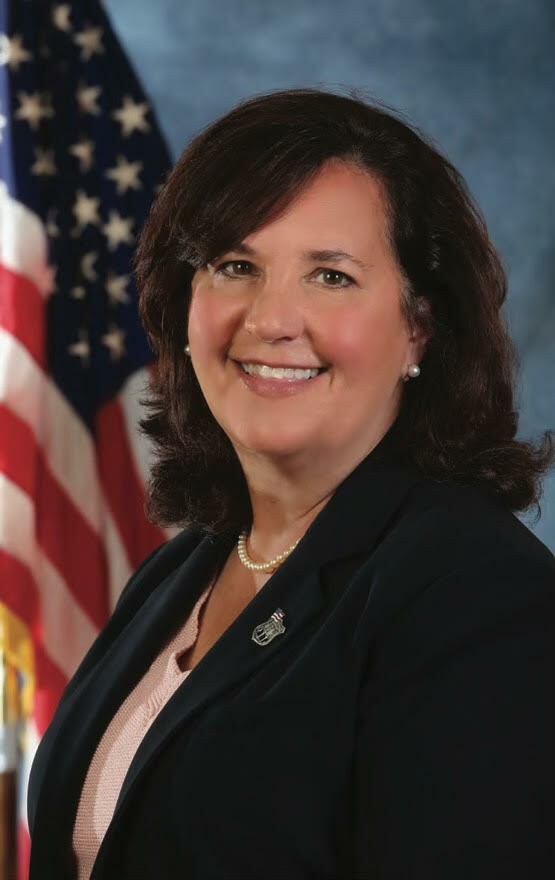
Patricia Canzoneri-Fitzpatrick represents the 9th State Senate District.


