
Thursday, October 22, 2026
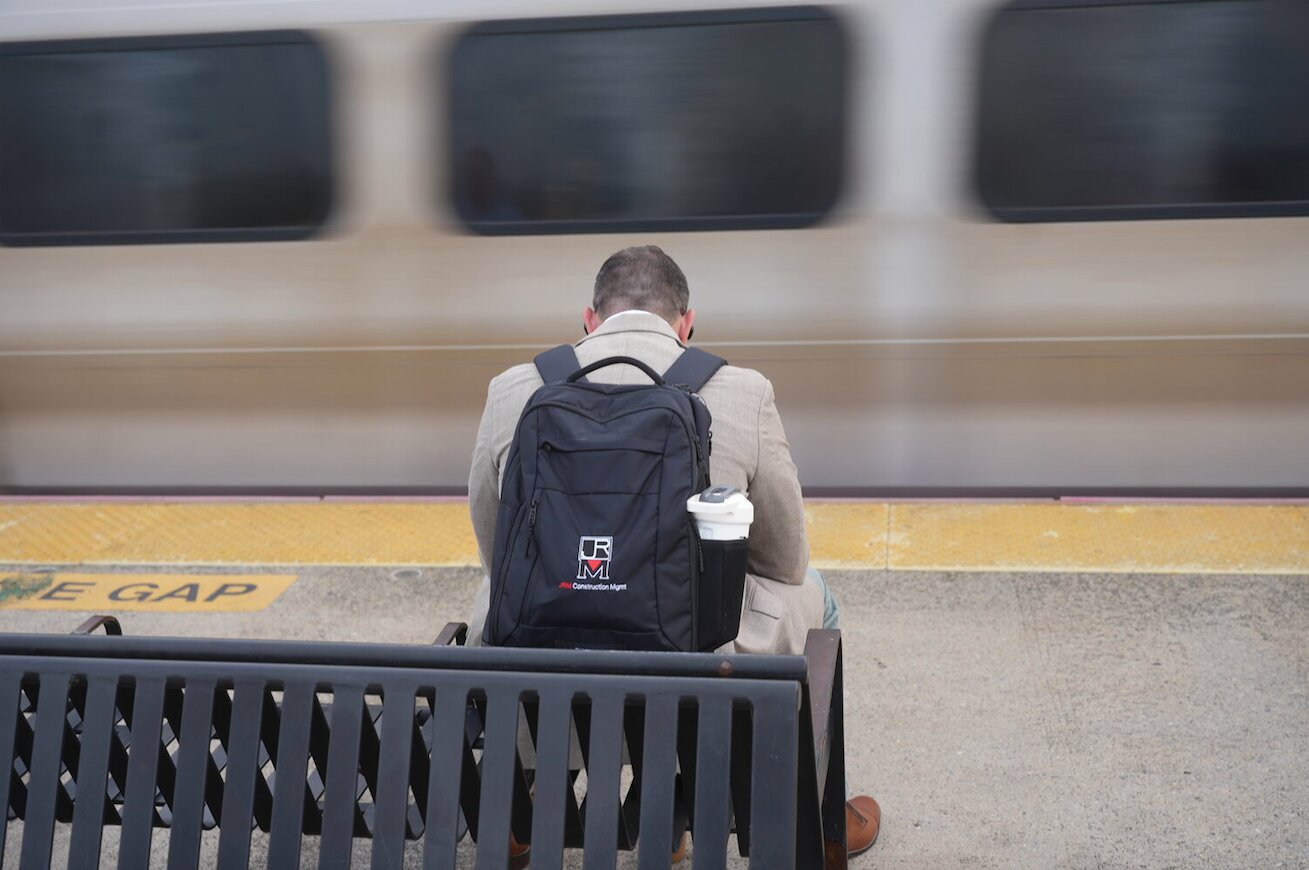
The Metropolitan Transportation Authority board faced strong opposition at its headquarters in Brooklyn from Aug. 19-20, when commuters packed public hearings to challenge the agency’s plan to raise ticket and toll prices starting in January 2026.
The proposal, released July 30, would mark the MTA’s first round of increases since 2023, when both fares and tolls climbed by more than 4 percent. Officials say the changes are necessary to maintain service levels and support a transit system still recovering from the financial strain of the pandemic.
One of the more notable changes would be on the Long Island Rail Road, where the MTA is proposing an average 4.4 percent fare hike on one-way peak, monthly, and weekly tickets. Off-peak city tickets would increase by 25 cents, to $5.25, and peak city trips would rise to $7.25. Monthly tickets would be capped at $500.
This increase would also affect commuters traveling from Lynbrook and East Rockaway, where many residents rely on the LIRR not only for daily access to Manhattan but also for service to other Long Island destinations along the network.
“They lose hundreds of millions on fares not being paid, and they continue to raise fares for those who pay,” the Village of Lynbrook Deputy Mayor Michael Hawxhurst said.
The MTA conducted a Blue-Ribbon report to investigate the impact of fare-evasion on the annual budget.
As of Dec. 2024, the report found nearly $700 million in revenue not collected in 2022 alone— including $44 million in railroad fare losses.
“Fares and tolls account for a significant proportion of the MTA’s annual budget revenue — almost $7 billion a year,” an MTA statement read. “But every dollar lost to evasion impairs the MTA’s financial stability, threatens reliable transit for all New Yorkers, and increases the need for alternative revenue sources, including through larger fare and toll hikes.”
Several Lynbrook residents pointed their frustrations to congestion pricing, which increases highway tolls into Manhattan, and touted by the Hochul administration as a way to supplement public transit funding and increase ridership.
“When does the constant rate increases stop?” Lynbrook resident Christopher Patrick asked. “They need someone to go and inspect their books for waste and fraud.”
In addition to the price hikes, the MTA plans to overhaul its ticketing system. All one-way mobile tickets would automatically activate upon purchase and expire within four hours. Paper tickets would follow the same rule. Currently, those tickets remain valid for up to 60 days, with 10-trip passes lasting six months. The new framework eliminates the round-trip ticket in favor of a “Day Pass,” which would allow unlimited travel until 4 a.m. the following morning. If approved, the fare changes would represent the LIRR’s first increase since August 2023, when prices rose by 4.5 percent.
Drivers would also see higher costs. The MTA’s plan calls for a 7.5 percent toll increase on its nine bridges and tunnels for E-ZPass users. That would raise the standard crossing fee from $6.94 to $7.46 on major spans such as the RFK, Whitestone, Throgs Neck and Verrazzano-Narrows bridges, as well as the Queens-Midtown and Hugh L. Carey tunnels. The Cross Bay and Marine Parkway bridges, which carry discounted tolls, would rise from $2.60 to $2.80. The last toll increase came in 2023.
Hundreds of riders and drivers attended the forums to register their opposition, voicing frustration over higher costs at a time of rising rents, food bills, and other living expenses. But the MTA defended the plan as a necessary step to sustain reliable service.
“We strive to make fare and toll increases small and predictable,” said MTA Chief of Commercial Ventures Jessie Lazarus while re-introducing the plan during the first night of the hearings. “In fact, 15 years ago, the MTA adopted a pattern of small and predictable fare and toll increases every two years. And we’ve acted in compliance with this policy ever since, which has protected us all from those double-digit percentage increases we experienced in the 1980s and helped the MTA keep service levels steady.”
Lazarus stressed that while no one welcomes higher prices, the agency must balance affordability with operational costs. They pointed to investments in expanded service and affordability programs such as reduced fares for students and low-income riders.
“Let’s ground ourselves in the fact that residents in the New York region have the lowest transportation costs in the country,” she said. “As the overwhelming majority of New Yorkers understand because they take public transit every day, the MTA is what keeps New York affordable. And fares and tolls are what keeps the MTA running and running frequent service.”
The proposal is subject to final approval by the MTA board this fall.


