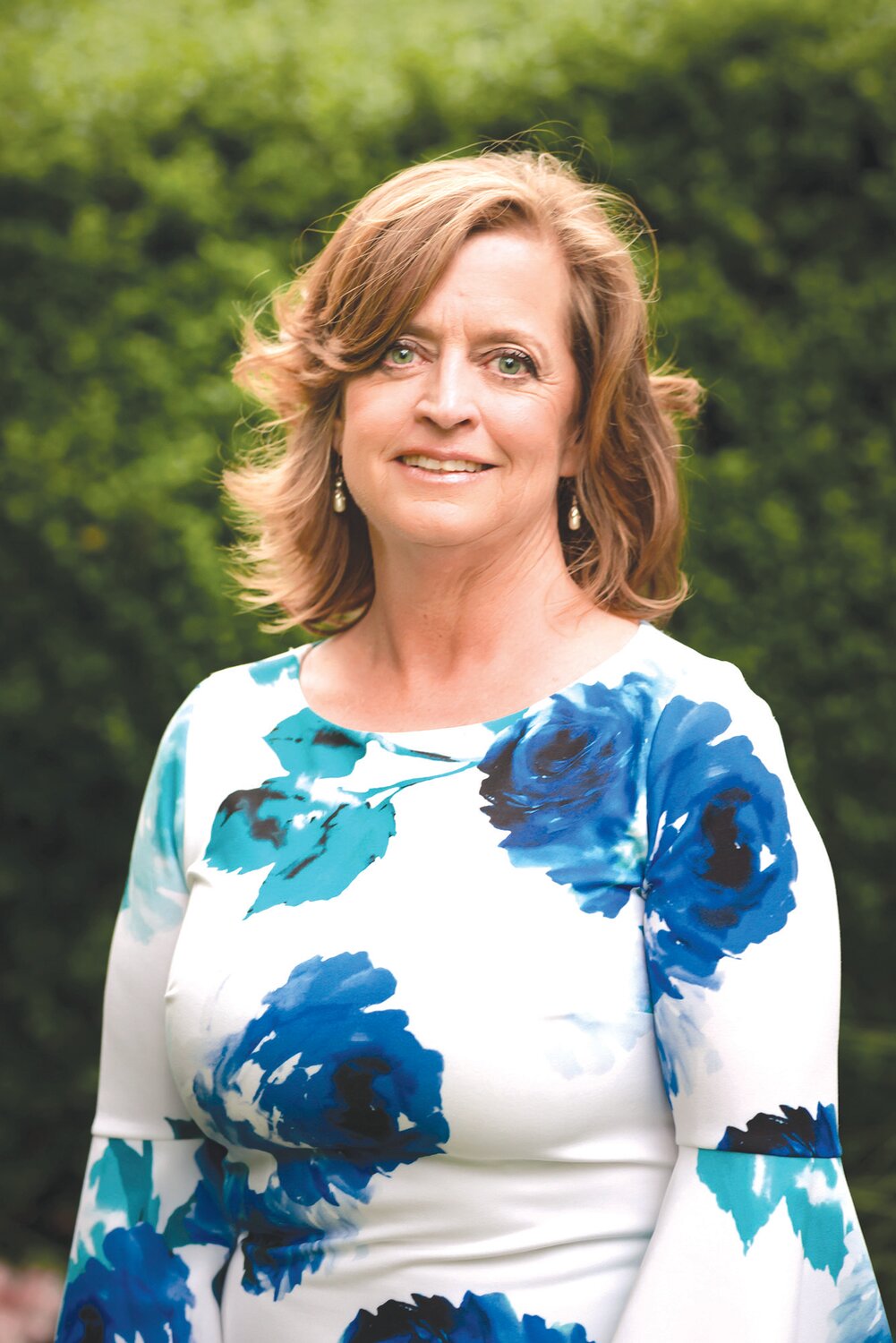
By Judy Griffin
Kratom is a substance that has caught the attention of legislatures across the country — in New York especially, due to its wide usage as a stimulant and because of its alleged medicinal properties, but mainly as a cause of recent tragic deaths. I believe you should be aware of the risks of kratom, its compounds and synthetic derivatives. According to Dr. Marty Makary, commissioner of the U.S. Food and Drug Administration, “Concentrated, synthetic 7-OH” — the herb’s chemical byproduct — “may be the fourth wave of the opioid epidemic.”
Kratom is a tropical tree native to Southeast Asia. Its leaves are sold on the market as tea, powder, pills, tablets or capsules. It is found in energy drinks, vapes, herbal supplements and gummies. Unregulated kratom products have been found to contain lead.
People use kratom to treat conditions such as pain, insomnia, anxiety, depression, opioid use disorder and withdrawal, and to boost energy and enhance wellness. Depending on the dosage, however, it can produce both stimulant effects and opioid-like sedative effects. Its risks include liver toxicity, seizures and addiction.
The use of kratom started to become mainstream over the past decade. It’s relatively inexpensive, but according to industry statistics, the industry is valued at between $1.3 billion and $5.62 billion, and is projected to grow rapidly. This is concerning!
The FDA has not approved any uses for kratom, and it is not lawfully marketed in the United States. The FDA describes it as lacking medicinal value, and has raised concerns about risks it says are similar to those of using morphine. The FDA warns consumers to avoid usage until it is better understood.
In 1970, Congress established five schedules of classification for controlled substances, Schedule 1 being the worst, and granted the Drug Enforcement Administration and the FDA the authority to determine which substances could be added or removed from those schedules.
In July, the FDA announced that it would recommend to the DEA that 7-hydroxymitragynine, or 7-OH, the powerful compound found in kratom, be classified as a Schedule I substance. Although it occurs naturally in the kratom plant, it is considered a synthetic substance in its potent form, in commercial products. The recommendation is now under review by the DEA.
Until the review is complete, New York can’t pass legislation that deviates from a federal classification standard because of the Supremacy Clause of the U.S. Constitution. Although this was a step in the right direction, the kratom plant itself was not included in the recommendation. I recently signed a letter written by the chairman of the Assembly’s Alcoholism and Drug Abuse Committee requesting that the DEA and FDA add kratom products as a Schedule I substance.
At least half of the states in the U.S. regulate kratom, often including age restrictions. As of this year, Alabama, Arkansas, Indiana, Louisiana, Rhode Island, Vermont, Wisconsin and Washington, D.C., have banned it, and classified it as a Schedule I substance. Florida and Missouri have banned synthetic 7-OH.
The inconsistency of these laws demonstrates exactly why federal regulation streamlining the classification and use of kratom is so vital. While it may have medicinal benefits, the focus should be on harm reduction. Individual choice needs to be respected, but I believe public health is at stake.
We have taken action in New York state. I co-sponsored two bills that passed unanimously in June and are awaiting Gov. Kathy Hochul’s signature. One would require manufacturers of kratom products in New York to include a warning label stating that the product hasn’t been approved by the FDA, and is prohibited from being labeled as all natural. The other bill would prohibit the sale of kratom to anyone under age 21. It is vital that we protect this age group, just as we do with the sale of alcohol and marijuana.
It is paramount that these bills be signed, and that kratom products be classified as Schedule I substances. The tragic deaths of too many New Yorkers have shown how dangerous and addictive kratom can be. Some people seeking alternative remedies to pain, insomnia, anxiety, fatigue and other problems have unknowingly been at risk, and some have died believing this substance was natural, safe and had therapeutic value.
Unfortunately, this sounds all too familiar. “We got burned with fentanyl. We got burned with prescription drugs,” Makary said. “We cannot get behind the eight-ball again.”
Judy Griffin represents the 21st Assembly District.