Thursday, October 1, 2026
What do you remember most about high school? For me, it was my social studies classes and the teachers who made me fall in love with history and ultimately pursue a career as a social studies teacher. But for many, the most cherished memories revolve around the extracurricular activities that provided opportunities for students to compete, create or invent in a supportive atmosphere, surrounded by their friends. For some, student clubs are where they felt special and seen.
Extracurricular activities can significantly boost students’ self-esteem and sense of belonging, profoundly impacting how they view themselves. That is why we need to reframe how we perceive extracurricular activities: They are not “extra,” they are essential. They are fundamental to a well-rounded education, and for that reason they need to be supported, protected and funded in schools.
The critical mission of school systems extends beyond merely producing students who meet proficiency on standardized exams. We are charged with producing critical thinkers who embody citizenship, teamwork, global awareness, confidence, leadership and perseverance. An article by the National Association of Secondary Principals highlights how student organizations also help “soft skills,” such as ambition and empathy, and what Brockett (author) calls “lifetime skills,” such as collaboration, teamwork, leadership, problem solving and service (Principal Leadership, 2016). Whether it is arts, music, robotics, sports or gaming, all have the potential to develop these vital qualities in our young people. The New York State Department of Education’s “NYS Portrait of a Graduate” affirms this, outlining qualities all public high school graduates should possess, including being global citizens, effective communicators, and culturally competent individuals. Clubs and activities play an important role in giving all students the experiences they need to acquire these skills.
To deliver a wide variety of high quality extracurricular programs, school districts need to leverage local community partners such as libraries, museums, colleges, and nonprofit organizations. These partnerships can broaden students’ exposure to areas of potential interest, complementing programs offered by school-based staff. Certified teachers, teacher assistants, school counselors and other staff are an integral part of the extracurricular landscape, working alongside community-based organizations’ staff to provide students with the best of both worlds. A true partnership between school districts and community organizations rests on leveraging the strengths of both.
In order to ensure all students have access to high quality enrichment opportunities, we need to close the opportunity gap, as many of these experiences come at a cost. Public schools in all communities should provide the funds to ensure that all students have the opportunity to participate in a variety of clubs, sports, music, arts and other activities. Schools need support to be able to continue to provide no and low-cost program options.
According to a report by the Wallace Foundation, “... families with means to pay for services and programs (care, arts, sports and clubs) simply agree that it is a good idea for children and youth to be cared for, form positive relationships, learn something new, have fun, prepare for their future and spark interests.” For many less-resourced families, if these opportunities are not provided in schools, their children cannot access them.
Schools continue to need more support from the state and the federal government for these programs to continue. We need funding allocations and access to grants that support programming for all children, but particularly those in less affluent communities. State and federal agencies need to continue to provide children with more than a mere adequate education, but one that sets them up for long-term success. Let’s work together to create a future where all children have opportunities to learn, grow and thrive.
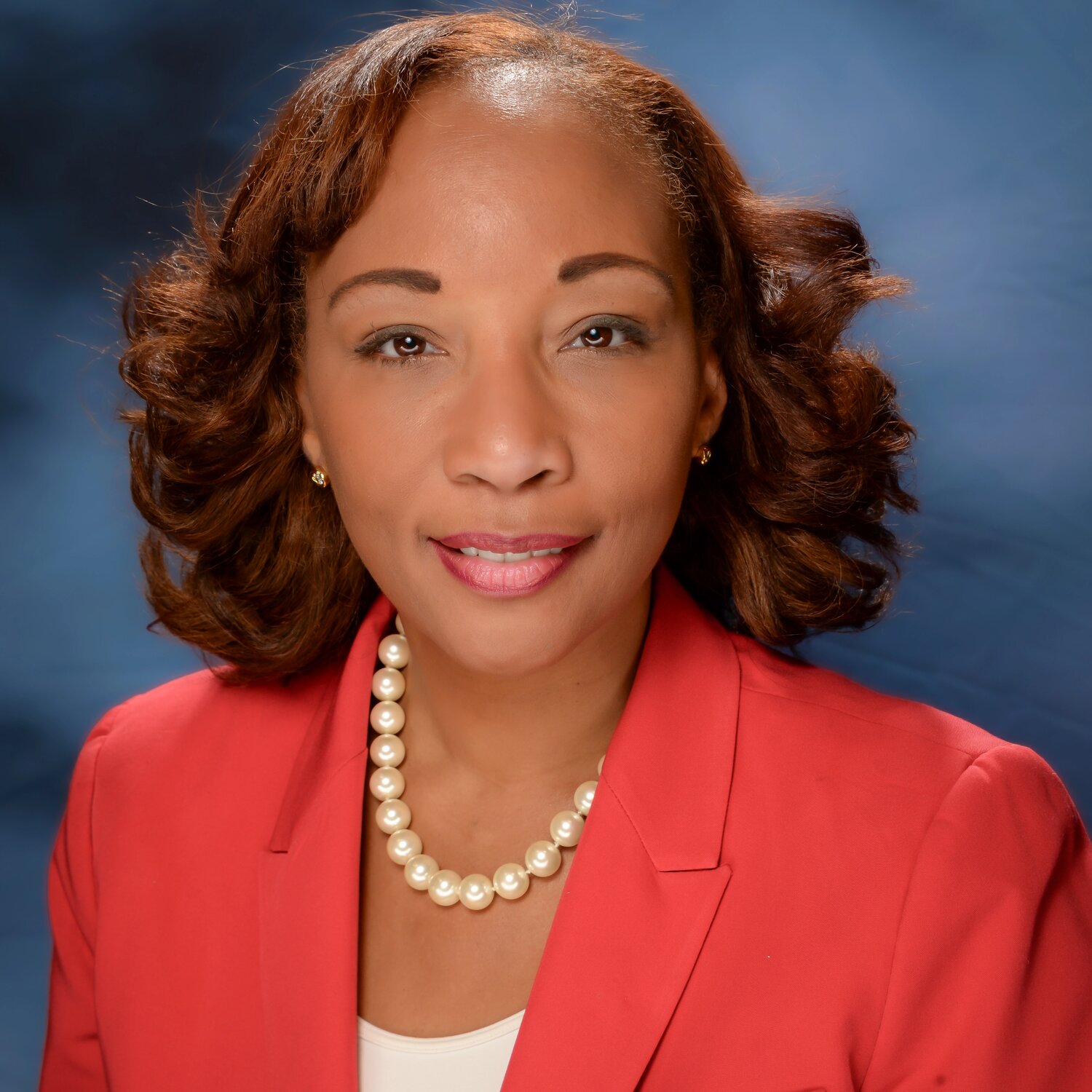
Monique Darrisaw-Akil is superintendent of the Uniondale School District.