
Saturday, October 3, 2026
Long Beach officials have reached a tentative settlement with a developer who had filed a $131 million lawsuit against the city in the hope of ending a three-decade legal battle. The agreement, if finalized, could see the construction of two 13½-story apartment buildings in Long Beach – the tallest in the city.
If not settled, the suit could cost the city $150 million or more with interest penalties.
City officials and representatives of two consulting firms hired by Long Beach to help negotiate with the developer agreed that some type of tax increase might be needed to construct the necessary infrastructure such as sewers and roads to support the new apartment buildings.
Combined, the two buildings would add 266 apartments to Long Beach’s real estate market.
The agreement calls on the city to make a payment to the developer, Sinclair Haberman, of $75 million – a 50 percent reduction from a court judgment filed against Long Beach a year ago.
The City Council must approve the tentative agreement. City officials said the council would next Tuesday ratify a “non-binding letter of intent” that will spell out the agreement and set a date of no later than Aug. 15 next year to sign a formal agreement.
“We looked at all of the alternatives,” said Maria DiConza, a partner at O’Melveny, one of the consultants. “We wouldn’t want the city to have to pay $150 million.”
Aside from the $75 million payment, the settlement is contingent on the city agreeing to allow Haberman to build the two 13½-story buildings on Shore Road, between Monroe and Lincoln boulevards, instead of three buildings that the developer had previously planned.
If those 13½-story buildings were constructed, they would be the tallest in the city. City Hall is six stories. The luxury Allegria Hotel is nine stories. There are two 10-story buildings in Long Beach, one at 26 West Broadway and the other at 16 West Broadway. The two buildings under construction by the developer Engel Burman on the Superblock are 10 stories on top of a parking lot.
The city said the density of the two new buildings would be less than the previously proposed three structures.
City officials spoke of the settlement as a victory, noting that, if approved, it would end litigation and cut off interest payments to the developer, which were accruing at the rate of $1.1 million per month for every month the suit was not settled. As of Wednesday, the city said, the judgment totaled almost $149 million. Long Beach said it planned to fund the settlement through long-term bonds.
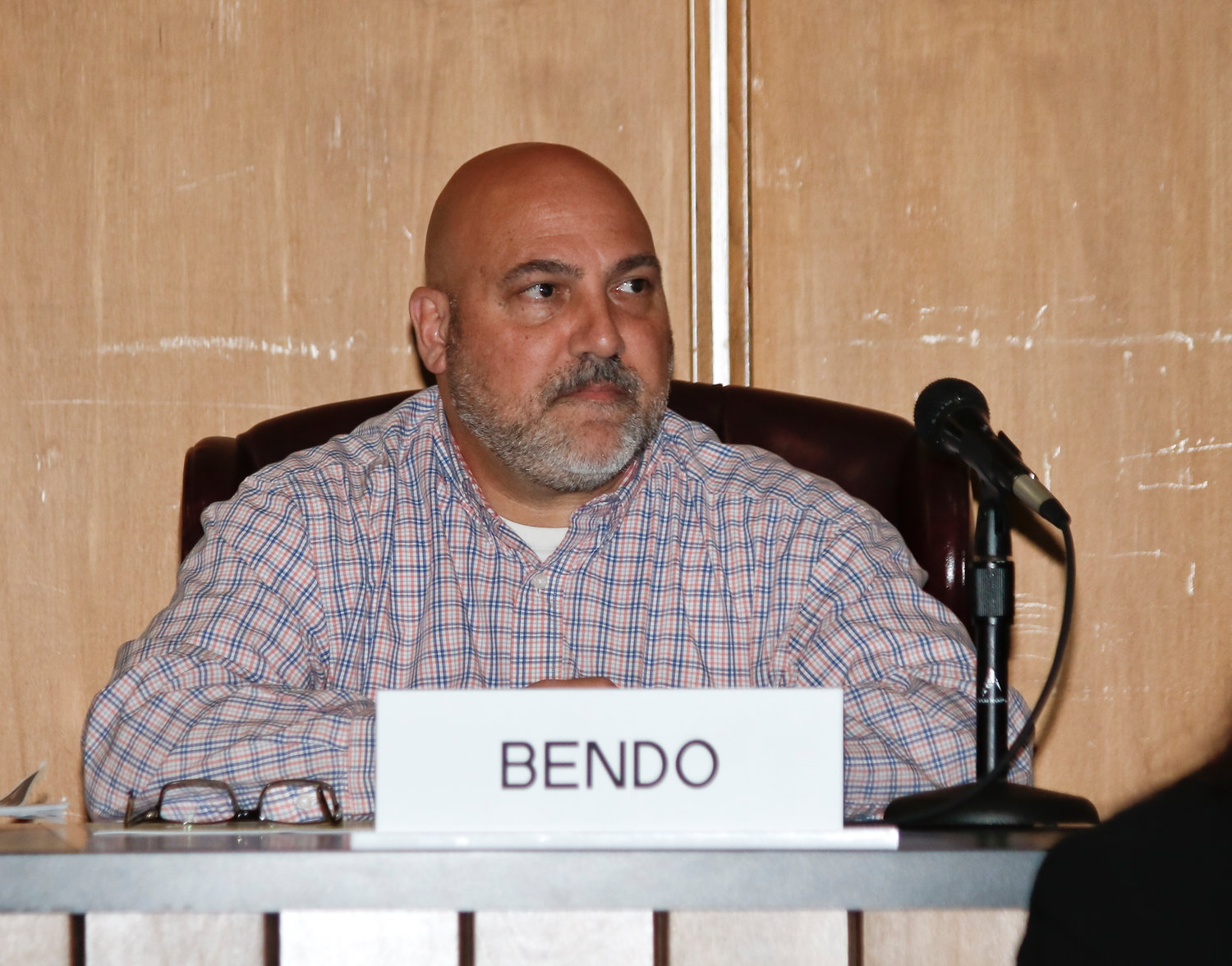
“This issue has weighed on the city for more than 34 years,” City Council President John Bendo said in a statement. “It posed a catastrophic impact to the city’s finances, its services and its residents. Our prospects for appeal were costly and risky. In sum, we have made this agreement with the plaintiff to work toward an end to an ugly chapter in the city’s history that was dropped in the lap of the current City Council.
“Like the recent iStar settlement, which ended a $100 million lawsuit against the city,” Bendo continued, “we wholeheartedly believe that this [letter of intent] represents the best outcome to the city’s current predicament and our collective future.”
A Nassau County Supreme Court judge had ordered Long Beach to pay $131.2 million to Haberman for blocking construction of three oceanfront condo buildings over the past three decades.
Judge Jack Libert handed the judgment to Haberman based on fair market value when litigation started in 1989 and the city revoked a building permit in 2003.
The city was found liable in 2015 for breach of contract on the property and failing to respond to Haberman's 2003 lawsuit seeking to construct the buildings planned next to the Seapointe Towers apartments facing the boardwalk between Monroe and Lincoln boulevards, and a third building planned for parking and condos across the street to replace the Lincoln Shore Apartments on Shore Road.
"The events giving rise to this case took place in 1989, the year that the Berlin Wall fell. The wall lasted for 28 years," Libert wrote in his decision. "Litigation related to this matter has lasted for 31 years so far."
City Council Vice President Karen McInnis, a chief financial officer in her professional life, concurred on Wednesday.
“The numbers will be a near-term challenge for the city going forward,” she said, “but this deal stops the bleeding, gives us the best chance to recalibrate ourselves, improve our bond rating, and preserve the staff and services that our residents count on. I’m proud to say that this council has put an end to the years of cronyism and mismanagement that created outcomes like this, which will never again be tolerated by our residents.”
Outside financial and legal consultants M3 Partners and O’Melveny & Meyers LLP, funded by the State Financial Restructuring Board, along with the city manager and the city’s corporation counsel, have worked for months with the assistance of the City Council to negotiate an agreement with the plaintiffs to resolve the outstanding issues.
“This situation that was inherited by the council and my administration had the potential to simply bankrupt the city,” Donna Gayden, the Long Beach city manager, said. “That’s not an acceptable outcome. Now, the properties can be developed, new tax revenue streams can flow, and this city will finally correct years and years of self-inflicted financial abuse.”
Over the next several months, the financial and legal consultants to the city, along with the city manager and corporation counsel, will work with the plaintiff’s representatives to finalize the formal agreement. And city representatives will further analyze and refine budget impacts so residents have a clear understanding of the near-term effects of the agreement.


