
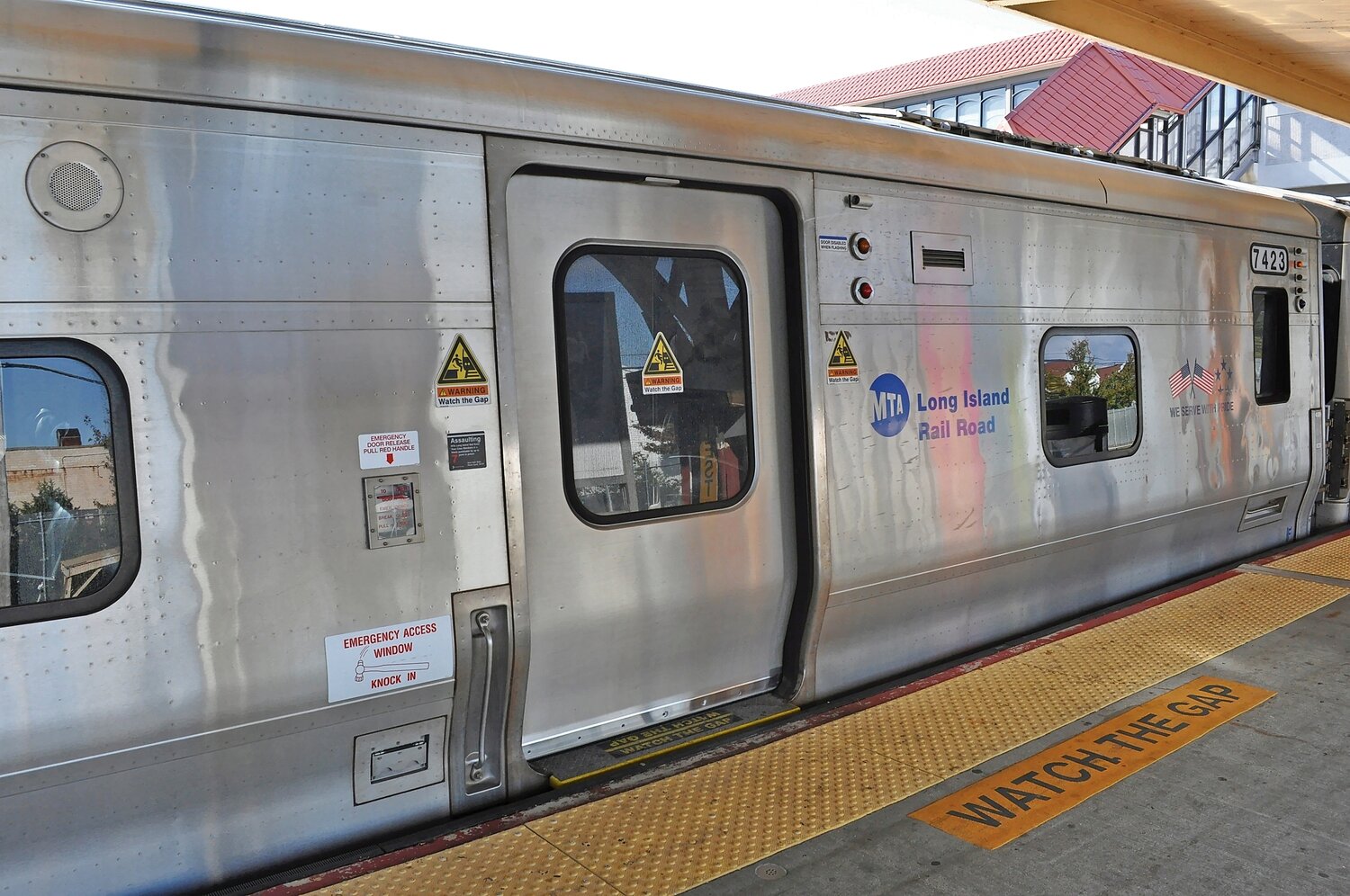
Long Island residents who rely on public transportation are paying more to get to work and commute around the region after a Metropolitan Transportation Authority fare increase took effect on Jan. 4.
The base fare to board New York City’s subways and buses rose from $2.90 to $3, the first increase in more than two years. While the 10-cent hike amounts to less than a 4 percent increase, fares also went up on the Long Island Rail Road, which many South Shore commuters depend on for daily travel into Manhattan.
On the LIRR, monthly, weekly and one-way peak fares jumped an average of 4.5 percent, with some one-way fares rising by as much as 8 percent. The MTA said monthly ticket prices would not exceed $500, noting that current monthly fares are roughly equivalent to 2019 prices when adjusted for inflation, following a suspended increase in 2021 and a temporary discount in 2022.
MTA Chairman Janno Lieber called the new prices, “modest fare increases.”
The MTA board approved the fare increases in September, but implementation was delayed until the beginning of 2026 as the agency completed the transition from the MetroCard to the OMNY contactless payment system.
In addition to higher fares, several policy changes regarding tickets are now in effect for LIRR riders. One-way tickets are now valid only until 4 a.m. the day after purchase, replacing the previous 60-day validity period. A new unlimited Day Pass has replaced round-trip tickets, and a mobile “pay-as-you-go” discount now offers a free trip after 10 rides within a 14-day period.
Critics, including Rep. Laura Gillen, who represents a large swath of the South Shore, accused the MTA of a “cash grab,” arguing that the agency hit Long Islanders with congestion pricing, to incentivize LIRR use, and then punished those who switched to the LIRR with fare hikes.
In the month before the price hikes went in effect, the LIRR broke weekend ridership records, and officials said that 183,250 people rode the train on Saturday, Dec. 13, the largest number of Saturday riders since the pandemic. Eight days later, 152,661 customers rode the LIRR registering the highest post-pandemic Sunday ridership.
“We continue to shatter ridership records because we are providing plenty of service to meet demand and remain focused on improving the customer experience,” LIRR President Rob Free stated in a news release. “The LIRR is the best way to travel not just during the holiday season but throughout the year, and we look forward to breaking more records in 2026.”
The MTA also expanded its Family Fare program, allowing children ages 5 to 17 to ride an LIRR train for $1 when accompanied by a fare-paying adult, including during peak hours. Reduced-fare tickets for older adults, people with disabilities and Medicare recipients are now valid at all times, including during the morning rush.
The fare increases will generate about $350 million annually for the MTA, helping to support its roughly $21 billion operating budget, which covers salaries, benefits, utilities and debt payments. More than a quarter of the MTA’s operating revenue comes from fares.
Despite the modest increase, transit advocates note that higher costs could still strain household budgets for Long Island commuters who depend on the railroad five days a week.
Have an opinion on the LIRR fare hikes? Send a letter to jbessen@liherald.com.


