
Thursday, October 22, 2026
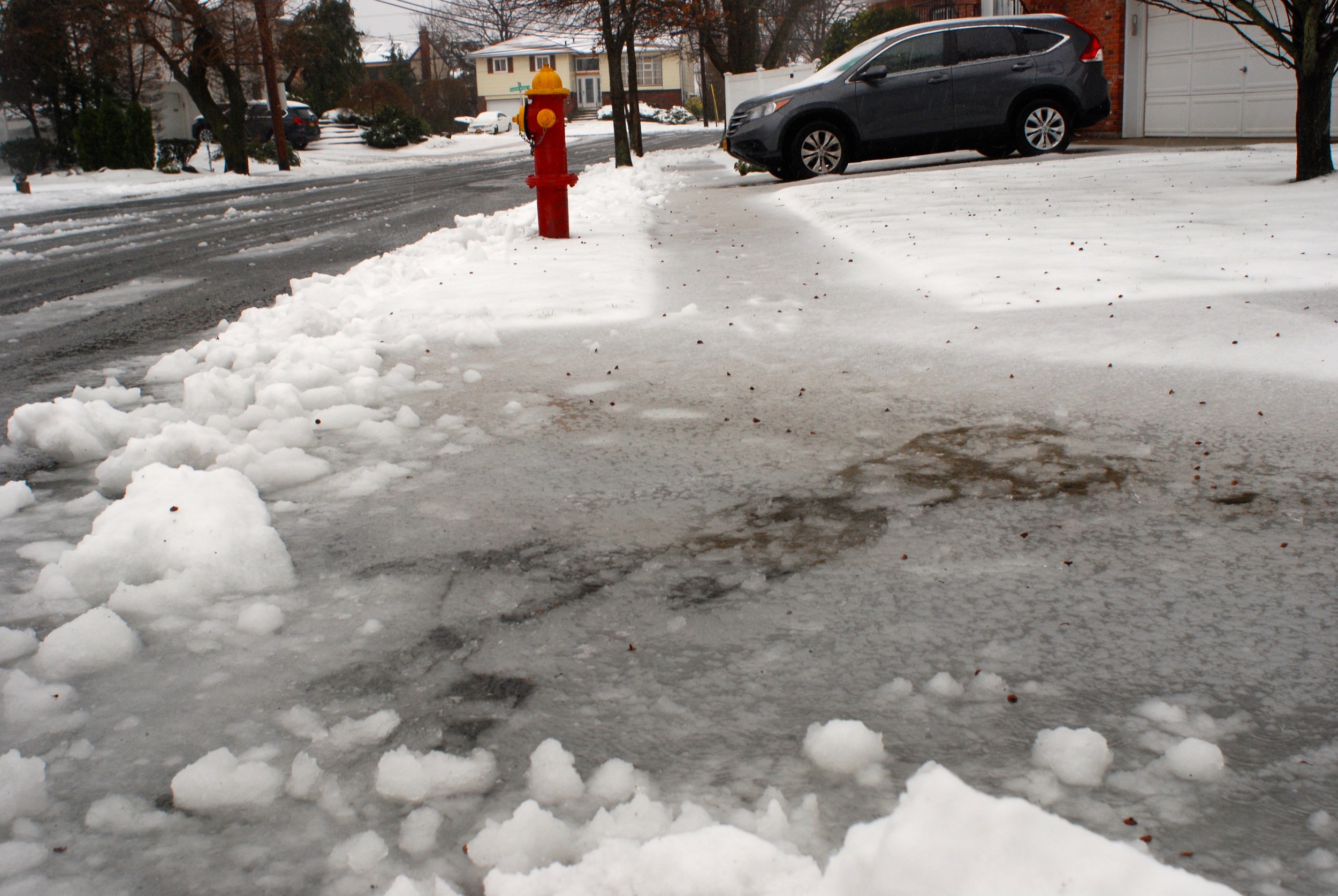
A blitz of wind chill and snow has barreled through Valley Stream these past few weeks. Such conditions can be especially vexing for firefighters when fire hydrants are buried in snow, making them notoriously tricky to access in a time-sensitive emergency. Clearing hydrants near your home isn’t just a courtesy—it can make a life-or-death difference in a fire. Valley Stream Fire Department media liaison Brian Grogan explains why keeping hydrants clear is crucial and what you can do to help:
During a fire, firefighters rely on quick access to water. If a hydrant is buried under snow, crews must spend valuable time digging it out before attaching their hoses. “Having to take the time to shovel out a hydrant will delay getting water out of the hydrant,” Grogan says. “Depending on the amount of snow and/or ice, it could seriously delay.”
This delay can be deadly. According to the National Fire Protection Association, a home fire can become life-threatening in as little as two minutes, and a residence can be fully engulfed in five minutes. If firefighters must spend extra time locating and clearing a hydrant, that can mean the difference between saving or losing a home—or a life.
Many people assume fire trucks carry all the water they need to fight a fire, but that’s not the case. “The fire engines only carry 500 gallons of water,” Grogan explains. While this may be enough for an initial attack, firefighters quickly need more water to control and extinguish the flames. “They need the additional water from the hydrant,” Grogan adds.
To put this in perspective, the average fire hose flows at a rate of about 150 gallons per minute, according to the U.S. Fire Administration. That means a fire engine’s 500-gallon supply could run out in just over three minutes. If the hydrant isn’t accessible, firefighters could run out of water before they can contain the flames, allowing the fire to spread unchecked.
Residents can play a vital role in fire safety by clearing a three-foot radius around hydrants after a snowfall. The American Red Cross recommends keeping the area around hydrants free of snow and ice to allow firefighters quick access (Red Cross). The best time to clear hydrants is right after shoveling your driveway, when the snow is still loose and easy to move.
If you spot a hydrant that remains buried, consider notifying your local fire department or neighbors who might be able to help. Some fire departments even have “Adopt-a-Hydrant” programs where residents volunteer to keep hydrants near their homes clear throughout the winter.
If you see a buried hydrant, residents noted Grogan can call the village park’s department at (516) 825 - 4121.


