
Thursday, October 22, 2026
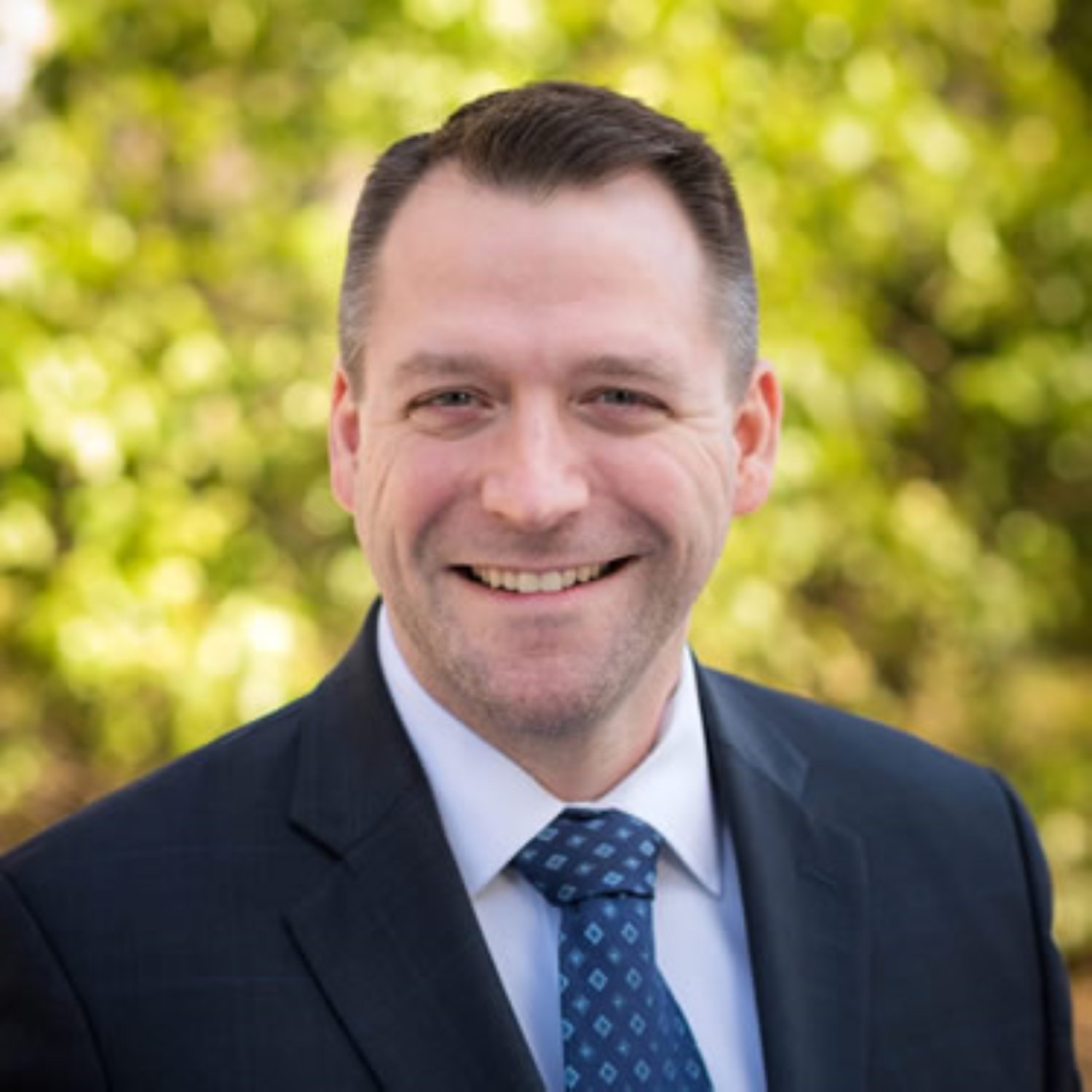
When I spoke to graduates last year, I focused on the lessons from my generation, the generation of our teachers, administrators and parents — Generation X — and what students could learn from us.
To be honest, I’m a little obsessed with the 1980s — a much better time, I’ve often told our students, and my own children. I’ve lauded the calmness of the period, the simplicity, the play outdoors. Over the past two years, in fact, we’ve focused on the book “The Anxious Generation,” whose subject is Generation Z, and how much more time its members spend on their phones and other devices than previous generations.
This year, however, I turned off the ’80s music, acknowledged that sometimes we idealize the past, and took a lens more appreciative of our Gen Z graduates. I mean, the ’80s weren’t perfect. There was that whole Cold War thing.
Moreover, Generation Z is aptly prepared for the world ahead, and can teach us aged Gen-Xers a lot about how to move forward.
As members of Gen Z, our graduates are tech-savvy problem solvers; adaptable and flexible; purpose-driven; inclusive and open-minded; and innovative and creative. They faced a tougher, more competitive and more technological high school world than Gen-Xers. In addition to college admissions, they needed to navigate pandemic learning, tackle emerging technologies like AI, and survive a stressful high school experience.
While I believe that schools need to update our programming and approaches to prepare students for a rapidly changing world and work environment, it is clear that Gen-Z students have so many of the skills they need because of what they have lived through.
It’s okay not to always feel it or think this way, but often the tension will be resolved with this mindset.
In fact, a recent Cornell University study suggested that at least 85 percent of what we worry about doesn’t come to pass.
The author Eckhart Tolle once stated, “Acknowledging the good that you already have in your life is the foundation for all abundance.” Start today by thanking your teachers and your parents for the guidance, time, advice and patient understanding they gave you for many years.
You should appreciate who you are and should stay tuned in to your talents, strengths and passions. A good portion of your education helped you grow and learn in areas that aren’t natural areas of talent or interest. While it’s important to grow where you don’t automatically excel, it’s also important to discover your gifts and to leverage them. Many if not all of us need the approval of others, but the greatest richness in life is when you find true love and accept yourself.
Don’t just be resilient, be “prosilient,” and be prepared for situations to go off course. There is always a time to move on after mistakes, failures or problems.
You’ve probably heard the expression after a disappointing situation that “Everything happens for a reason.” I know that it’s an overused phrase that’s often hard to believe, but the older I get, the more I realize that if everything happens for a reason, sometimes we need to create and construct that reason ourselves. Please don’t misunderstand this advice as the simple acceptance of bad events, problems or wrongdoing, but rather, a charge to take control over circumstances by learning the lessons that adversity can teach, and using that newfound knowledge to help yourself and stand up for others.
Success stories are posted without the full story of the journeys that led to the achievements. It may seem that people are just born successful, and that can be discouraging, but achievement is the result of a process or system of consistent but small steps. It’s often the boring, consistent work that makes the biggest changes.
I congratulate the class of 2025 at all high schools for a job well done.
Christopher Zublionis, Ed.D, is superintendent of the North Shore School District.


