
Thursday, October 22, 2026

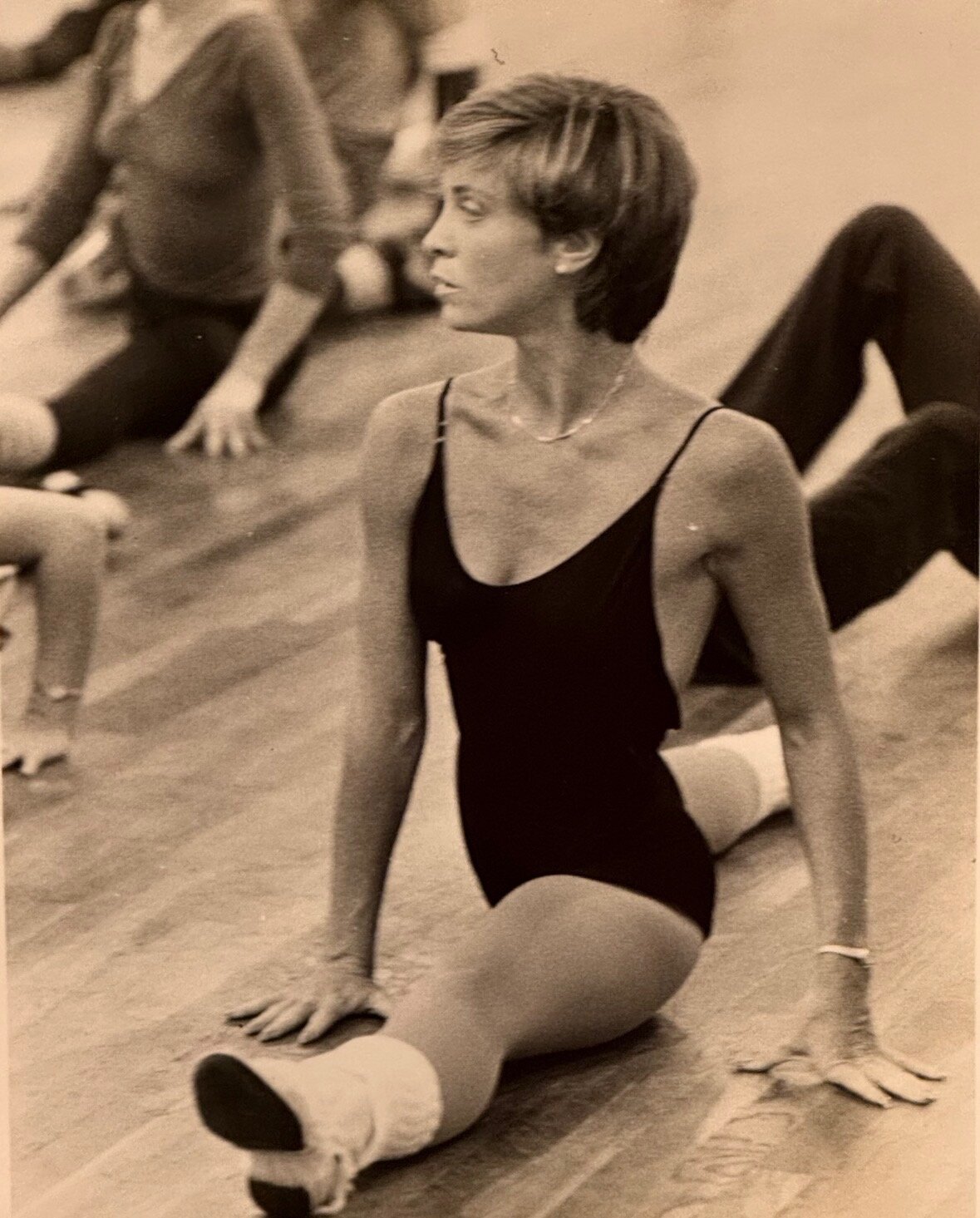


When Donna Schaeffer, nee Hardgrove, signed a lease for a small storefront on Merrick Avenue in 1977, she could not have imagined that nearly five decades later, thousands of dancers would pass through its doors and generations of families would call it a second home.
Today, Donna Carbone’s Dance Arts stands as one of Merrick’s longest-running arts institutions, preparing to celebrate its 50th season next year, while remaining in the very same location where it began.
“Dance Arts opened in September of ’77; our first recital was on June 16, 1978,” Donna said. “All these years, same location.”
The studio’s roots stretch back even further, to Donna's own childhood love of dance.
“I used to watch Fred Astaire on TV as a five-year-old,” she recalled. “I’d say, ‘Mommy, I want to dance, I want to dance.’ She sent me for dance lessons when I was in first grade.”
Dance quickly became more than a hobby. After her parents divorced, Donna's family could no longer afford lessons. Her talent and determination, however, kept her involved. At 14 she became a teacher in the studio where she trained, and she spent years helping build its program.
After 25 years, she decided it was time to create something of her own.
“I had been teaching most of the school,” Donna said. “I knew it was time to break out and do it on my own.”
With the help of one student’s parent, who became her initial business partner, Donna opened Dance Arts in Merrick, transforming what had once been a clothing store into a dance studio.
From the beginning, she envisioned a different kind of dance school.
One of her strongest memories from her own dance training was an impression that recitals felt more like an obligation for families to attend rather than entertainment. She remembered fathers attending reluctantly and instructors directing children from the front of the stage during performances.
“The show should be all about the kids,” Donna said, recalling how much her father disliked having to sit through her own recitals as a child. That philosophy shaped every recital she would later produce.
Rather than presenting one dance after another, Donna built elaborate themed productions complete with stories, acting segments and seamless transitions.
“I never wanted people staring at an empty stage,” she said. “If somebody has three minutes to change costumes, I’m going to entertain you for those three minutes.”
Her formula resonated with families. During the studio’s peak years, Dance Arts became a community fixture. Long before online registration, parents lined up outside the building to secure spots for their children.
“The line would go from my front door around the corner and up Oakwood Avenue,” she said. “People would camp out. I’d drive up and there were people with beach chairs and radios and coffee.”
At times, enrollment exceeded 700 students in a single year, all operating out of one small studio room before later expansions created a larger studio space.
“There were far fewer dance schools around at that time,” Carbone said. “My classes closed at 22 or 24 students, and I would still have waiting lists.”
As the studio grew, so did its influence.
Numerous students pursued professional careers after training at Dance Arts. Among the most notable is dancer and choreographer Jodi Melnick, who went on to perform with acclaimed artists including Mikhail Baryshnikov and Twyla Tharp.
Other alumni have appeared on Broadway, performed at Disney, danced aboard cruise ships and opened studios of their own.
Yet ‘Miss Donna,’ as she is affectionately known, measures success differently.
“My goal 1,000 percent was to be a good, educational school,” she said. “I want my teachers to teach proper technique, which results in better dancers.”
That educational focus also led her away from the competitive dance circuit, which grew increasingly popular in later decades.
“Education is paramount for me,” Donna said. “It also has to be fun because not everybody that walks through your doors aspires to become a professional dancer.”
As dance trends evolved from traditional tap, ballet and jazz to hip-hop and contemporary styles, Donna remained committed to staying current. She studied extensively in New York City under renowned instructors and continually brought new techniques back to Long Island.
“What makes my business successful is my access to what’s current and what’s happening in the dance world,” she said. “Because I’m so close to the city, I bring it back to my kids.”
The dance world may have changed dramatically since the 1970s, but the studio continues to thrive through a culture of loyalty and family connection.
Today, second- and third-generation dancers fill classes. Some students now perform in advanced kickline groups once occupied by their mothers.
“There are kids on senior kickline now whose moms were on senior kickline,” she said.
Looking back on nearly half a century, Donna remains grateful for a career built around her passion and gift.
“I am so lucky that I get to go to work at the studio,” she said. “Every time I go there, it’s my happy place.”
As Dance Arts approaches its milestone 50th season, the studio’s history is measured not only in recitals and trophies, but in generations of dancers whose lives were shaped by a woman who simply wanted to create a dance school her own way.


