Thursday, October 22, 2026
Late at night — over a month past deadline and under the cover of darkness — New York State’s FY 2026 budget was finally passed. What should have been a transparent and collaborative process became a case study in broken promises, misplaced priorities, and out-of-control spending.
The final price tag? More than $254 billion. That’s an increase of over $10 billion compared to last year and a nearly 50 percent jump since 2018, when Democrats assumed full control of state government.
Has the average New Yorker’s paycheck gone up 50 percent since 2018? Are our roads, schools, or public services 50 percent better? Are potholes being filled 50 percent faster? Didn’t think so.
Despite the governor’s spin, there’s no such thing as “savings” when spending explodes and working families keep fleeing the state in droves. And while she once promised her administration would usher in “a new era of transparency,” we haven’t seen a shred of it. In fact, the budget process was anything but transparent. Not a single joint bipartisan budget subcommittee met before the final deal was hammered out behind closed doors. The governor’s idea of openness seems to involve backroom deals, last-minute language changes, and legislative votes in the middle of the night — so much for the “new era.” One of her own party members even described her approach as “nothing short of authoritarian.” That should concern every New Yorker who believes in good government.
Despite the dysfunction, there were a few bright spots worth acknowledging. One major win was securing increased CHIPS funding, which supports critical repairs to local roads. The budget also included improvements to involuntary commitment standards for individuals with serious mental illness, helping protect both those in crisis and the public. There was modest relief for families through an expansion of the Child Tax Credit and a reduction in the middle-class income tax rate, both of which are longtime Republican priorities aimed at easing the financial burden on working families. The Legislature also pushed back an unrealistic $20 billion electric school bus mandate, giving schools four more years to comply. And in a much-needed victory for students, the budget funded free school meals statewide — because no child should be expected to learn on an empty stomach.
These wins, however, are overshadowed by a series of costly and disappointing missteps. At the top of the list is a $1.4 billion MTA payroll tax hike — a direct tax on jobs — that hits small businesses already struggling to survive. That’s in addition to congestion pricing, another regressive measure that punishes commuters without improving infrastructure. The long-awaited “reforms” to the state’s disastrous discovery laws fell flat. Even Suffolk County’s district attorney admitted they fail to deliver meaningful relief to prosecutors or crime victims. The so-called “mask reform” is equally troubling, effectively incentivizing criminals to hide their identities. There was also a glaring lack of action on the rising epidemic of hate crimes and antisemitism. And the much-hyped inflation relief checks? Quietly reduced to a fraction of what New Yorkers were led to expect.
Then there are the decisions that go beyond bad policy — they’re indefensible. Buried in the budget is a $10 million criminal defense slush fund allowing public employees to use taxpayer dollars to defend themselves for “unofficial duties.” You can’t make this stuff up. But perhaps the ugliest moment came after over two hours of intense debate, when the state greenlit a hostile takeover of Nassau University Medical Center. This blatant power grab strips local control from a vital community institution and throws its future into complete uncertainty.
At the end of the day, this budget doesn’t move New York forward — it entrenches a failing status quo of higher taxes, reckless spending, and fewer results for hardworking residents. But while the budget may be done, the legislative session is not. There are still opportunities to demand better, to fight for real reforms, and to restore transparency, accountability, and common sense in Albany.
New Yorkers deserve leadership that puts people before politics — and the fight for that kind of leadership continues every single day.
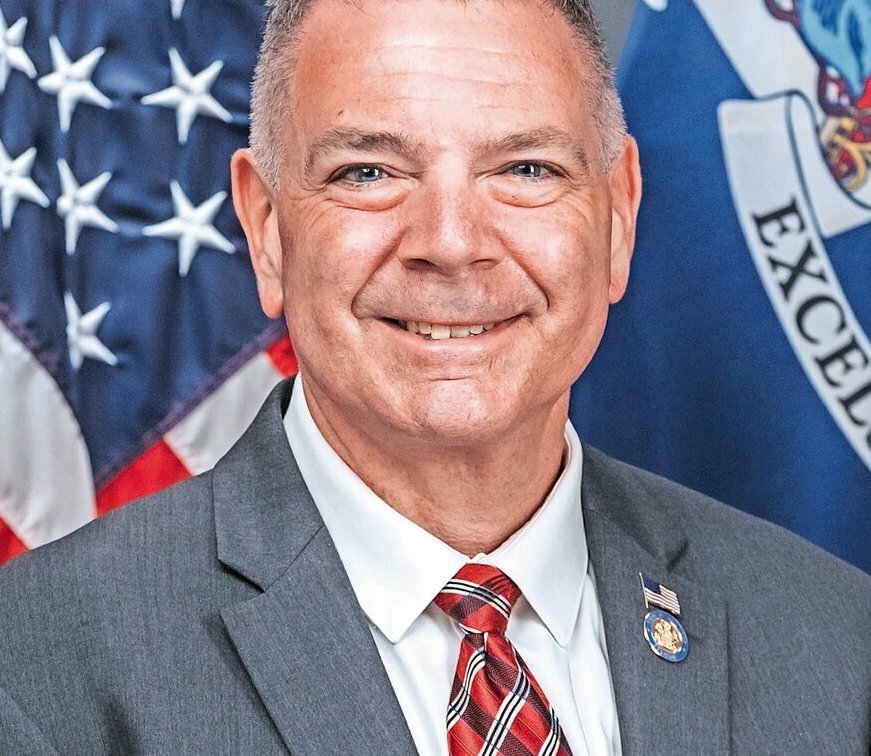
Steve Rhoads represents the 5th State Senate District.