
Thursday, October 22, 2026
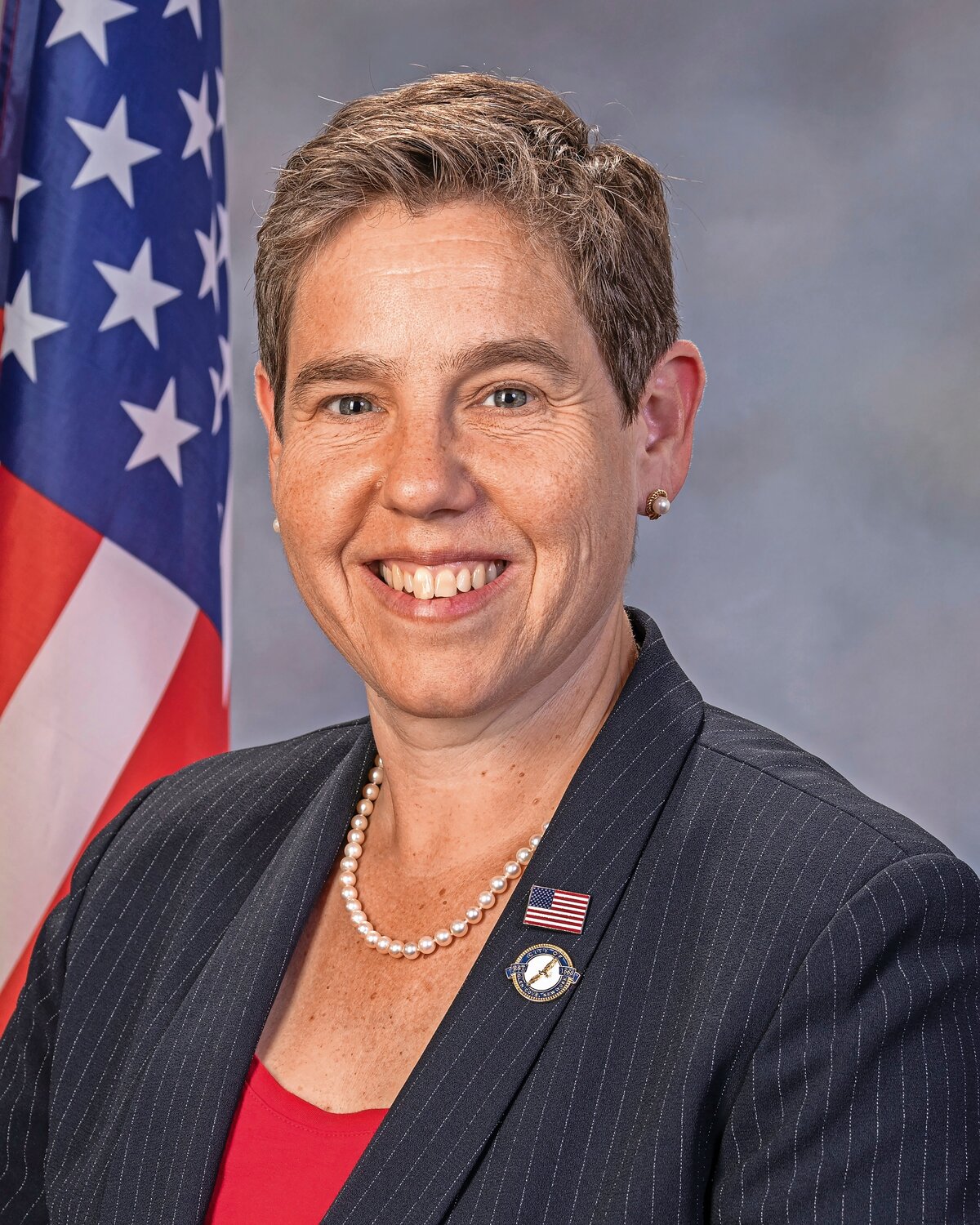
At the July 22 City Council meeting, I voted against a tax measure proposed by Mayor Pamela Panzenbeck that will increase property taxes for Glen Covers. The mayor and the council members who passed the legislation argued that they are generating “recurring revenue” for the city’s general fund. They neglected to mention, however, that the money will be added to the general fund at the expense of taxpayers.
The new tax action will result in the city directly collecting sales tax, bypassing Nassau County and thereby eliminating the county property tax rebate. So county property taxes will rise, taking money out of the pockets of property owners and putting it into the coffers of the Glen Cove administration, which will decide how to use it.
As the Herald recently reported, this legislation was hidden from the public, discussed only in executive session rather than publicly, thus lacking transparency. Despite the efforts of council member Danielle Fugazy-Scagliola, and my own, to table the resolution due to inadequate information and time to review, the measure was pushed through and passed by the Republican majority.
In my view, it’s evident that the current administration seeks to control sales tax revenue so funds can be diverted in order to plug anticipated gaps in the 2026 city budget driven by lower-than-expected payments in lieu of taxes.
Over the past few years, the city and then Glen Cove School District have received no revenue from the Garvies Point Waterfront development. While the developer RXR is paying what it is contractually obligated to pay, according to the Master Tax Agreement between it and the city, the MTA was not a fair deal for city taxpayers and residents. It was poorly negotiated by the mayor at the time, leaving the city in an economically untenable position.
RXR was originally obligated to pay for all public amenities. According to the terms of the negotiated agreement, a Glen Cove agency, GCLEAC, would issue bonds for over $200 million to pay for those amenities. The mayor said there was no recourse for the city to pay the bonds back. Rather, the repayment of the bonds to the bondholders would be covered by PILOT payments from RXR.
A 40-year PILOT payment schedule was laid out. The payments would be allocated by hierarchy: payment to bondholders first, and then the taxing jurisdictions of the city, the school district, the county and the city library. The problem for the city is that the payment schedule was based on completion of all buildings — but there was no time requirement by which all buildings needed to be completed.
To date, roughly half of the apartments have been built, so the payment due is based on that portion. The current PILOT payment only covers payments to the top of the hierarchy, the bondholders. The city, school district, county and library are not currently receiving any money from the waterfront development. Yet services must be provided by the city, which means that taxpayers are on the hook to provide those services. Taxpayers are subsidizing the Garvies Point buildings.
For many years I have been vocal with my concerns about the city Industrial Development Agency’s practice of granting payments in lieu of taxes — agreements offering partial tax relief in exchange for economic development. While PILOTs may seem appealing on the surface, when they are not carefully managed, we risk subsidizing private interests at the expense of the public budget and overall equity. Without the proper oversight, contract drafting and negotiation of these PILOTS can have a devastating economic impact on a community for years.
This is exactly what is happening with Garvies Point. I will continue to push for fiscal responsibility, equitable treatment and transparency to ensure Glen Cove residents get the services they deserve without subsidizing development.
Marsha Silverman is a member of the Glen Cove City Council.


