
Thursday, October 22, 2026
At the Suffolk County Water Authority, we often talk about innovation. We are always thinking about what’s next, what’s changing, and how we can stay ahead. But our recent leadership training session reminded me that the future isn’t just built on new ideas. It’s built on understanding how those ideas connect to what came before.
The session focused on communication between generations in the workplace — how we can bridge differences in experience, style and expectations to build something stronger together. That’s not a theoretical exercise for us. SCWA is an organization where many people have spent their entire careers, something that feels increasingly rare these days. We have employees who have been here 30, 35 or even more than 40 years. That kind of institutional knowledge is rare and invaluable.
When someone understands not just how a process works, but why it exists, because they were there when it was created, that provides insight you can’t teach. No matter how detailed your documentation or standard operating procedures, nothing replaces hearing the story directly from someone who lived it.
Too often in organizations, practices are passed down without anyone questioning their origins. “This is how we’ve always done it” can quietly become the default explanation for everything. But unquestioned tradition has its pitfalls. Inertia is a powerful force, and if left unchecked it can slow progress or stifle innovation.
That’s why it’s equally important to bring in a new generation of thinkers and leaders. Most people who have been in the workforce for a while have had that experience — someone new joins the team, full of energy and ideas, eager to change everything. It’s easy to dismiss them as naive or impatient. But in my experience, those fresh perspectives often lead to the best ideas. They ask the questions others stopped asking long ago.
Balancing experienced, seasoned thinking with fresh perspectives is one of the keys to a successful organization, and I’m proud to say that under my leadership, SCWA’s management team has just that type of blend. That’s not an accident; it’s the result of intentional planning to ensure that our organization continues to evolve. The result has been a rethinking and reshaping of how we operate, from how we serve our customers to how we plan for the future.
In 2023 we adopted a new strategic plan — a roadmap for where we want to take SCWA in the years ahead. It’s ambitious, and intentionally so. We’re well on our way to meeting many of the goals we set, keeping us ahead of the curve in the water industry. We’re redefining what it means to be a water provider in the 21st century.
For too long, water utilities have measured success by meeting minimum legal standards. We’ve moved beyond that. We’re pushing ourselves to respond to what our customers truly want: more transparency, more access to information, higher water quality that goes above and beyond the required levels, and customer service that empowers rather than frustrates.
Much of that drive comes from the mindset of this newest generation — people who grew up in a digital-first world and expect companies to do more than check boxes. They want to see organizations stand for something and adapt quickly to new challenges. That perspective is helping to shape SCWA’s next chapter.
Of course, a multigenerational workplace brings challenges. Communication styles differ. Expectations differ. The more formal practices of the baby-boom generation have given way to the faster, more dynamic work styles of millennials and Gen Z. The annual performance review is being replaced by ongoing feedback. The formal memo has given way to instant communication. And yes, sometimes that meeting really could have been an email.
But there’s wisdom in structure, too. The older generation’s approach — clear processes, thoughtful documentation and an emphasis on cohesion — provides the foundation that keeps a complex organization like ours running smoothly. The truth is, neither side has all the answers. The best organizations are those that learn to listen, adapt and balance the strengths of both.
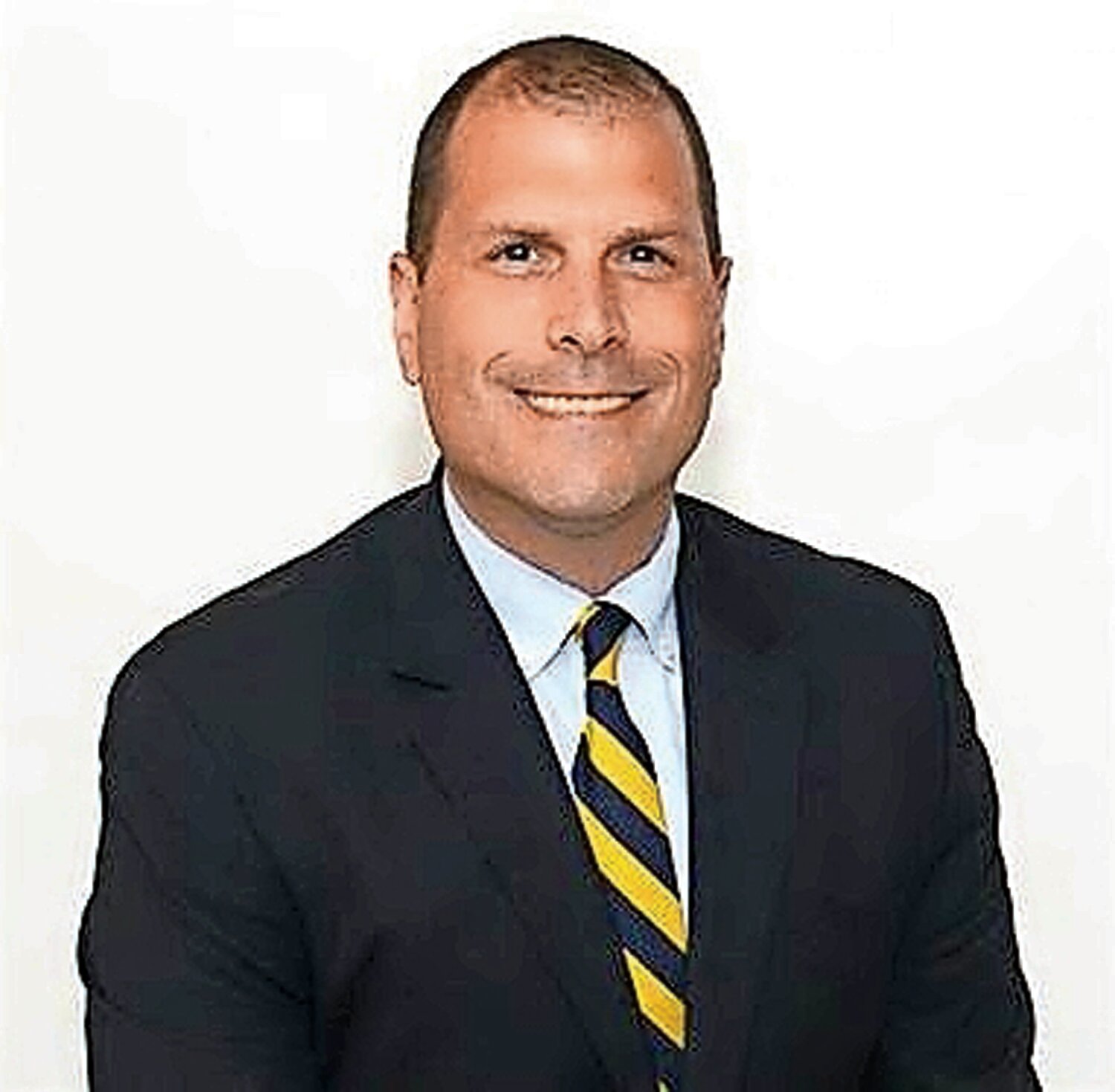
Jeff Szabo is chief executive officer of the Suffolk County Water Authority.


