
Thursday, October 22, 2026
In Valley Stream UFSD 13, we believe that all children can learn at the highest levels; that teaching and learning should be differentiated and child-centered; that social and emotional learning is critical to the learning process; that we should have challenging learning experiences for all educators and children; that children learn best by constructing a new understanding of their relationships to the world around them; and that they should become lifelong learners and well prepared for post-secondary life experiences.
Every child is unique, with a wide range of abilities and interests.
Schools don’t use a one-size-fits-all approach to supporting students. While academic achievement is essential, many families value schools that recognize and nurture diverse talents such as athleticism, artistry, musicality and empathy. A child’s journey through education is shaped by their individual, whether through physical health, emotional stability, or interpersonal strengths, and fostering these qualities is an essential part of school success.
As educators, parents, and community members, we are all deeply invested in the success of our children. Over the past two decades, education policy has too often been dominated by the pressure to raise standardized test scores, a legacy of the No Child Left Behind Act. Data can offer valuable snapshots of student progress, and can measure the effectiveness of instructional programs. But for students, it represents a single moment in a child’s multifaceted educational journey. Relying solely on raw achievement data can risk obscuring the true breadth of each student’s abilities and aspirations.
A whole child approach urges us to consider the full spectrum of our students’ strengths, needs and ambitions. Rather than reducing young learners to a series of scores or benchmarks, this philosophy recognizes that abilities emerge in many varied ways: through creativity, athleticism, perseverance, curiosity and compassion, just to list a few. Research recently demonstrates that a holistic assessment model, one that integrates social, emotional, physical and intellectual development, not only leads to greater academic achievement but also prepares children to thrive in life beyond the classroom. So how should we measure outcomes for students after graduation?
A study by the Collaborative for Academic, Social and Emotional Learning demonstrated that students with strong SEL skills are more likely to graduate from high school, attend college and secure stable employment. Data from the Economic Policy Institute shows that non-cognitive skills, such as perseverance and collaboration, account for 25 percent of career success.
Want to reduce stress and anxiety in our children? Research from the Harvard Graduate School of Education highlights that integrating creativity and curiosity into education reduces stress and enhances a child’s sense of belonging. The CDC reports that students in schools with robust physical education and wellness programs are 50 percent less likely to suffer from anxiety and depression.
Worried about chronic absenteeism? Schools that use a whole child approach often report reduced rates of chronic absenteeism, suspended students, and absenteeism is seen as a symptom, not a diagnosis.
Our schools are vibrant ecosystems, rich in opportunity and diversity. From the push for STEAM (science, technology, engineering, arts, and math) projects, to STEM initiatives, special education, club recreation programs, or hands-on wellness, develop new skills and grow into well-rounded individuals, all while developing necessary foundational skills in literacy and math. These programs cultivate the confidence and resilience needed to achieve personal success, as each child may define it.
As superintendent of schools, my decision-making skills point me in the direction of always determining what the right choice is for students. However, what I’ve learned over my career in education is that there is more than one right way to provide for the best interests of our students; it is never only one thing or the other. As a result of the excellent work of the NYS Blue Ribbon Commission on Graduation Measures, NY students will soon have the opportunity to demonstrate competencies that reflect more fully the learning outcomes prior to graduation. The NYS Portrait of a Graduate urges schools to understand the importance of these research-based outcomes.
As this transition occurs over the next several years, it becomes more vital that we honor the unique force and needs of each student. Let’s embrace success across a wider spectrum of learning outcomes and prepare young learners for the world they are entering. That future depends on recognizing the whole child. The whole child approach is our surest path to yielding greater equity in education.
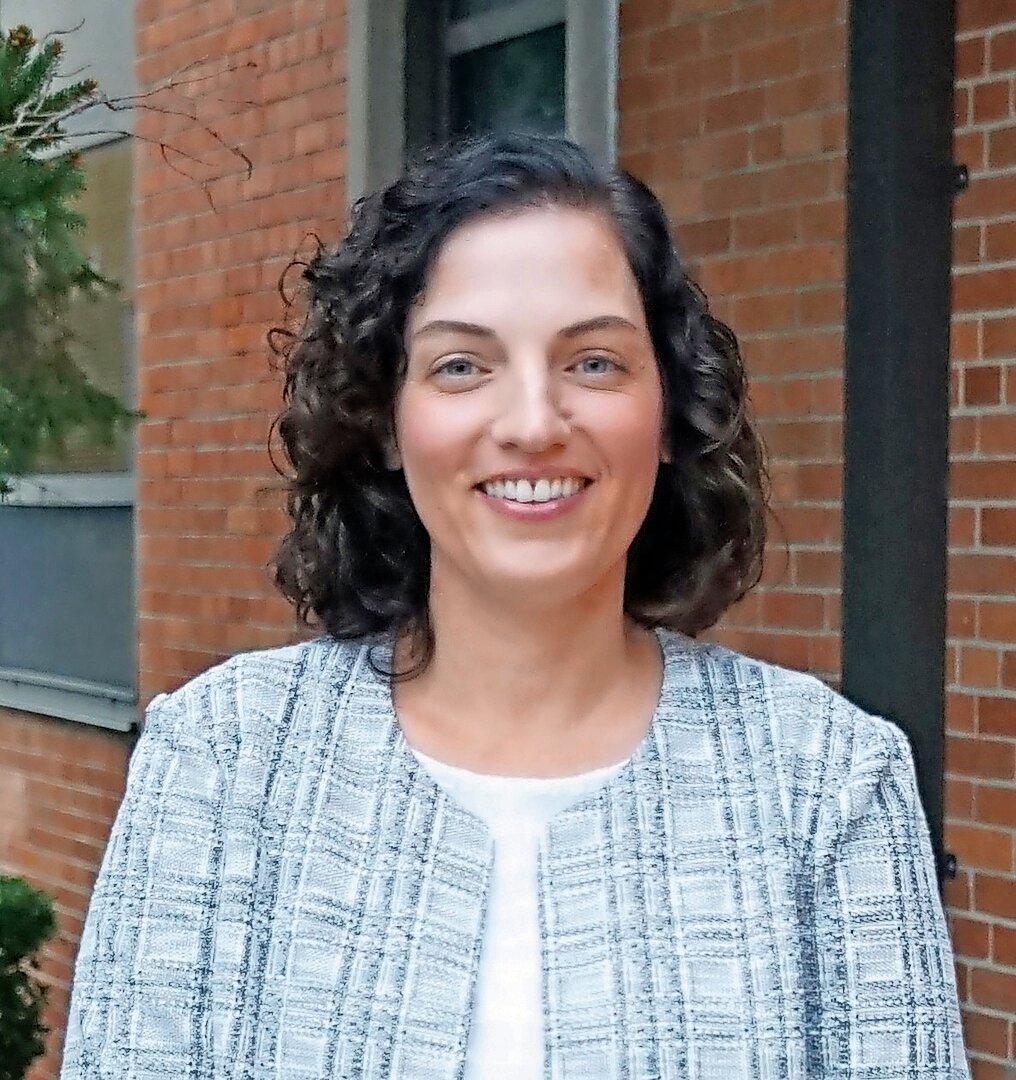
Judith A. LaRocca, Ed.D., is superintendent of Valley Stream UFSD 13.


