
Thursday, October 22, 2026
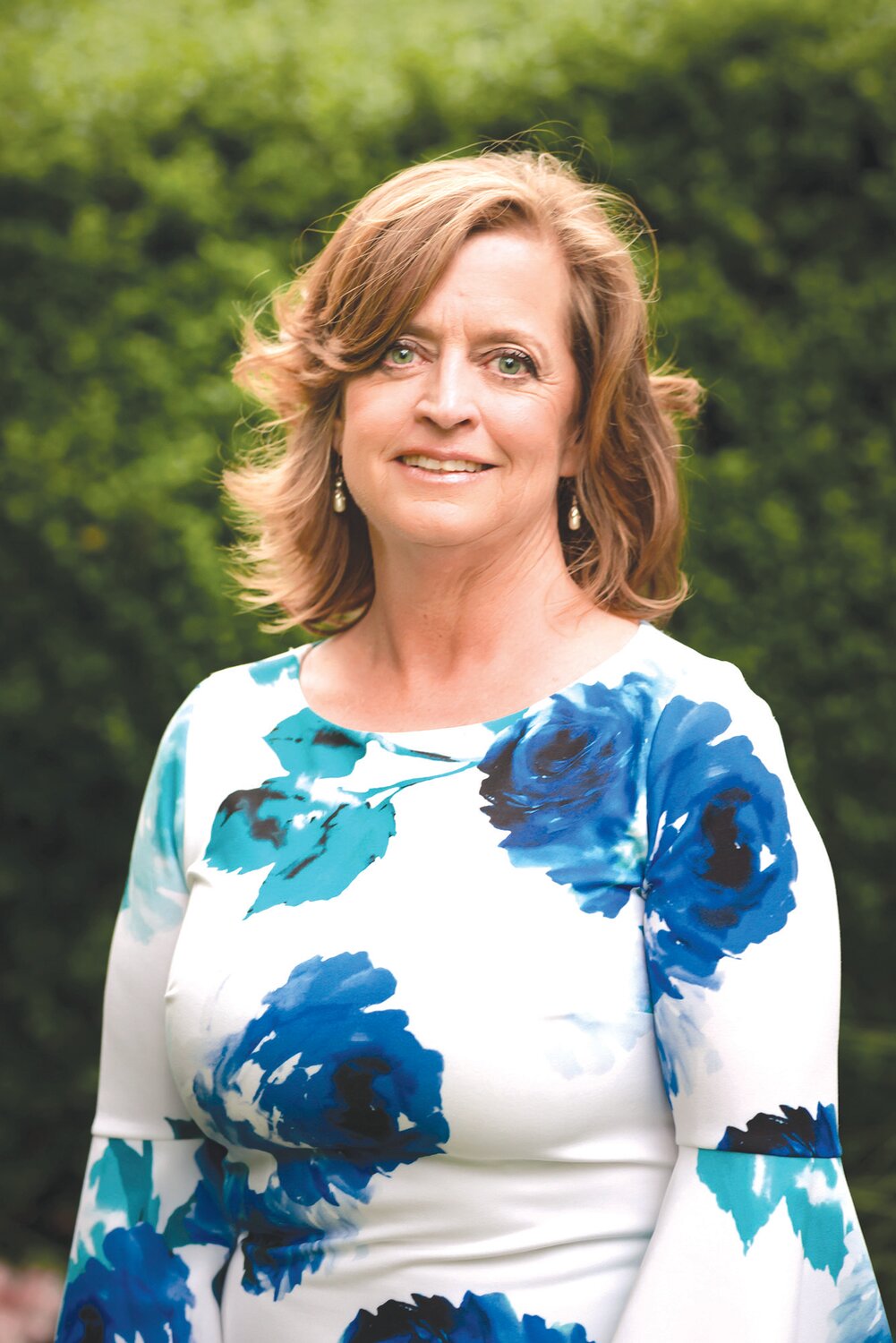
When I was elected, I accepted the responsibility of acting as a liaison between the constituency of Assembly District 21 and Albany, especially when it comes to how the state spends your money.
To be an effective legislator, it’s important to remain transparent about how these processes affect our communities, and to communicate the priorities of our district and Nassau County. My goal has always been to address constituents’ needs through legislation, advocacy and the highly complex annual state budget process. It begins in January, when the governor releases the Executive Budget, a baseline spending plan that identifies all funding sources for the following year, starting a vigorous negotiation period.
Legislators discuss issues with a variety of state agency leaders, advocates and stakeholders in budget hearings that are necessary in order to gather information on how we can enhance the governor’s proposals. Afterward, the State Senate and Assembly respond by outlining resolutions, so-called “one-house budgets.” Though not legislatively binding, they guide the governor, the Assembly speaker and the Senate majority leader in their negotiations.
This year, some substantive issues continue to delay a final agreement, due to the considerable volume of policy involved. I welcome and share the correspondence I receive from constituents and the members of countless district and statewide organizations like local municipalities, law enforcement agencies, school districts, students, libraries, health care workers, labor unions and district attorneys.
Above all else, it’s clear that rising costs, often attributable to current events beyond the state’s jurisdiction that affect the entire country, are making it impossible for average middle-class families, young adults and senior citizens to thrive. Nevertheless, I work continuously with my colleagues to lighten people’s financial burden and deliver relief. Increased school funding, enhanced municipal aid and expanded funding for road maintenance help minimize local property taxes, while supporting our suburban quality of life.
Here are the major issues in our budget negotiations:
School funding. I’m committed to ensuring that our schools receive equitable increases in foundation aid. Fully funding this aid enables schools to give students a robust education. It’s also necessary to halt the mandated transition to electric school buses on an unrealistic timeline to avoid additional tax burdens on residents, while allowing time to phase in pragmatic and attainable environmental improvements.
Rising utility rates. Current events have resulted in rising gasoline prices and utility costs. I support proposals that will provide immediate relief and ensure that ratepayers see actual reductions in their utility expenses, instead of convoluted promises that don’t deliver.
Addressing health care discrepancies and supporting aging populations. Access to quality, affordable health care is becoming less attainable for many in our communities, which results in increased costs for health insurance, hospital services, prescription medication and nursing facilities. I support increased aid to these health care providers.
Reducing the escalating cost of auto insurance. Supporters of the governor’s auto insurance reforms have identified litigation abuse and fraudulent claims as key factors in skyrocketing rates. While I support measures that prosecute fraud, it is essential that seriously injured people are compensated.
Fixing Tier 6. There are many union households in A.D. 21 calling for equitable changes in public-employee pension programs. I agree with many proposals, but the cost for taxpayers must be considered, since these measures will impact state, municipal and school district budgets. Our public workforce is crucial, and our communities value our police, firefighters, teachers and other public servants.
Potential climate law revisions. When the ambitious Climate Leadership and Community Protection Act was enacted in 2019,we weren’t experiencing an affordability crisis coupled with supply-chain issues. The business sector maintains that these regulatory deadlines need to be re-examined to prioritize regional economic stability, while environmental advocates claim that any revision will increase energy costs and negatively impact the environment. Any changes to our climate laws must be both environmentally sound and fiscally responsible.
Modernizing the State Environmental Quality Review Act. It’s key to strike a balance between the need to increase the housing supply and provide jobs, resulting in economic vitality, and protecting the environment, promoting sustainable growth and ensuring that buildings don’t overload existing water infrastructure.
As we enter the final stage of this process, I’m fighting for a responsible budget that reflects the priorities of A.D. 21. Thank you to those who have shared your opinions with me, so that I can make sure your voice is heard in Albany.
Judy Griffin represents the 21st Assembly District.


