
Wednesday, October 14, 2026
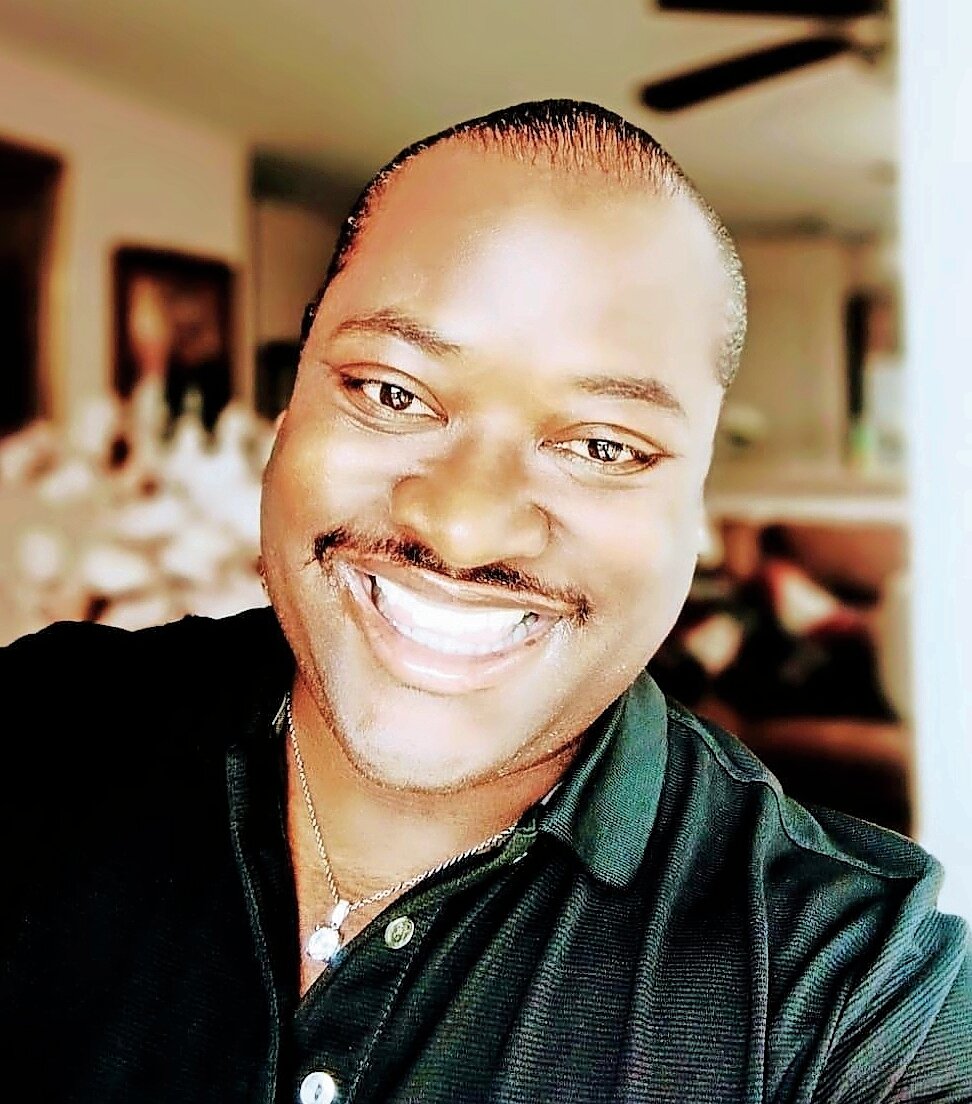
When Kevin Byrd was just 19, the course of his life shifted forever. As a junior at Long Island University in Brooklyn, Byrd’s grandfather was diagnosed with prostate cancer. Around the same time, his best friend Blossom Brown’s grandfather received the same diagnosis. Both men later died of the disease.
That loss, and the prayer that followed in a college study hall, became the spark that ignited a decades-long journey.
“We said, ‘Let’s do something,’” Byrd recalled. “So we wrote a movie.”
The short film, The Last Days, told the story of a young man hiding his cancer diagnosis from family and friends. When it premiered at Spike Lee’s screening room at Long Island University, the theater sold out. The film caught attention from national outlets, including Vibe, Essence, and King magazine.
“That little short film opened doors we never expected,” Byrd said.
Encouraged by the film’s reception, Byrd and Brown decided to do more than tell stories—they wanted to change outcomes. They partnered with the American Cancer Society, taking The Last Days on a tour that paired screenings with educational talks and brochures on early detection.
Byrd, an actor at heart, followed the film with a one-man stage show, Release. Debuting in 2005 at New York’s Nuyorican Poets Café, the play featured multiple characters of different ages confronting personal struggles—including one battling prostate cancer. The show toured widely, with proceeds and intermissions dedicated to raising awareness.
“Everywhere we went, it sold out,” Byrd said. “And we always had representatives there to talk about prevention and screening.”
By 2008, Byrd and Brown formally established the Brown Byrd Foundation, a nonprofit that has since grown from their living rooms to an office on Wall Street.
In 2009, Byrd launched what would become his signature initiative: International Prostate Cancer Awareness Observance Day, held annually on Feb. 2.
“It started small,” Byrd said. “We had maybe 35 cities and states that joined in. Today, it’s over 100.”
The observance encourages communities to wear blue ribbons, light candles, and remember those affected by prostate cancer. Landmarks such as Niagara Falls have been illuminated blue in recognition, and in 2025, One Times Square displayed Byrd and the foundation’s message for four consecutive nights.
“To see the billboard where the ball drops lit up with our work—that was history,” Byrd said.
Over the years, Byrd’s advocacy has reached unexpected places. The Brown Byrd Foundation has been honored by leaders from the Vatican to Buckingham Palace, and by both Democratic and Republican presidents. His hometown of Utica named a street “Brown Byrd Lane” in recognition of his work.
In 2021, the Oneida County History Center mounted an exhibit chronicling Byrd’s career as an actor, humanitarian, and health advocate. The collection has since been permanently archived.
This year, Chinese media featured the foundation in coverage reaching readers across mainland China, Hong Kong, and Taiwan.
“When you see your work resonate across the world—it’s humbling,” Byrd said.
Byrd credits his persistence to his Christian faith, which he said has guided him since childhood.
“Without faith and Jesus Christ, I wouldn’t be where I’m at today,” Byrd said. “Some doors only open because of the hand of God. I’ve always known I was touched at a young age, and my parents prayed over me. Everything I do goes back to God.”
Byrd’s advocacy extends beyond health awareness. Through longtime collaborator Phil Andrews, he became health chairman for the 100 Black Men of America and the Long Island African American Chamber of Commerce. He helped organize health fairs, screenings, and youth programs while leading a consortium of medical professionals.
“It’s about making the community stronger, healthier, and better for the next generation,” Byrd said.
Now 44, Byrd continues to balance his entertainment career with advocacy. This month, the Brown Byrd Foundation partnered with Mohawk Valley Health System and the Utica Phoenix to host a monthlong series of free screenings in his hometown.
Looking back, Byrd said he still remembers the prayer he and Brown made in their college study hall nearly 25 years ago.
“We started small, with faith and determination,” Byrd said. “To see how far it’s come—it’s been nothing but a blessing.”


