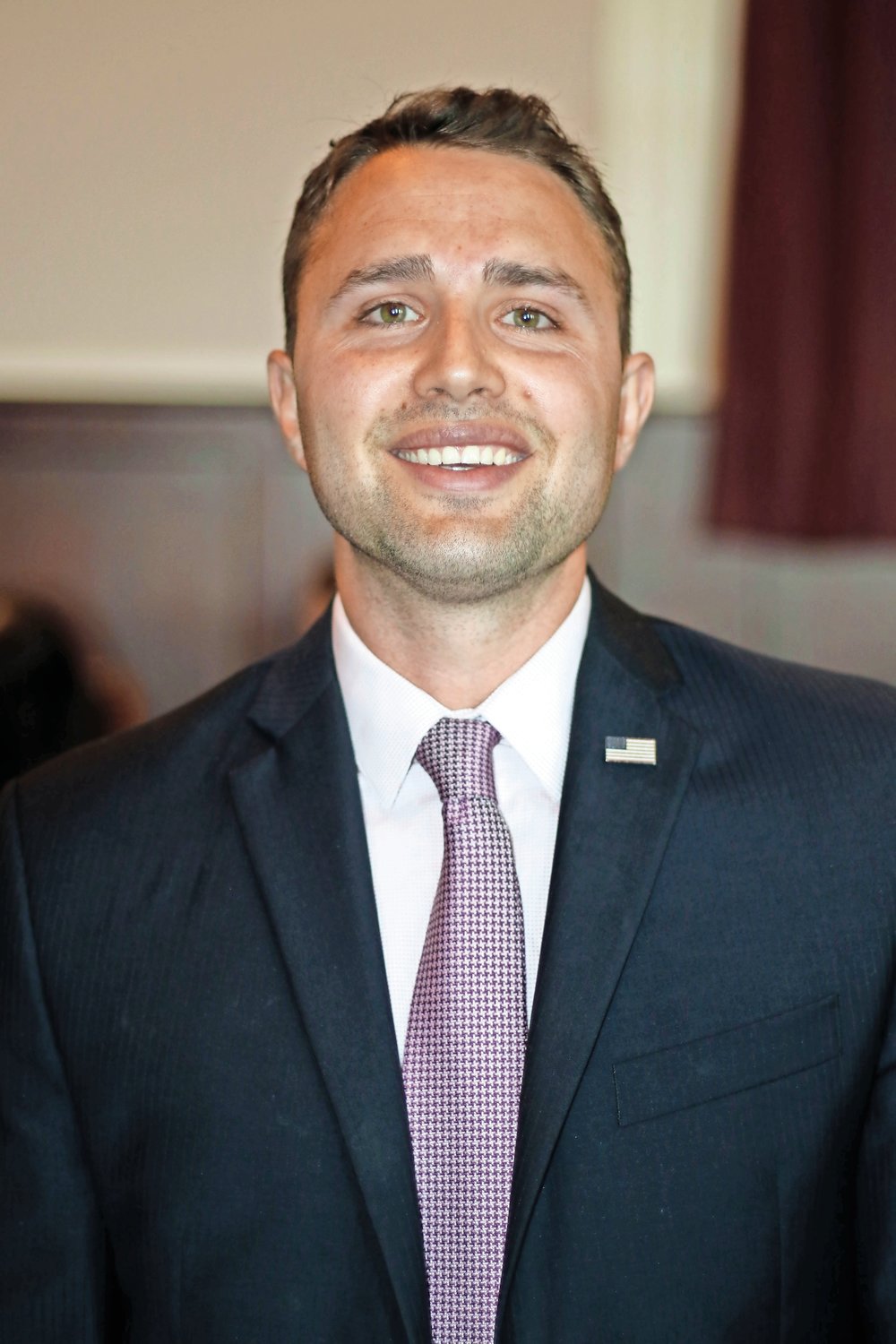
Sam Pinto is a Career Firefighter, Paramedic, Certified Fire and Life Safety Educator, Professional Continuity Practitioner and Incident Command System Instructor.
Courtesy Sam Pinto
By Sam Pinto
Hurricane Season started at the end of June and continues through November.
While we should always be vigilant about the hazards of inclement weather and storms, now is the time to double check that you are ready for severe hazardous weather.
For the expected impact of Isaias, I thought I was ready. I took the extra steps, took in or secured most of the objects around the outside of my home, but I still suffered storm related damage.
Trees across the street from me that survived Irene, Sandy and many other weather events were uprooted and came down onto neighboring homes, luckily not resulting in injuries.
All things considered, I believed we dodged a bullet with that storm. The brunt of the storm came early and quickly, and luckily its expected impacts didn’t occur at nighttime and in-line with the high tides. It could have been much worse. In the days afterwards we were then dealt with the failure of the equipment and infrastructure of the power company. Many incidents of down wires, poles, transformer fires and power outages caused havoc to our community.
Looking back, do you believe you planned appropriately or were as prepared as you could have been? While I always recommend proper planning, it’s good to realize that no plan survives first impact with the enemy, and especially with natural disasters, things don’t always go to plan. It is always best to use those new challenges as learning moments to help prepare against future hazards.
When dealing with these types of events, a lot hinges on risk reduction. If you can avoid or reduce your risk, you will hopefully have a lesser needed response and recovery.
For storm preparation there are two main strategies that are commonly employed; mitigation and preparedness. There are some similarities in the tactical choices of mitigation and preparedness, but there are key differences between the two.
Mitigation can be defined as a sustained action to reduce or eliminate the risk to people and property from hazards and their effects. Examples of mitigation include elevating into “FEMA” homes and building bulkheads to protect against flooding, installing a standby generator or solar with battery backup to protect against power outages, or simply purchasing insurance to help cover costs of storm damages.
Preparedness on the other hand, is a state of readiness to respond to a disaster or other type of imminent crisis or emergency. Examples are usually short term and occur soon before the expected impact of an event. This includes packing a go-bag in the event of a needed evacuation, putting sandbags out to protect against flooding, boarding up your windows and securing objects in your yard to protect against wind damage, and fueling up your car or backup generator in case you need them.
The weather during and after Isaias led us to widespread power outages. Vulnerabilities in equipment were exposed by the wind, salt contamination, and variations in atmospheric pressure. Many were more impacted by the power outages than by the actual storm event. But we need to be ready for both, and it all comes down to the concept of either reducing the risk and hazard, or planning to respond and recover from it.
So let’s continue to learn from past experiences, including the most recent. Think and act on what you could do to mitigate and prepare to reduce the impacts, and also how to respond. Maybe considering backup power sources is an appropriate action, or trimming back trees and branches that may come down in the next wind event.
Do you have an emergency plan? Is it current, and have you practiced it? These are all considerations as we enter into the heart of hurricane season. I know I will make adjustments to my plan, and hope you will too.
Sam Pinto is a Career Firefighter, Paramedic, Certified Fire and Life Safety Educator, Professional Continuity Practitioner and Incident Command System Instructor. He can be reached at SPinto@iaff287.org.



