Thursday, October 22, 2026
April is Autism Acceptance Month, a time for society to gain a better understanding of those with special needs. It appears, however, that Albany doesn’t understand them.
Every day across our state, physically and developmentally challenged, as well as elderly, New Yorkers rely on trusted family members or personal assistants to help them maintain their quality of life and access to necessary care. Hundreds of thousands of our Empire State neighbors rely on the state’s Consumer Directed Personal Assistance Program, known as CDPAP.
It has been a lifeline for upward of 280,000 New Yorkers reliant on daily care to remain independent. Sadly, because of changes initiated by Gov. Kathy Hochul — including a haphazard CDPAP overhaul rollout, complete with an unrealistic timeline — gaining access to this program has become a challenge, which will lead to people not having the support they have come to rely on.
CDPAP allows enrollees to hire their own aides, which gives them the flexibility and autonomy to manage their health care on their terms. Unlike traditional home care models, CDPAP allows participants to direct their care, hire family members or trusted individuals, and maintain control over their daily routines and schedule. The program has empowered New Yorkers with disabilities, and seniors, to preserve their dignity and receive care in their homes instead of nursing homes or residential group homes.
As the father of an adult son with profound autism, I am acutely aware of the importance of CDPAP, and am particularly sensitive to the negative changes that Hochul is foisting on enrollees in the name of “streamlining” the system and cutting costs.
In pursuit of cost-cutting, Hochul recently enacted sweeping changes to CDPAP that risk undermining the program’s accessibility and quality — particularly the consolidation of over 600 CDPAP fiscal intermediaries into a single provider, Public Partnerships LLC. CDPAP fiscal intermediaries are organizations that have contracts with the government to provide various services within the CDPAP framework, primarily the handling of wage and benefit processing for personal assistants.
Many participants in the program who are adhering to the governor’s new mandate to enroll with PPL have found the process to be confusing and racked with delays, the antithesis of a “streamlined” endeavor. What’s more, the timeline for this rollout has been ridiculous, originally giving CDPAP enrollees less than 90 days to enroll in the new monopolistic system.
Forcing those enrollees to utilize PPL as the sole provider of fiscal intermediary responsibilities creates a significant disruption for patients and caregivers who have built trusted relationships with their existing intermediaries. The original deadline to enroll was March 31, but after an outcry from CDPAP consumers, the governor gave them a 30-day extension. While consumers and their staffs have been given extra time to enroll, however, their old fiscal intermediaries have been forced to cease operations. Consumers and their staffs are promised an “IOU” for services already provided.
Thousands of other CDPAP enrollees remain in the lurch. What’s more, an untold number of personal assistants will see a lag in their pay as PPL processes their paperwork, and it is unclear exactly how long that lag will last. Forcing CDPAP enrollees out of the program is not the right way to reduce costs.
I have received many complaints from CDPAP enrollees and their personal assistants who are finding it extremely difficult to interact with PPL and navigate this new system. PPL has been less than responsive to many of my constituents seeking support, and it took intervention from my office to ensure that they received answers from PPL in a timely fashion — an unacceptable level of service for the state-anointed sole provider of fiscal intermediary services.
While intended to streamline the system, Hochul’s sweeping changes to the CDPAP program harm the very people the program aims to support by reducing the range of available service options. If the governor were serious about assisting the enrollees and their caregivers, she would ensure that PPL has the manpower needed to properly manage these program changes, extend the deadline for enrollees to sign up with PPL, and adopt a new policy of transparency that has so far been sorely lacking throughout this process. She should not force physically and developmentally challenged or elderly New Yorkers to suffer because of her administration’s poorly planned CDPAP overhaul rollout.
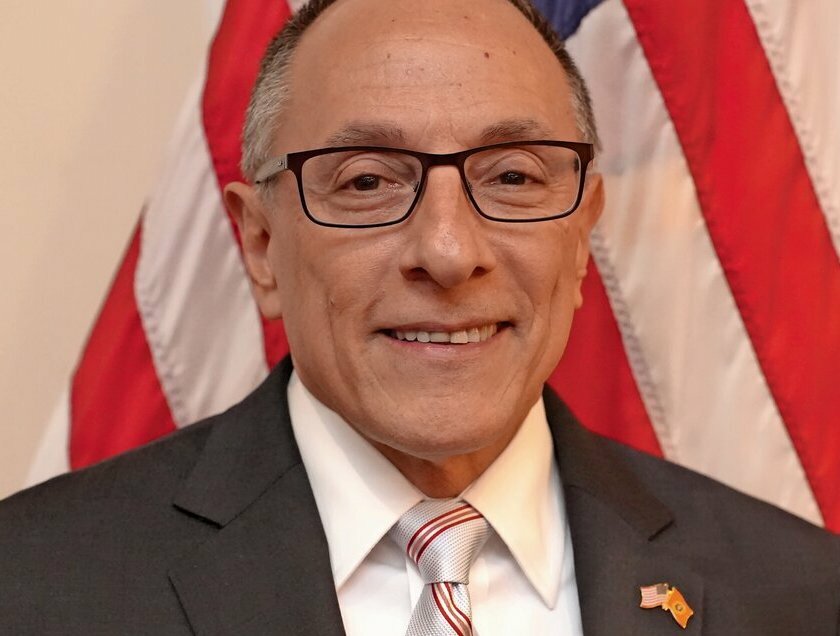
Michael Giangregorio represents Nassau County’s 12th Legislative District.