
Thursday, October 22, 2026
The cost of living remains a critical issue on Long Island. High housing prices. Rising rents. Expensive groceries, gas and child care. But there’s another side to the affordability crisis — one that gets less attention and even fewer headlines: stolen wages.
Wage theft happens when workers aren’t paid what they’ve legally earned. It shows up as unpaid overtime. Off-the-clock hours. Misused job titles. Stolen tips.
Below-minimum-wage pay. For many low-wage and immigrant workers, it’s not the exception — it’s the norm.
And the impact is real. These are the workers who keep Long Island running. They build our homes, clean our schools, care for our aging parents. Yet too often they go home without the full pay they’re owed. In a region where even a modest apartment can cost over $2,000 a month, missing wages mean missed rent, skipped meals, or another job added to the list.
One of the most common forms of wage theft is misclassification. That’s when a worker is labeled an “independent contractor” when he or she is really an employee. It sounds like simple paperwork, but it isn’t.
It strips away basic protections — no overtime, no workers’ comp, no unemployment insurance. It’s also costly. The IRS estimates that 15 percent of employers misclassify workers, costing the government $1.6 billion a year. The Department of Labor has found that up to 30 percent of audited employers do it. This, coupled with rising inflation, is detrimental to the economic stability of Long Island.
The practice is rampant in construction — an industry that is critical to Long Island’s growth. Some contractors cut corners. They pay under the table. Skip training. Ignore safety rules. They underbid responsible companies and walk away with the profits. Workers get shortchanged. Communities get shortchanged.
Worse, the risks go beyond paychecks. On school job sites, untrained workers handling hazardous materials — like asbestos — can expose students and teachers to serious harm. It’s not just about fair wages. It’s about the health and safety of our communities. Construction projects must be safe for both the workers and those who will be using the facilities. Cutting corners for these projects poses significant risks to many.
That’s where Project Labor Agreements come in. PLAs require contractors on public projects to meet clear standards, pay their workers fairly, train them properly and make job sites safe. PLAs help prevent wage theft.
They also protect taxpayers by making sure the job is done right the first time. Studies have shown that PLAs also ensure projects’ cost-effectiveness.
Wage theft thrives when enforcement is weak. New York has laws on the books, but not enough investigators to enforce them. Contractors know this. Some count on it. Without proper enforcement, bad actors continue to exploit workers, undercut responsible businesses, and drain resources.
We need stronger oversight. More accountability. This means increasing funding for labor investigators, strengthening penalties for violations, and ensuring that state and local agencies coordinate efforts to hold offenders accountable. It also means empowering workers to report violations without fear of retaliation. And we should stop awarding public contracts to those who break the rules — no exceptions.
This isn’t just about workers. It’s about fairness. It’s about safety. It’s about protecting the people who make Long Island work — and making sure they can afford to live here, too.
When workers are shortchanged, entire communities suffer. Families struggle to pay rent, put food on the table and cover basic necessities. Local businesses lose customers as working people have less to spend.
Taxpayers bear the burden when wage theft leads to increased reliance on social services.
If we’re serious about addressing the affordability crisis, we can’t ignore the money being stolen in plain sight. Cracking down on wage theft isn’t just the right thing to do — it’s essential for building a stronger, fairer economy. By enforcing labor laws, holding bad actors accountable and ensuring fair pay, we can create a Long Island where workers thrive, businesses compete on a level playing field and communities prosper. The time to act is now.
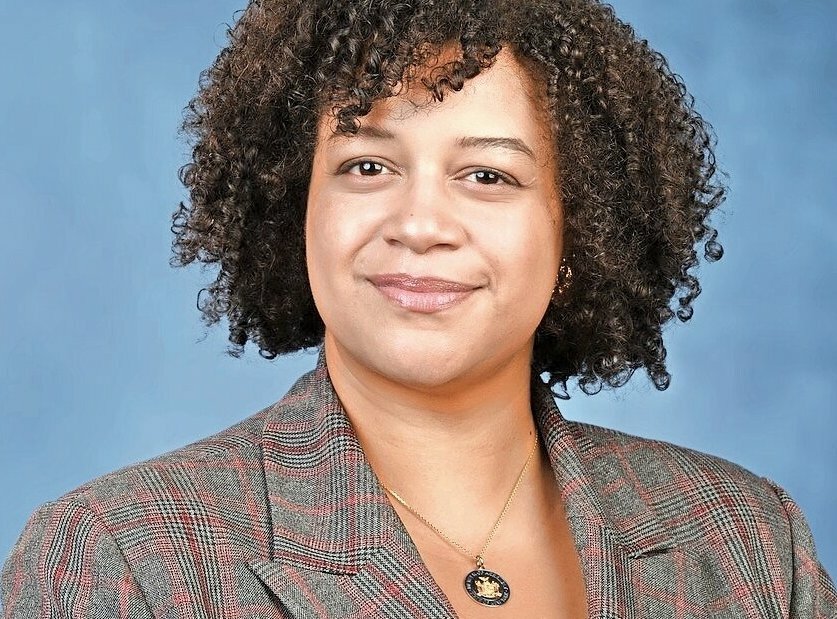
Michaelle Solages represents the 22nd Assembly District.


