
Thursday, October 22, 2026
Living in the suburbs brings with it many familiar sayings about human nature, including “The grass is greener on the other side of the fence” and “wanting what your neighbors have.” But for some residents along the Nassau-Suffolk county line, these old sayings reflect a frustrating reality when it comes to local school taxes.
The levies being paid by residents on either side of the county line are not equal. They are borderline unfair.
In the Farmingdale and Amityville union free school districts, which span the Town of Babylon, in Suffolk County, and the Town of Oyster Bay, in Nassau, residents see dramatically different school tax bills depending on which side of the county line they live on. This year alone, Suffolk homeowners in these districts had increases of up to 17 percent. Meanwhile, their Nassau neighbors saw little or no change. In some cases, they even received a decrease.
The reason is simple. The Suffolk keeps its property assessments current, while Nassau does not. But the state still applies a single equalization rate to these two multi-county school districts. That approach has forced Suffolk homeowners to cover the full cost of remnant that resides in the school tax levy. In the Farmingdale district, residents paid roughly $5 million more, while Nassau residents paid about $1 million less. In Amityville, Suffolk residents paid nearly $3 million more.
All of this is happening within the same school districts.
Equalization rates are supposed to make school taxes fair when districts cross municipal borders with different property values. They are designed to account for differences in local assessments and ensure that each taxpayer is paying his or her fair share. But when one county’s assessments are up to date and another’s have been frozen for years, the system breaks down. It creates unnecessary inequities, undermines trust in the process, and hurts working families that are simply trying to stay afloat.
Legislation I introduced earlier this year would address this problem. It would require the state commissioner of taxation and finance to create separate equalization rates for the Suffolk and Nassau portions of the Farmingdale and Amityville school districts. This change is intended to correct existing imbalances and help ensure that each homeowner’s share more fairly reflects actual local property values. The bill would also give local assessing jurisdictions the ability to challenge the equalization rate being used by the neighboring county, something that is currently not allowed.
The bill passed the Senate, but unfortunately the Assembly did not act on it before the end of the session. That, however, will not stop us. Assembly sponsor Khaleel O’Pharrow and I are already working together to make sure that when the Legislature returns, we end the practice of seeing one homeowner penalized based on which side of the county line their property is on.
This is a question of fairness. And, as Assembly member O’Pharrow puts it, “No family should bear an unfair burden simply because their county updates property assessments more responsibly.”
Despite the session’s being over, this fight is not. Taxpayers expect fairness in their assessments, and when those determinations are made without consistency, we have a responsibility to act.
As Babylon Town Supervisor Rich Schaffer said, “Together we will keep pushing for accountability and relief for our community.” I could not agree more, and will keep pushing until Suffolk taxpayers get the fairness they deserve.
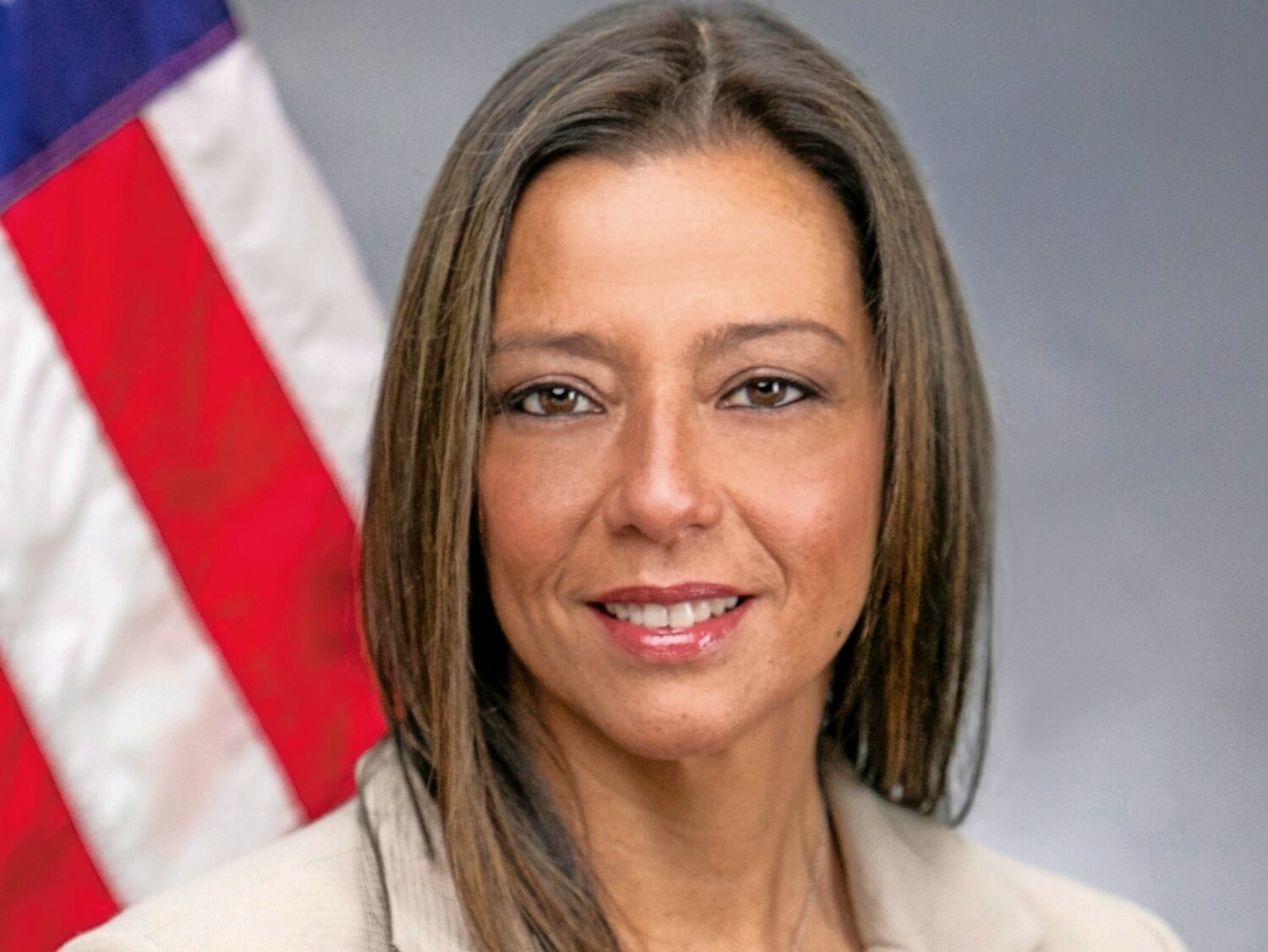
Monica Martinez represents the 4th State Senate District in southwestern Suffolk County.


