
Thursday, October 22, 2026
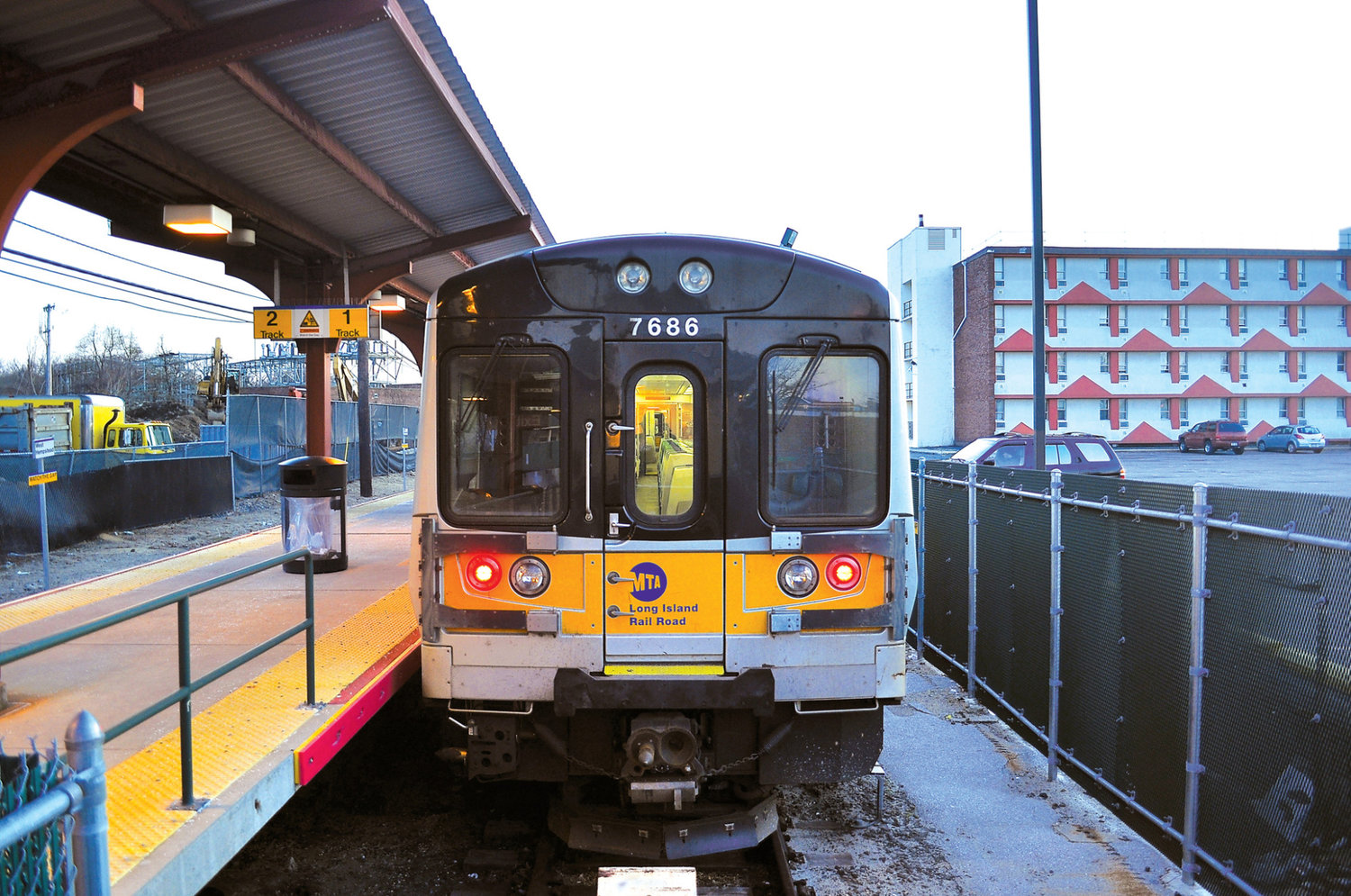


The Metropolitan Transportation Authority said Wednesday that it remains hopeful a deal can be reached with five Long Island Rail Road unions before a potential strike deadline at 12:01 a.m. Saturday, as negotiations continue over wages and contract structure.
Speaking during a news conference in Manhattan, MTA labor negotiator and former Chief Financial Officer Gary Dellaverson said negotiations would resume Thursday and expressed confidence that a deal could still be reached before the federally mandated cooling-off period expires Friday at 11:59 p.m.
“There’s no reason for there not to be an agreement,” Dellaverson said. “That agreement should be reached. … It’s available. It’s doable.”
If a strike occurs, the MTA said it would operate limited weekday shuttle bus service for essential workers and commuters unable to work remotely. Buses would run during peak travel hours between Bay Shore, Hempstead Lake State Park near the Lakeview train station, Hicksville, Huntington, Mineola and Ronkonkoma, and subway connections in Queens, including the Howard Beach-JFK Airport A train station and the Jamaica-179 Street F train station.
The dispute centers on recommendations issued by a Presidential Emergency Board, which proposed a one-year contract with a 4.5 percent wage increase and no changes to existing work rules.
Dellaverson said the MTA accepted the recommendation for a fourth contract year and dropped its push for immediate work-rule changes, but instead proposed a 3 percent across-the-board wage increase supplemented by lump-sum payments.
According to Dellaverson, the MTA’s proposal would cost exactly the same as the emergency board’s recommendation — $133.8 million.
“The important takeaway is that the amount of money that was recommended by the Presidential Emergency Board is what it is that we have on the table,” he said.
Union leaders have criticized the lump-sum payments because they would not permanently raise workers’ salary base, but Dellaverson defended the proposal, calling it common in labor agreements and “not a gimmick.”
Dellaverson also said the unions made what he described as their “first material move” during negotiations Wednesday, though he said it involved economics rather than work-rule issues.
The MTA argues that agreeing to a larger across-the-board raise could create a costly precedent for future negotiations with other unions across the agency.
Long Island Rail Road President Rob Free said the agency wants to avoid a strike because of the impact it could have on riders, workers and the regional economy.
“It’s not good for the economy,” Free said. “It’s not good for our riders. And also, let’s not forget, it’s not good for our employees who are going to bear a significant burden in lost wages.”
Gov. Kathy Hochul also urged both sides to continue negotiating and avoid a strike.
“No one wants a strike. I don't want a strike,” Hochul said during her news conference on Wednesday. “I continue to worry about affordability for Long Islanders. I'm not willing to ask Long Islanders to pay unnecessary fare hikes or higher taxes.”
Hochul added that while workers “deserve to be paid fairly for their work,” both sides “must continue to negotiate in good faith toward a deal at the table.”
“I believe that a deal can be reached here,” she said.
The unions, representing more than 3,500 workers through the Brotherhood of Locomotive Engineers and Trainmen; the International Association of Sheet Metal, Air, Rail and Transportation Workers–Transportation Division; the Transportation Communications Union/IAM; the Brotherhood of Railroad Signalmen; and the International Brotherhood of Electrical Workers, did not immediately respond to the MTA’s press conference.
*This story will be updated if necessary


