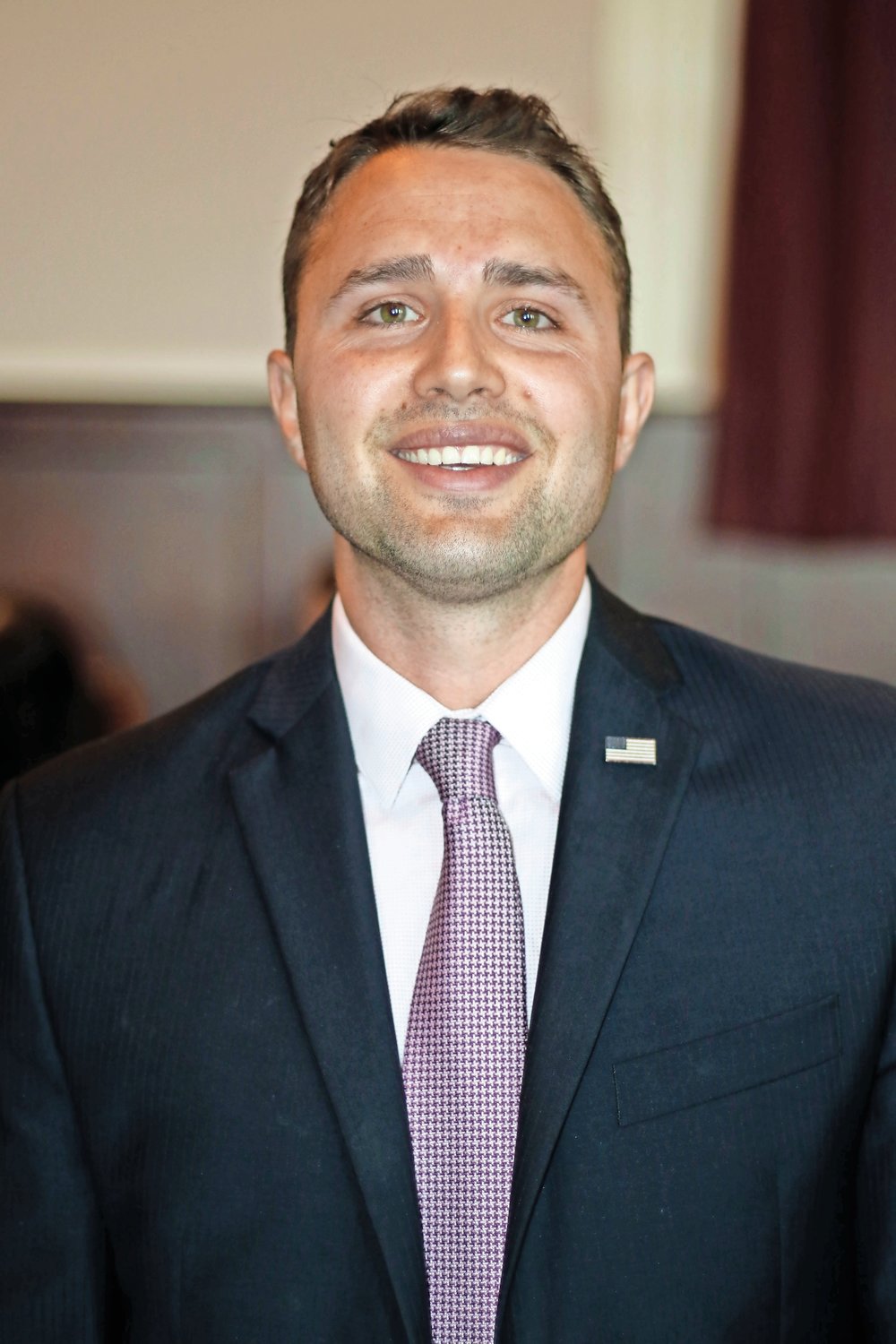
Sam Pinto is a career firefighter, paramedic, nationally certified fire instructor, and certified fire and life safety educator.
Courtesy Sam Pinto
By Sam Pinto
As expected, reported cases of exposure to the Novel Corona Virus and Coronavirus disease (COVID-19) have spread throughout the country and are increasing exponentially. The local situation is still early and evolving. It is important to prepare and not panic to help limit the impacts.
New York is still dealing with an active record-setting and disruptive flu season. We need to expand on good habits to help reduce the spread of both flu and COVID-19. As part of this, we should plan for disruptions to normal activities.
Awareness and active mitigation, including intentional habit changing, will help limit the severity of the spread of the COVID-19. This is important because you can carry and spread the virus without showing significant symptoms. Beyond it being a new virus, not yet with a vaccine, one of the challenges of COVID-19 is that its incubation period is longer than others. An incubation period is a time between being exposed to a germ and having symptoms of the illness. The general incubation period for seasonal flu is 2 days. Current estimates suggest that symptoms of COVID-19 usually appear around five days on average, but the incubation period may be as short as two days to as long as 14 days. This means that a healthy adult can be carrying and spreading the virus for up to 14 days without knowing it.
At the time of this writing, there were 19 confirmed deaths in the U.S. from the virus, with the majority of them in the State of Washington. There have been over 76 confirmed illness cases with multiple cases being linked to Nassau County. This has led Governor Cuomo to declare a state of emergency. While this is an outbreak, and an abundance of caution should be warranted, many, including myself advise to prepare and not to panic.
We need to do our part so that those who are at high risk are not greatly impacted. While it is still early to confirm all of the clinical medical complications of COVID-19, older adults and those who suffer from chronic medical conditions like Emphysema, Asthma or cardiac issues are at a higher risk for serious complications.
Yes, it is hard to ignore those who are sensationalizing what is going on, but panicking will make it worse. Awareness, being proactive and properly reactive will help the situation, including taking the steps to reduce the associated risks. COVID-19 will spread, and individuals will die from the associated complications. If you want to help mitigate or reduce the impacts, changing your habits will make a difference. This includes practicing good hygiene and similar practices against the flu.
We are still at a high activity range for the seasonal flu and it is expected to continue at least for a few more weeks. Remember, just because the Corona Virus is circulating doesn’t negate the fact that so is the flu. The CDC has estimated that nationally, there has been up to 49,000,000 flu illnesses, 23,000,000 medical visits, 620,000 hospitalizations, and 52,000 flu deaths this 2019-2020 season. This has been a truly disruptive flu season. It has been a record-setting flu season in New York; New York’s s Dept. of Health Flu Tracker has confirmed 140,000 cases statewide with over 8,459 confirmed cases in the week ending on February 29th, down from 10,519 cases for the week of the 22nd. In New York, there have been many flu linked deaths, including in children. As of now, there has not been a link that children are at greater risk of death from the COVID-19, and those who have died were either elderly, with other chronic conditions, or delayed in getting medical care. Healthy individuals who receive supportive care are expected to recover, as most cases of the sicknesses have been mild.
Both Influenza and the COVID-19 are spread primarily through airborne or direct contact with droplets containing the virus. The most common spread is by close contact, less than 6 feet; or through respiratory droplets when someone coughs or sneezes. It can also be spread if a person touches their mouth, nose or eyes with contaminated droplets.
While there is currently no vaccine for COVID-19, the World Health Organization is optimistic that there will be one soon and that there will be dramatic containment. But until then, we all need to change our habits and prepare to minimize the spread.
Limit contact if you are feeling sick as it is thought that people are most contagious when most symptomatic. It is also not a bad idea to limit unnecessary contact with the elderly or high-risk people as there is concern for spreading it to them. Wash your hands often and properly, for at least 20 seconds of suds, and use hand sanitizer when available. Remember to rub it into your hands for at least ten seconds and let it dry. Don’t touch your face or bite your nails, sneeze into clean tissues and do not reuse handkerchiefs. Clean your cellphone often, and wipe down contact areas with proper disinfectants. Start the habit of taking off your shoes when home and if possible use drive-thru ordering and pickup instead of going into stores or the pharmacies. Most importantly, if you are sick, stay home, call your doctor and do your best to get healthy while not contaminating others. The common symptoms of the coronavirus include a dry cough, fever, difficulty breathing, pneumonia and exacerbation of chronic respiratory illnesses.
We not only need to prepare for the medical complications, but also for the disruption it will cause to everyday life. This flu season has caused major disruptions and until the COVID-19 risk is reduced there will be an increased disruption from it as well. We should all modify our habits and plan for possible disruption to our normal activities. Schools and businesses have already temporarily closed, and there will be more steps taken as the impacts expand.
Plan for disruption
The disruption will be for both limiting spread and for resources to deal with the illness. Plans will change over the next few weeks. Events may be canceled, work schedules and childcare may be altered. You will probably be impacted by some form of disruption, and it is important to prepare for it. Have a continuity plan in place if you need to work from home or another remote location. Make sure you have backup plans for child care in case your normal programs or setups change. After school and athletic clubs may be postponed and normal activities that involve large groups may be canceled. Avoid highly populated areas if warranted. Set up contact lists and organize succession plans to fulfill responsibilities in case you get sick or need to care for someone.
This is still a dynamic situation that is expanding rapidly, preparation will help minimize it, and this too shall pass. We are a strong and resilient community, and if we take the right steps we can do our best to minimize the impacts.
Sam Pinto is a career firefighter, paramedic, nationally certified fire instructor, and certified fire and life safety educator. He can be reached at SPinto@iaff287.org.



