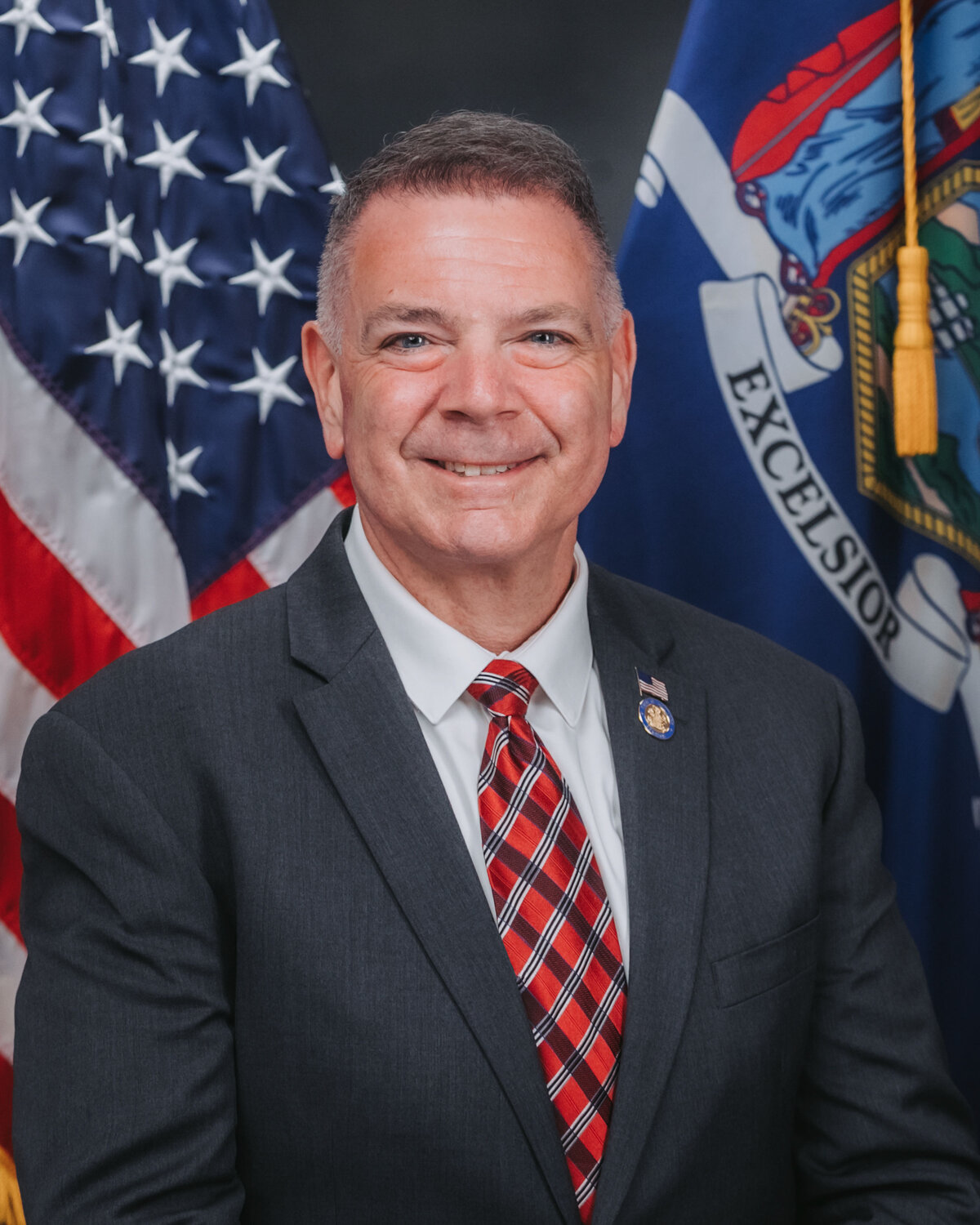
By Steve Rhoads
New Yorkers don’t experience the state budget in billions and balance sheets. They feel it at the kitchen table — when the utility bill arrives, when rent jumps (again), when child care costs nearly as much as a mortgage, and when too much of every paycheck disappears before it ever reaches a savings account.
The numbers tell the story families already know. New York ranks first in the nation in individual tax burden, second in total tax burden and fourth in property taxes.
Endless regulations drive up the cost of housing, energy and doing business. Median home prices rank seventh nationally; auto insurance, third; health insurance, fifth; and the cost of child care is among the highest in the country.
Yet the governor’s $260 billion executive budget doubles down on the approach that created this crisis. State operating spending is set to grow 5.7 percent, pushing New York’s budget just above the combined size of Florida’s and Texas’s, even though those states have more than twice our population. Despite $17 billion in higher-than-expected revenues, this plan treats the affordability crisis like a paper cut, a flimsy Band-Aid on a wound that demands real, lasting care.
To add to this, New York City Mayor Zohran Mamdani recently warned of a fiscal crisis worse than the Great Recession. His plan? More taxes and a bailout from Albany, using your dollars. Who’s going to start the next big job-creating business here with a 22 percent income tax rate?
They won’t. They’ll go to Florida, Texas or North Carolina.
Meanwhile, another report showed that the MTA, already receiving millions from the congestion pricing commuter tax, spent $1.5 billion on overtime — hundreds of millions over budget. Who pays? You do. This cycle of higher taxes, more spending and more regulations — while you get less — must stop.
Affordability doesn’t come from spending more. It comes from keeping government out of your pocket, letting you keep more of what you earn. That’s why I’ve introduced the Taxpayer Rescue Act, bold legislation that would deliver the largest personal income tax cut in state history.
It would eliminate state income tax on the first $50,000 of income for single filers, the first $75,000 for head-of-household filers and the first $100,000 for married couples. It would also lower the tax rate to 4 percent for middle-class earners and cap it at 5 percent below the millionaire threshold. Phased in over 10 years, it would provide $35 billion in tax relief, and save the average family $5,000 per year — without cutting funding for vital programs.
Affordability also means lowering everyday costs driven by Albany’s mandates and overregulation. Taxes, fees and surcharges can account for 25 to 50 percent of utility bills.
Regulations can add tens of thousands of dollars to the cost of building a single-family home. Child care costs force parents to choose between careers and care. These are policy choices — and they can be reversed.
Affordability also means ending Albany’s habit of reaching deeper into family budgets whenever spending gets out of control. That’s why I’ve sponsored legislation that would require a two-thirds supermajority vote to raise any tax, fee or surcharge. It would force bipartisan consensus, curb reckless tax hikes and finally bring accountability to a system that too often treats taxpayers as an unlimited revenue source.
I’m proud to have joined my Senate Republican conference in a series of affordability roundtables across the state, hearing from residents about the challenges they face every day. We hear you, and we’re taking action.
We recently unveiled our affordability agenda: exempting tips and overtime from state income tax, freezing property taxes for three years, cutting bureaucratic red tape, returning nearly $1 billion in unused energy funds to ratepayers, slashing private water company bills by up to 30 percent, offering utility tax holidays, reducing costly housing mandates, and strengthening child care support with full funding, a $1,000 “baby bonus” and staffing flexibility for child care centers.
If history repeats itself, this budget will only grow beyond $260 billion. Albany Democrats can’t seem to stop spending your hard-earned tax dollars. That’s why the Senate Republican conference will go line by line, calling out waste and fighting to hold the line for taxpayers.
Saving New York means changing course. It means cutting taxes, lowering everyday costs, reducing regulations and putting working families first. Real affordability isn’t about bigger budgets — it’s about giving New Yorkers the freedom to build a future they can truly afford. I will keep fighting to make that a reality.
Steve Rhoads represents the 5th State Senate District.