
We’ve all known the feeling: a once-quiet street is disrupted when a bad neighbor moves in. The music’s louder, the yard’s a mess and the sense of safety starts to slip away. But what happens when the disturbance isn’t noise or trash — but hatred? And what if that hatred is coming from someone in a seat of power?
That’s what’s happening now in our political backyard.
Assemblyman Zohran Mamdani has become a loud, proud opponent of the New York City Police Department and a defender of the rights of criminals at the expense of public safety. But his radicalism doesn’t end there. On the second anniversary of the brutal Oct. 7 attacks, Mamdani has dragged antisemitism from the political fringe and given it a platform in state government. He aligns himself with those who call for the destruction of Israel, echo slogans that endanger Jewish lives here at home, and justify or excuse violence when it fits their narrative.
This isn’t just about disagreement. It’s about the normalization of hate.
Not long ago, antisemitism was universally condemned. Today it has a microphone in Albany and, more disturbingly, growing political clout in New York City. Mamdani and his allies may dress up their rhetoric in the language of justice, but their actions send a very different message: that Jewish New Yorkers don’t matter and are not welcome. That their safety, their history and their place in our society are up for debate.
That’s unacceptable.
The rise in antisemitic attacks across New York hasn’t happened in a vacuum. When elected officials demonize Israel, harass Jewish students on campus and ignore violence targeting Jewish communities, they send a chilling message: that hate is tolerated — or worse, encouraged.
This isn’t a fringe voice shouting from the sidelines. Mamdani is a leading candidate for New York City mayor. And he’s not alone. A growing number of prominent Democrats, including Gov. Kathy Hochul, have rushed to support his campaign — signaling that what was once fringe is now moving into the mainstream. With this endorsement, Hochul’s moderate facade falls away, revealing a willingness to embrace policies far to the left. Backing Mamdani — a candidate with a record of supporting pro-criminal, anti-Israel, high-tax, job-killing legislation — sends a stark message: to our governor, political convenience outweighs principle. The party is not merely tolerating extremism; it is putting it center stage.
It’s time to say enough.
We must stand firmly with our Jewish neighbors. We must support law enforcement — which often is the last line of defense when hate turns to violence. And we must demand more from those in power, regardless of party.
Criticizing policies is fair. Debating foreign affairs is fair. But when those criticisms descend into chants for genocide or deny the right of Jewish people — or any people — to live safely, a red line has been crossed. Antisemitism isn’t a political position. It is hate.
New York has long prided itself on being a home to people of every background and belief. But that only works when we agree to protect one another’s safety. When that principle is threatened — whether by extremists on the street or politicians in the Capitol — there is a moral obligation to speak out.
Because when the bad neighbor moves in, silence isn’t neutral — it’s surrender. You defend your street. You defend your values. You defend your neighbors.
There are ways to push back. Republicans in Albany have introduced legislation to give judges the authority to require or deny bail for those arrested for hate crimes. Other proposals would deny state-funded tuition to students who engage in antisemitic behavior. Colleges would be required to report antisemitic incidents, implement prevention training, and face the loss of state funding if they allow terrorist-affiliated groups to operate on campus. Yet despite the urgency, Senate Democrats blocked these common-sense measures during the most recent legislative session.
Efforts are also underway by Senate Republicans to expand hate crime laws to protect houses of worship and hold accountable those who block access to buildings or disrupt community gatherings. Additional funding for the Securing Communities Against Hate Crimes Grant Program — expanded to include small businesses — would help vulnerable communities defend themselves.
And we support those in local government who support the men and women of law enforcement.
New York City’s unrest isn’t staying in the city. It’s at our doorstep. The choice is clear: hold the line — or watch the chaos move in.
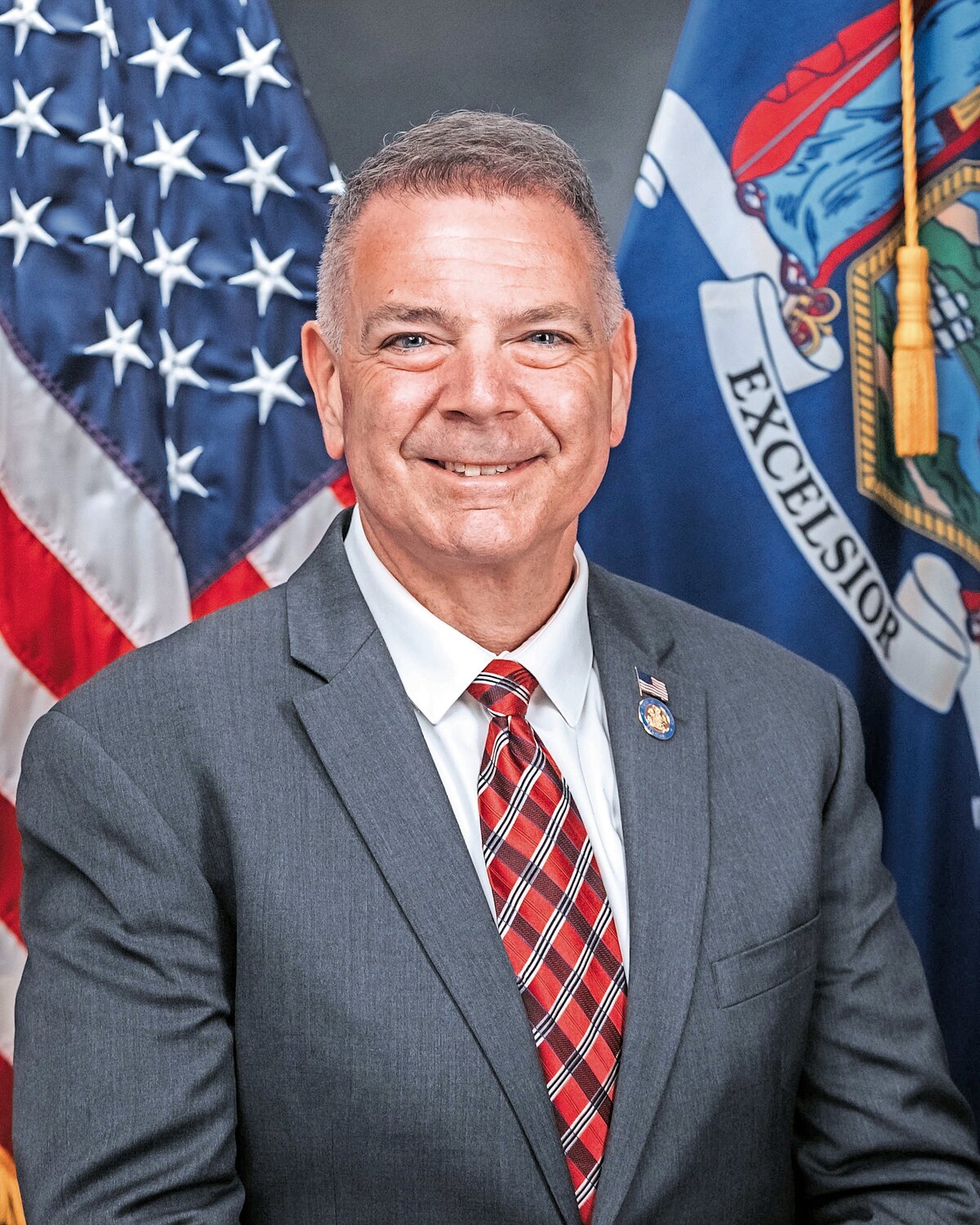
Steve Rhoads represents the 5th State Senate District.


