
Thursday, October 22, 2026
In recent months, media headlines have highlighted a growing push for accountability when young people commit acts of violence in schools. Recent convictions in Michigan and Georgia have raised difficult questions about the role of parents and guardians when warning signs are missed or ignored. In some cases, courts have held adults responsible for acts of carelessness, such as providing firearms to children who are experiencing significant mental health challenges or failing to respond when young people express violent intentions.
These cases underscore an important reality: Protecting children from school violence is a shared responsibility. Families, schools, mental health professionals and community members all have a role to play in recognizing warning signs and ensuring that young people receive the support they need.
Over the past decade, schools across the country have taken significant steps to strengthen physical safety. Many districts have installed security vestibules, developed multidisciplinary threat-assessment teams, implemented visitor-management systems, hired armed security personnel and upgraded classroom doors and lock sets. Schools regularly conduct emergency drills, improve communication systems and maintain strong partnerships with local law enforcement and first responders.
These infrastructure and personnel improvements are important, and represent thoughtful efforts to make schools safer. But physical security measures are only one part of a much broader approach to school safety.
Equally important is the overall climate in our schools and the emotional well-being of our students. Educators continue to focus on creating environments in which students feel welcomed, respected and connected. When students feel that they belong, they are more likely to engage in learning, build healthy relationships and seek help when they need it.
All of our schools have building-climate teams that review student survey data to continuously work to improve the culture of our schools. Across the country, schools have invested in programs designed to strengthen relationships and build inclusive communities. Anti-bullying initiatives, peer mentoring opportunities and expanded counseling services all help create environments in which students feel supported. While these efforts may not always make headlines, they play a critical role in preventing conflicts and strengthening school communities.
Research consistently shows that early identification of warning signs is one of the most effective ways to prevent violence. The 2021 “Averting Targeted School Violence” report from the Department of Homeland Security emphasizes that targeted violence can often be prevented when communities work together to identify and support students who are in distress before behavior escalates. As the report notes, violence prevention is everyone’s responsibility.
To support this effort, our district recently implemented the Sandy Hook Anonymous Reporting System. This tool allows students to share concerns anonymously if they are uncomfortable speaking directly with a trusted adult. Reports are monitored 24 hours a day, seven days a week, and the program includes training for both students and staff that reinforces the message, If you see something, say something.
Mental health support is another critical part of prevention. When young people experience isolation, anxiety, trauma or other emotional challenges, they need access to trusted adults and professional support. Providing that support requires collaboration among schools, families and community partners.
Over the past decade, our district has made significant investments in student support services, more than doubling the size of our mental health counseling department. We have also strengthened partnerships with outside providers such as Northwell Health and the YES Community Counseling Center to ensure that families have access to additional resources beyond what schools alone can provide.
Connecting families to mental health services outside school can still be challenging, both locally and across the state. The role of schools in supporting student mental health continues to evolve, and there is a growing need for stronger partnerships among school systems, health care providers and government agencies. Expanding opportunities for collaboration and increasing access to qualified mental health professionals in schools should remain a priority.
Ultimately, creating safe schools is about far more than security hardware or building upgrades. It requires strong partnerships among families, educators, law enforcement and mental health professionals. When communities work together, it becomes easier to identify concerns early, coordinate appropriate support and ensure that students receive help before problems escalate.
School safety is a shared responsibility. By working together as a community, we can build environments where every child feels safe, supported and valued.
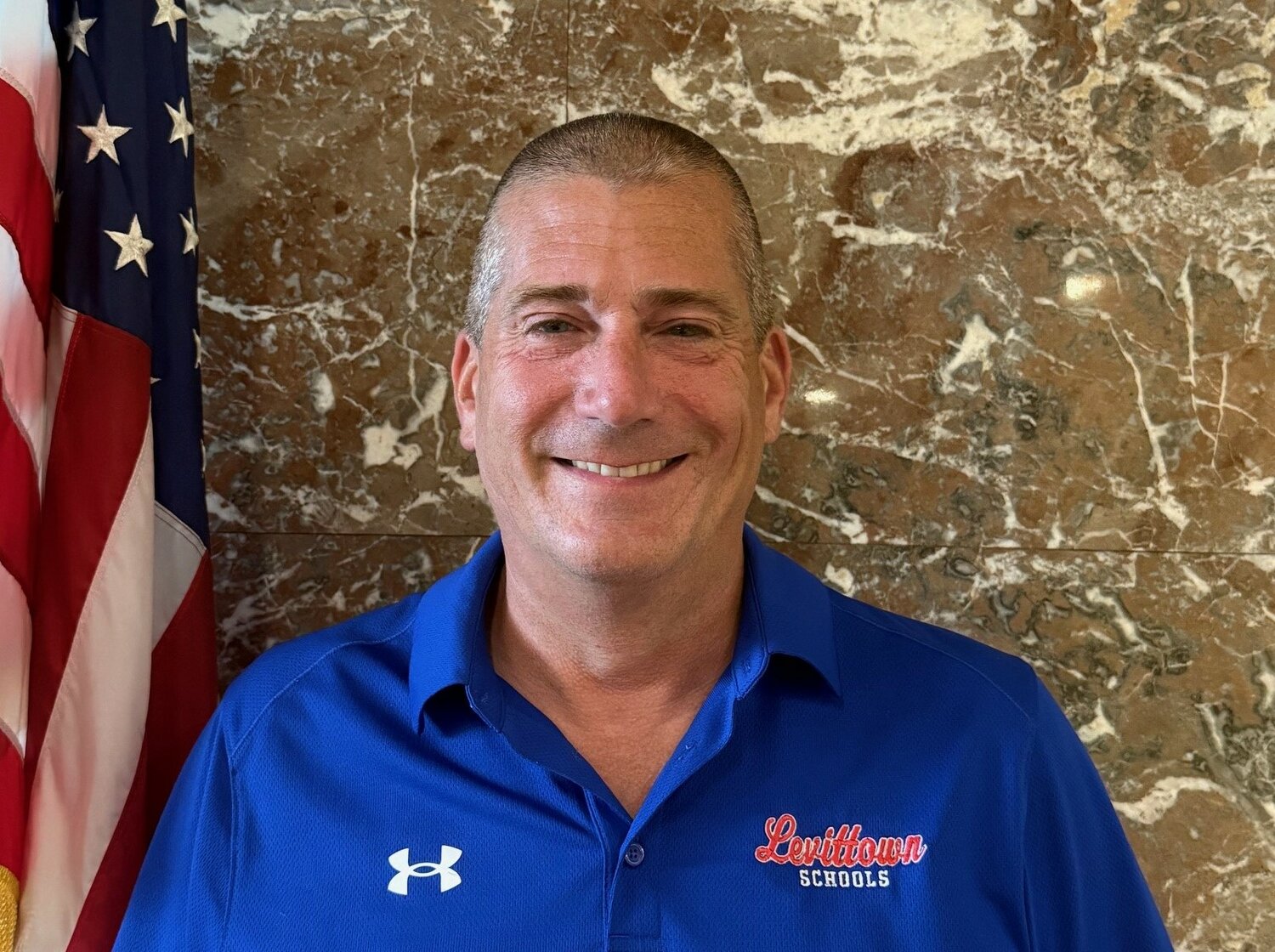
Todd Winch is superintendent of the Levittown Union Free School District.


