
Thursday, October 22, 2026
Last week, my youngest daughter, who is in middle school, asked me if World War III was beginning. As an educator, I know how to talk to children about war and conflict, but in the moment, with my own child, I just felt heartbroken. Summer is a time for our kids to be carefree, happy and full of joy. I don’t recall worrying about such things when I was a kid; my biggest summer worry was what time my friends would knock on our door and call for me to come out and play.
Our world today is a different one indeed from the world of my childhood. It can be tempting to lament the carefree childhoods of the past; I certainly went there myself for a few minutes. But even in those days, there were other parts of the world who knew to worry about war and violence, and those kids had more important worries than lamenting the simpler times of my youth. I was to find a way to help my daughter feel peaceful in an anxious world. As parents and educators, we have to find the strength to do this.
So what did I tell her when I recovered from her question? That there were conflicts in our world between groups of people who had different views and beliefs, and that in some parts of the world, those conflicts were violent, as upsetting as that might be. I reassured her that she was safe right here, right now, with her family, and that what was happening in the world was sometimes complicated and difficult to understand.
“But Mom,” she said, “can’t they figure out a solution without hurting each other? That’s what people tell us kids to do.”
Then we talked about the different ways that we can show compassion, that we can try to understand other people’s perspectives, that we can extend a hand of kindness instead of anger. My daughter had some great ideas, and together we decided that we would try hard to bring peace to our corner of the world for at least one day.
We spent the whole day trying to put our ideas into practice. At the end of the day, my daughter said, “Mom, I think we helped to bring a little peace to our world today. Wouldn’t it be great if everyone in the world decided to do that at the same time?”
Experts at UNICEF recommend that when speaking to children about war and conflict, parents and educators keep several things in mind:
Let your child take the lead. Find out what they know and how they’re feeling. Remind them that they can always ask questions, and that whatever they’re feeling is natural.
Use age-appropriate language and ideas. Children have a right to know what’s going on in the world, but it’s also our responsibility to keep them safe from distress. You may want to limit the news flow in your house, or for older children, the social media they’re accessing.
Spread compassion. Avoid labels like “bad people” or “evil,” and remind children that everyone in the world has dignity and value.
Focus on the helpers. Find positive stories of people helping one another during times of need, and remind children that they, too, can be peacemakers.
Emphasize that your child is safe, loved, and that you’re there to protect them. And don’t forget to take care of yourself, too. There is no greater anxiety for a parent than worrying about your child.
Since 2020, UNICEF has had a great program called Poems for Peace, in which children around the world submit peace-themed poetry. This is from a little girl from Nigeria named Aisha:
“In this world filled with chaos and strife,
Let’s come together and change our lives.
With love and kindness as our guide
Peace will bloom and hearts will collide.
Let’s embrace diversity, let differences unite,
For in unity, we find strength and light.
In every action, big or small, let peace be our guiding call.
May peace prevail in every land.
Hand in hand, let’s make a stand.
With hope in our hearts, we will find a way,
To make a peaceful world, starting today.”
Thank you, Aisha. Wishing all of you and your children a peaceful, joyful summer.
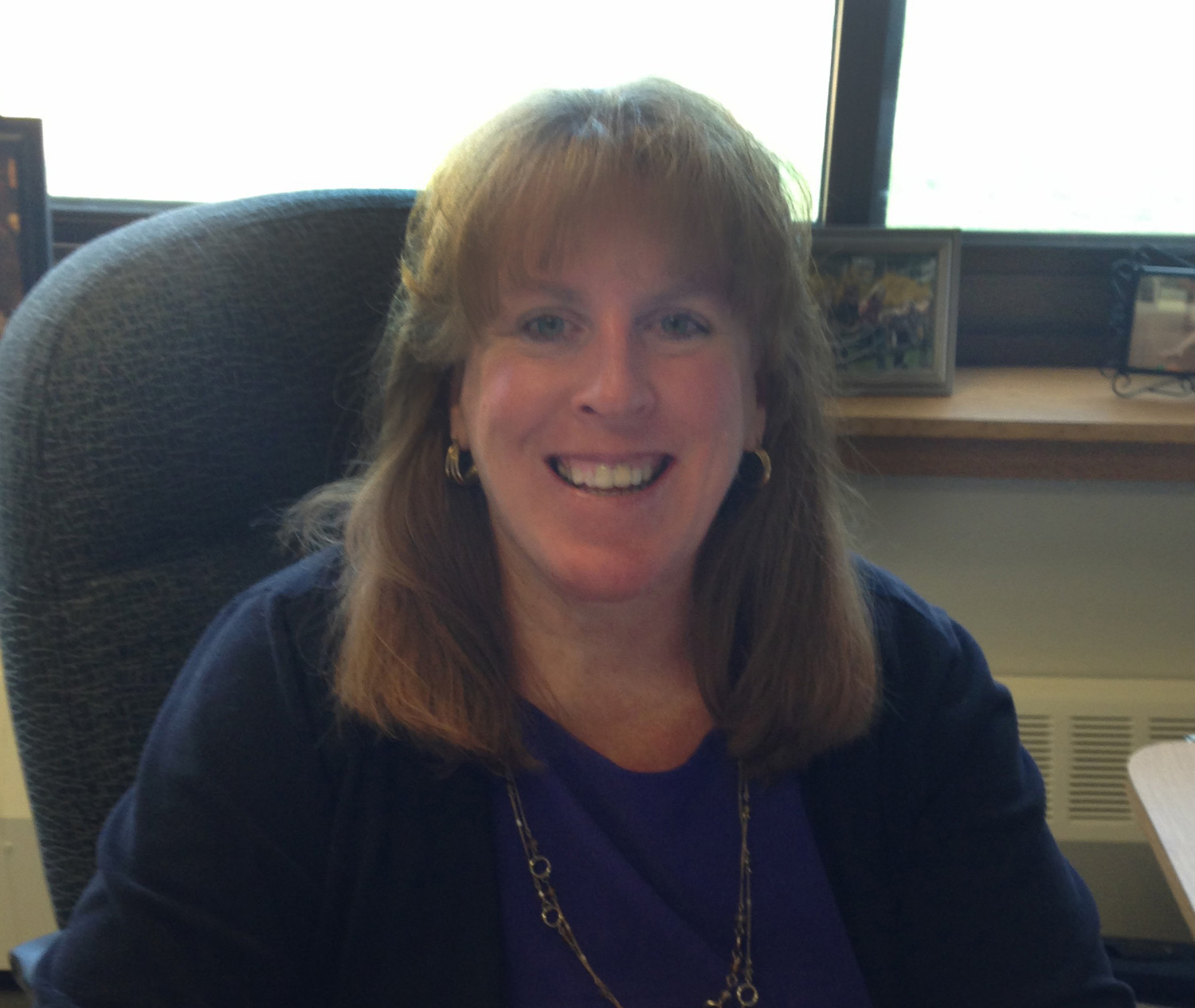
Jennifer Gallagher, Ed.D., is superintendent of the Long Beach school district.


