
Thursday, October 22, 2026
The recent primary election in New York City reminded me of the first time I voted, and every vote since. I even voted when I was in the Navy in the Philippines and used a mail-in ballot.
Voting is a statement of our values as well as a civic duty. Our vote is our voice. Why should we be silent when we have the right to express our opinion? On Long Island, residents have nearly 700 opportunities to do so, when we count 127 school districts, 63 sewer districts, 37 county legislative districts, 13 towns, two cities, two reservations, 95 incorporated villages, five congressional districts and two counties, without mentioning presidential and senatorial elections or neighborhood associations, among others. That may be too many, but there they are until we vote to consolidate them.
Voting promotes our values and affects everyday life. It helps decide where our tax dollars go and demonstrates our priorities, whether they be schools and education, libraries, land use or voting rights.
Voting is a community endeavor. It connects us to those with whom we agree as well as those with whom we disagree. We’re all in this together. This is the democratic way.
Voting is good for our health. It is recognized as a public health priority, according to Medicare Watch (“Voting May Be Good for Your Health,” Julie Carter, Aug. 29, 2024). Voting improves your sense of optimism, possibility and connectedness. When voting is restricted, health outcomes worsen, according to Carter.
Democracy requires informed choice. We can choose which political party to join, which candidate to support, and which policy proposals meet our criteria. We can choose to vote or not. However, we must educate ourselves about the issues and the candidates, and support civics education.
Our country faces new challenges from external and internal threats. We need to do more to control disinformation and conspiracy theories, help voters learn the truth, and ensure the integrity of elections. We must do more to ensure informed choices at the ballot box. Not choosing to do so is itself a choice, a choice that can lead to the demise of democracy. It starts by not exercising our right to vote.
We claim to have representative democracy, but we tolerate efforts to limit representativeness. What are we afraid of? Other Western democracies — Australia, Canada, the United Kingdom — have more flexible voting systems. If we worry that Americans aren’t knowledgeable enough, the answer is to strengthen the teaching of civics, U.S. history and the meaning and methods of our Constitution.
For a country obsessed with rankings of sports teams and colleges, it’s curious that we seem satisfied with ranking 31st in voter turnout in 2020 among 50 developed countries that held national elections that year, according to the Pew Research Center.
The 2024 presidential election campaigns spent more than $5.5 billion, yet more than one-third of eligible voters stayed away. In the 2022 congressional elections, more than half stayed away. Some were deemed ineligible, others were afraid of the unofficial “marshals” monitoring voting sites, and still others were dissuaded by disinformation on social media. Many just decided not to show up, seeming to forget that with freedom comes the responsibility to vote.
We are fortunate that we can vote in person or by mail, on Election Day or in advance. We can write in the names of people we think could do a better job than those on the ballot.
Early voting and voting by mail are steps forward, but not the only ones we could take. Why is voting in national elections limited to the first Tuesday in November? Wouldn’t it make sense to allow voting over several days, as in some other countries? What about holding elections on a weekend, when fewer people would have to take time off from work to vote? Perhaps Election Day should be a federal holiday.
We can participate in elections by volunteering to campaign for a candidate or writing postcards encouraging others to register and vote. These, too, are ways to make our voices heard.
Our vote is our voice. Voting is an act of choice, and the exercise of our voice in expressing our values and priorities. We should make it easier to learn about candidates and issues, and to vote. After all, our choice of leaders and policies can affect our health and extend our years.
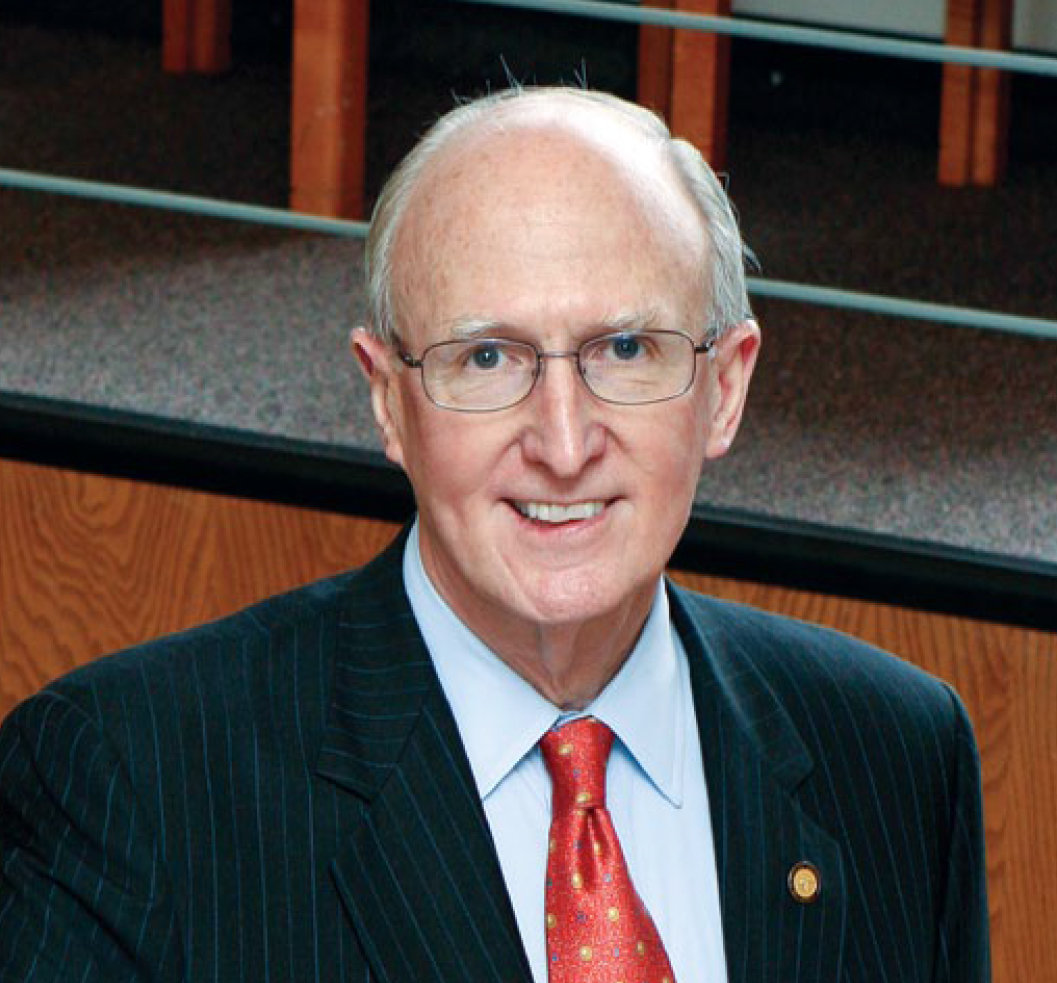
Robert A. Scott is president emeritus of Adelphi University and co-author of “Letters to Students: What it Means to be a College Graduate” (Bloomsbury, 2024).


