
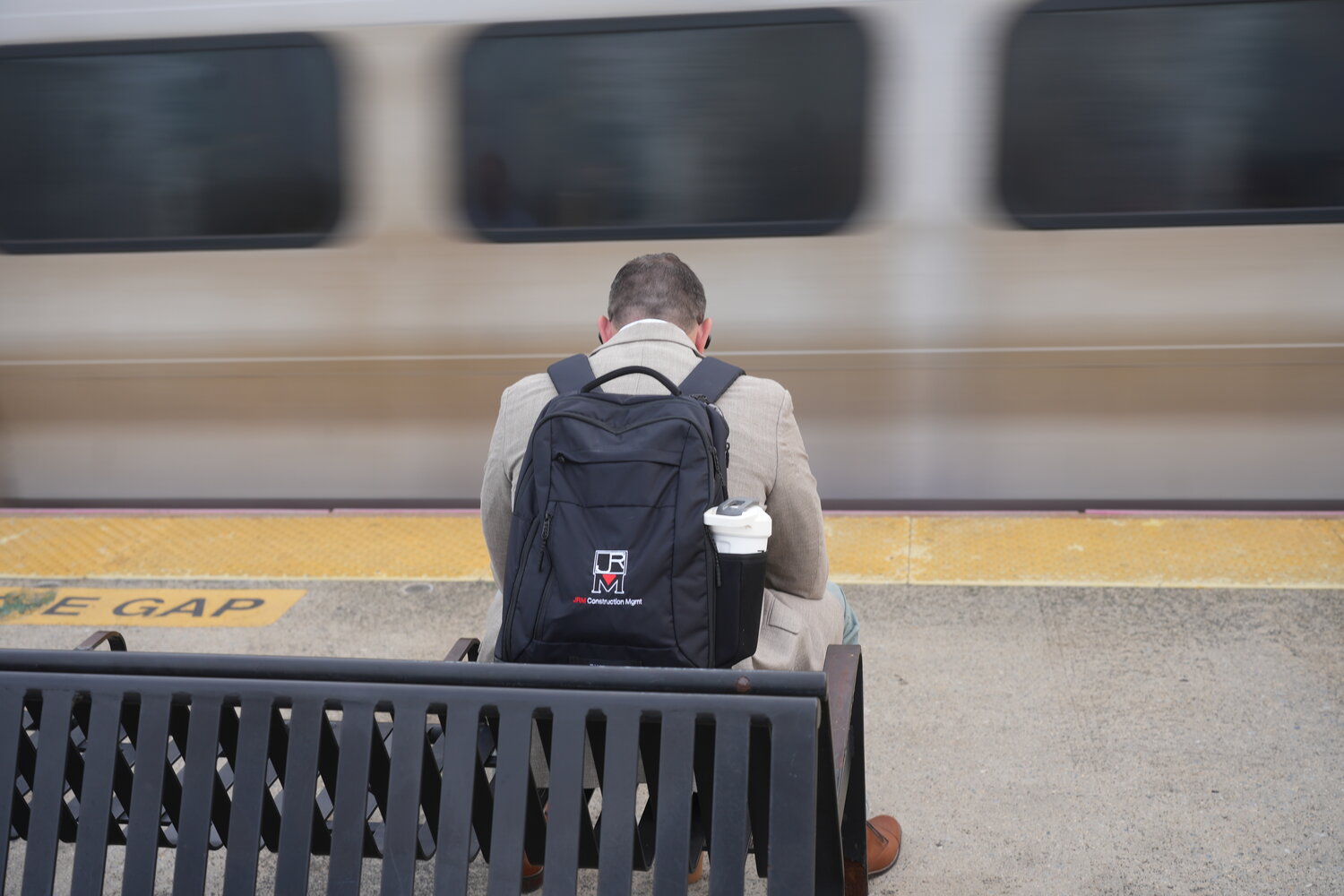
With congestion pricing in full swing, Gov. Kathy Hochul is urging Long Island commuters to swap their cars for what she calls “world-class” public transit. She touts the Long Island Rail Road as a fast and reliable alternative, with weekday ridership rebounding to 80% of pre-pandemic levels in 2024 and on-time performance at record highs. But a deep dive into LIRR data reveals a more complicated reality.
To unpack these trends, the Herald analyzed three years' worth of LIRR delay data. Explore the interactive breakdown below to see how delays have shifted year by year, how long they typically last, and the impact of infrastructure issues and operational challenges on your daily commute.
Read the full story here: Why Long Island Rail Road's Record On-Time Performance Tells Only Half the Story