
Thursday, October 8, 2026
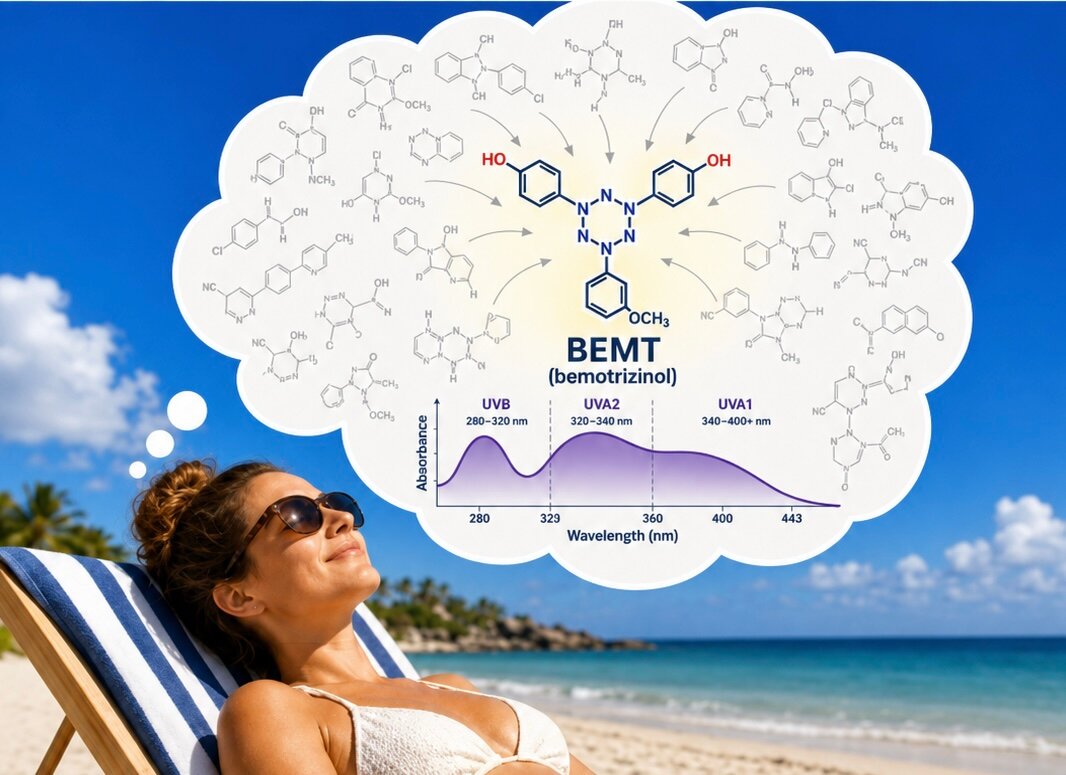


Americans may soon have another option for protecting their skin from the sun after the U.S. Food and Drug Administration approved bemotrizinol. This sunscreen ingredient has been widely used overseas for years but is only now entering the U.S. market.
The FDA announced June 9 that it approved a New Drug Application for over-the-counter sunscreen products containing bemotrizinol, also known as bis-ethylhexyloxyphenol methoxyphenyl triazine, or BEMT. The ingredient has been used for more than two decades in Europe, Australia and parts of Asia, making its approval a significant addition to the limited number of ultraviolet filters available in the United States.
“It’s a wonderful addition to the whole host of sunscreens and sunblocks that we use here in the U.S. and has some major advantages over what we currently use here,” Dr. Homayoun Sasson, chief and director of plastic surgery at Long Island Jewish Valley Stream hospital, said.
Bemotrizinol is a chemical UV filter that provides broad-spectrum protection against both UVA and UVB rays. UVA rays contribute to premature skin aging, including wrinkles and discoloration, while UVB rays primarily cause sunburn and play a major role in the development of skin cancers.
According to Sasson, the ingredient’s large molecular structure is one of its biggest benefits.
“When it’s applied to the skin, the risk of absorption through the skin into the bloodstream is a lot less,” Sasson said. “Regarding its toxicity, people who are concerned about this product can rest assured that not much has been shown at this point. Even though the skin is considered a barrier to the body, most substances applied to it eventually get absorbed into the bloodstream. And this type of product, because it has a large molecule, has less absorption.”
He added that available research has also shown little systemic absorption and fewer allergic reactions, making it a safe option for most people when used as directed.
Another advantage, Sasson said, is that bemotrizinol does not leave the white residue commonly associated with mineral sunscreen ingredients such as zinc oxide and titanium dioxide. Instead, it blends into the skin after application, making it more cosmetically appealing while remaining effective on a variety of skin tones.
According to FDA-reviewed information, bemotrizinol is also highly photostable, meaning it remains effective when exposed to sunlight. Some older chemical sunscreen ingredients lose effectiveness as they break down under UV exposure. Still, bemotrizinol maintains its protective properties and can also help stabilize other sunscreen ingredients in combination formulations.
Sasson expects manufacturers will market bemotrizinol both as a standalone sunscreen ingredient and in combination with existing sunscreen filters to improve product performance.
Although the ingredient has been available internationally for years, Sasson said the FDA approval process is known for taking considerably longer than in many other countries because of extensive safety reviews.
The FDA evaluated safety data submitted through the agency’s regulatory review process before approving products containing the ingredient for sale in the United States.
The approval comes at an important time as summer brings increased sun exposure across Long Island.
“It’s been proven that you know intense sun exposure, even for one intense period of time, can later cause skin to turn into cancerous lesions, such as basal cell or even worse melanoma,” Sasson said. “As excited as people get about summertime sun exposure, I think it’s very important to avoid direct sun, especially in the lighter-type skin, which is more prone to skin cancers.”
While many skin cancers, including basal cell carcinoma, can often be treated successfully when detected early, melanoma can spread to other organs and become much more difficult to treat.
As a plastic surgeon, Sasson said he regularly treats patients diagnosed with skin cancers, including cases requiring surgical removal.
He emphasized that sunscreen alone should not be considered complete protection from the sun. For people with fair skin in particular, he recommends limiting direct sun exposure, wearing wide-brimmed hats and protective clothing, and seeking shade whenever possible.
The FDA and the American Academy of Dermatology recommend using a broad-spectrum sunscreen with a sun protection factor, or SPF, of at least 30. Sunscreen should be applied about 15 minutes before going outdoors and reapplied at least every two hours, or immediately after swimming or heavy sweating.
People often forget to protect commonly exposed areas, including the ears, nose, neck and forehead. For those areas, Sasson recommends applying approximately one-half teaspoon of sunscreen every two to three hours while outdoors. Larger amounts should be applied to cover the rest of the body when exposed to the sun.
He also advises people recovering from surgery or healing from scars to keep those areas covered with clothing or bandages whenever possible because healing skin is particularly vulnerable to UV damage.
Like most sunscreen products, bemotrizinol is not recommended for infants younger than 6 months old. Instead, young infants should be protected by keeping them out of direct sunlight and using shade and protective clothing.
Products containing bemotrizinol are expected to begin reaching U.S. retailers over the coming months as manufacturers update their sunscreen formulations. Sasson said he expects consumers could begin seeing products before the end of the year, with broader availability by next spring and summer.


