



For three-quarters of a century, Temple Beth Am has been a cornerstone of Jewish life in Merrick and Bellmore. Established in 1950, the Reform congregation began humbly, holding services in a nursery school, fire hall, Presbyterian church, and a center for cerebral palsy, before moving into its first permanent home in December 1954.
The temple expanded in 1974 and, nearly four decades later, merged with Shaarei Shalom of Bellmore to form Temple Beth Am – The Reform Jewish Congregation of Merrick and Bellmore. Today, it remains a place that embraces tradition while evolving with change.
Among those guiding the congregation forward is Jeff Newman, the vice president of ritual and president of the Chai Society. Newman, 80, coordinated the 75th anniversary gala that took place in the Temple Social Hall on Oct. 18. He recently reflected on the synagogue’s milestone anniversary and the enduring spirit that defines Temple Beth Am.
Q: Temple Beth Am is celebrating its 75th anniversary this year. What does that milestone mean to you and the congregation?
A: “The milestone is absolutely amazing. I'm an active member for 41 years. I've held many different posts through the temple. And to have this milestone, knowing how it is these days, not just with synagogues, but all houses of worship where membership is down, so it’s hard to function and it’s hard to survive. Nassau County has 219 synagogues and, of the 219, 10 up until recently made it to 75 years. We are number 11. That is just amazing.”
Q: What do you think has allowed Temple Beth Am to endure for so long?
A: “We had long-term clergy. In the beginning, there was just lay leadership. And it was even before we had a building that would meet in the firehouse and other places. And then after there was finally a building, there was a rabbi and somebody else just doing part-time cantorial things. They went through one or two rabbis, I think, before Rabbi [Sanford] Saperstein came on board. And he was the glue. I only knew him a little bit because we joined in his last year when we joined and he served for 27 years as a spiritual leader of the synagogue. And during that period, there were only three different cantors. The last one who was with him served for many years also, and I think that helps to pull the congregation together…long-term leadership that everybody likes.”
Q: What makes Temple Beth Am unique among Long Island’s Reform congregations?
A: “Our leadership, in both clergy and lay leadership. We care. We don't have any ‘infighting.’ If we have disagreements among the lay leadership, we usually resolve it. We make it happen. Our clergy, our spiritual leadership definitely makes us above everybody in my feeling. I know many of the other rabbis in the area, not just Reform rabbis, Conservative and lords of docs. It sets us apart from other synagogues because we have this leadership.”
Q: You chaired the search committee that brought Rabbi Michael “Mickey” Baum to the temple. What stood out to you about him?
A: “Hamish (down to earth). That was the ultimate honor as far as volunteering myself and to really be involved in choosing the spiritual leadership for the next 20-plus years. At that time, he was our director of education, and I knew him pretty well, and most people did almost 20 years already at that point. I interviewed everybody for an hour, at least on the phone prior to the committee getting involved. It came down to Rabbi Mickey and another rabbi who was very staid. By the way, this is during the period now where we’re losing members. And we thought in committee that we need somebody who's Hamish, somebody who's going to work and embrace the cantor, as opposed to just working with the cantor, and embrace the membership as their own friend. We decided on Rabbi Mickey because we felt we needed somebody who's going to be down in the dirt, down in the trenches, with everybody else.”
Q: How would you describe the relationship between the Merrick and Bellmore communities within the merged congregation?
A: “We have always had a lot of members from Bellmore in our synagogue. The merge was good. There weren’t a lot of members left in Shaarei Shalom. Rabbi [Paul] Kushner came over along with his wife, Shoshana. We loved Rabbi Kushner. He did lead services and give sermons in his retirement. He loved doing it and was very learned. What a wonderful man and what a loss when he passed. One of our co-presidents right now, Mark Spivack came over. A fellow by the name of Jerry Glassman, who was a past president at Shaarei Shalom, he came and stayed for a very long time until he passed. Some people are still here who were not active, but they’re just members and they come to services. Of course, they’re very happy with Rabbi Mickey. So that’s the way the merge went.
Q: How was the 75th anniversary gala on Oct. 18?
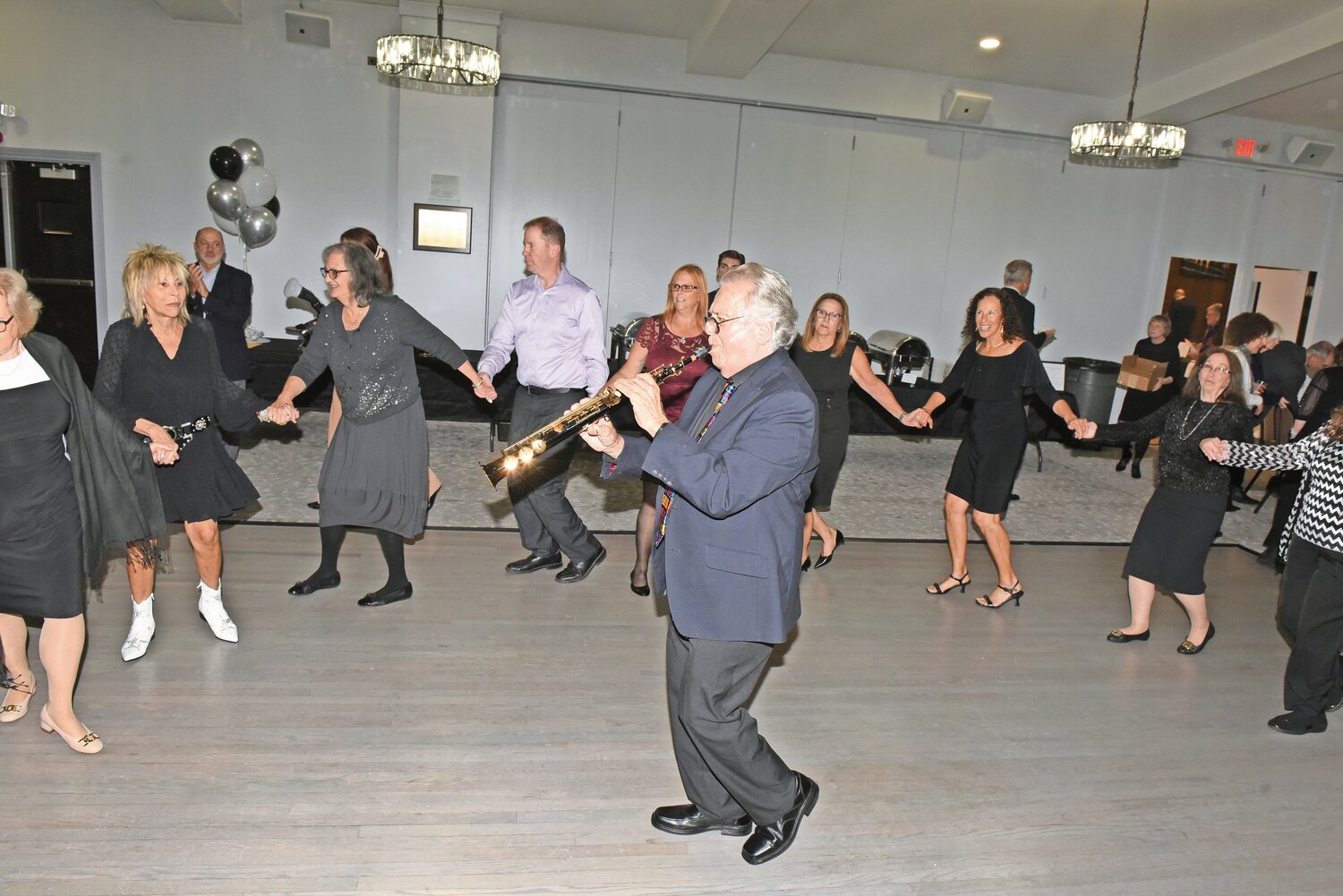
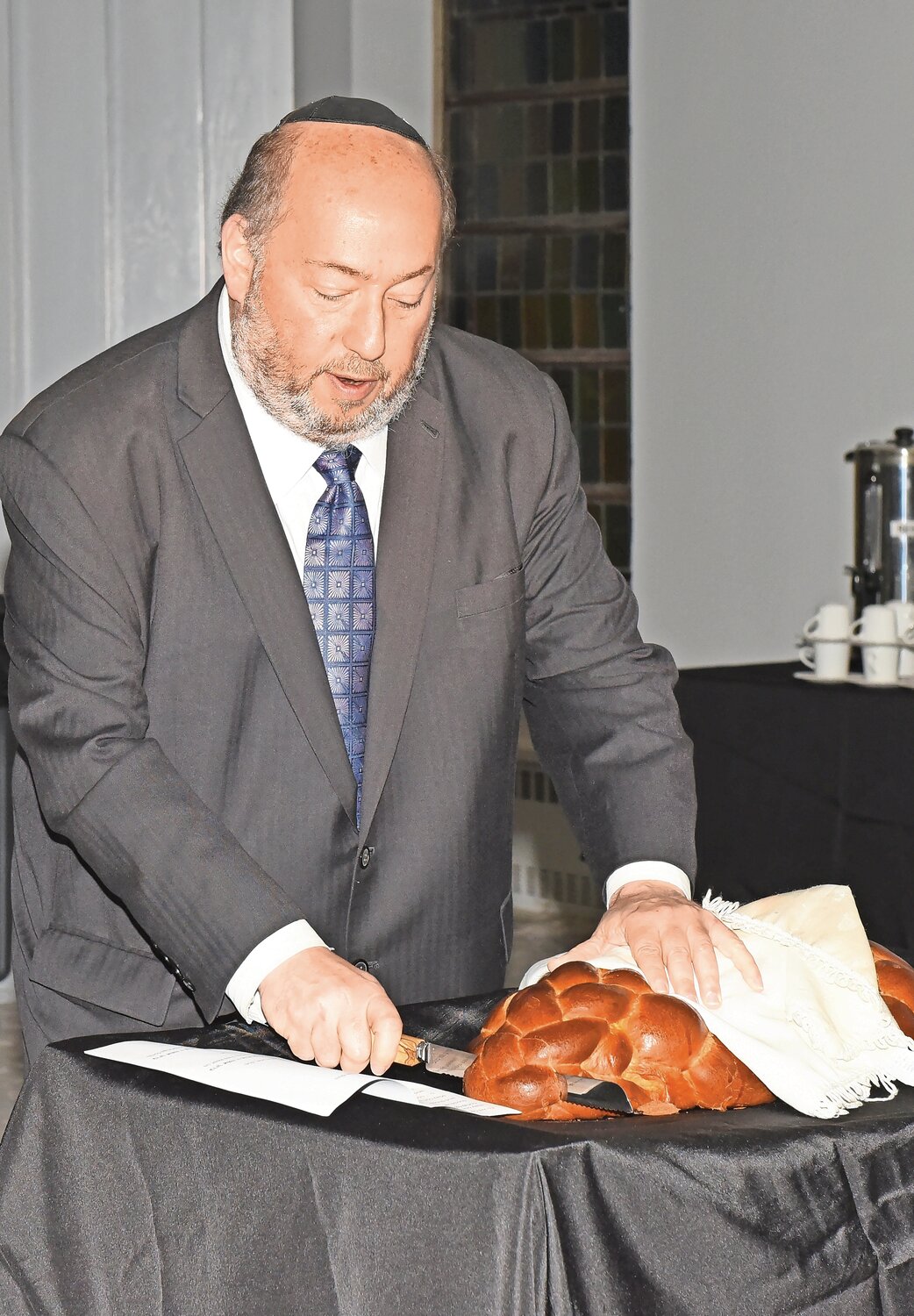
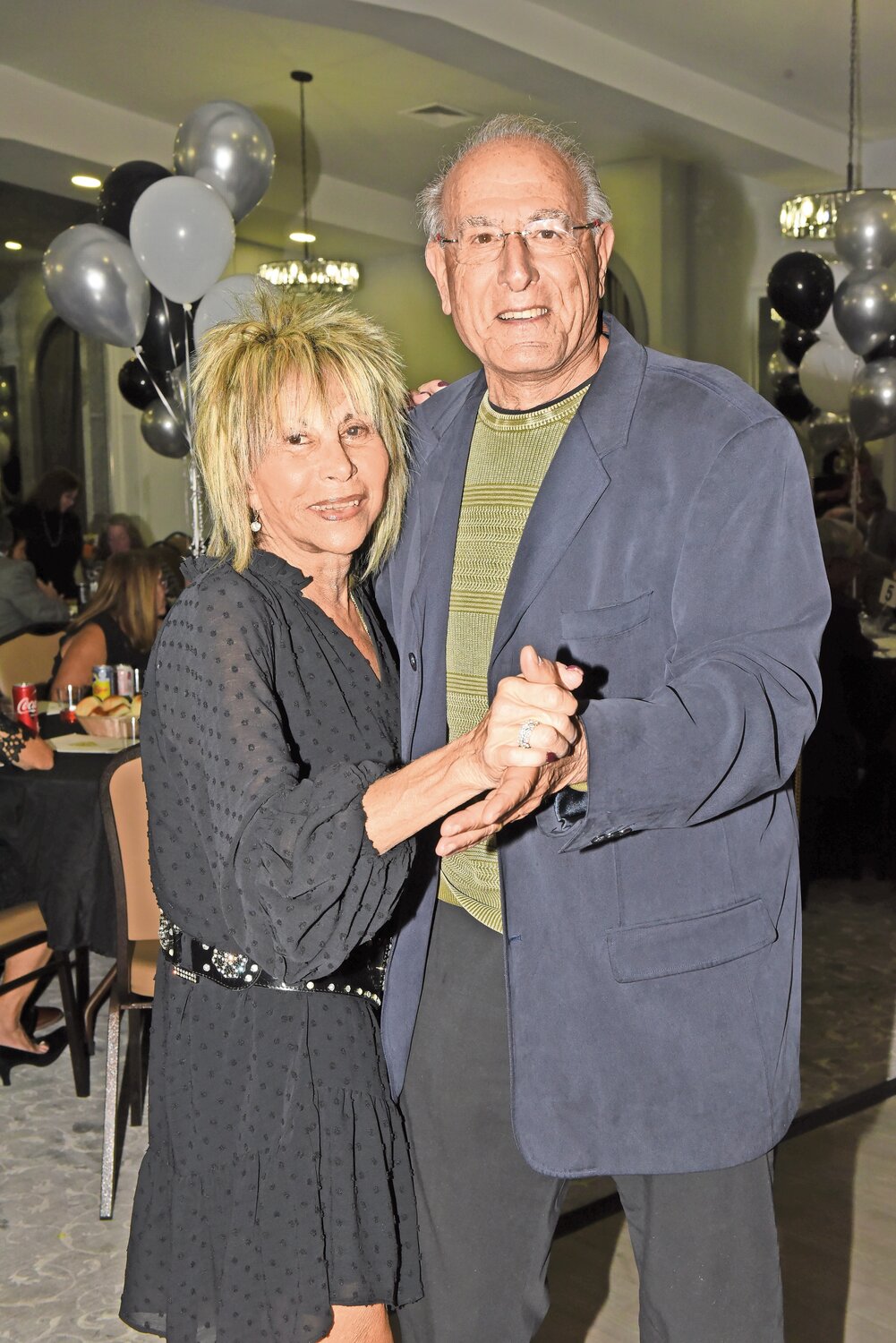
A: “Pre-COVID, I realized we were coming up to 70, and I said to [Baum], ‘Why don't we do a 70th anniversary party?’ And we formed a committee, and we started getting to talk about it. And then along came COVID, and that squashed the whole thing. While we were bringing the synagogue out of COVID while I was president, that was quite a job. And Rabbi kept asking me, ‘Jeff, we can do a 75th?’ And I said, ‘Yeah.’ I run a lot of the events and I had a vision of how I want to do it. Unfortunately, it was just too huge a thing to do as far as what we were going to do and what we would have to charge for a ticket, so we downsized it a little bit, and we had a magnificent affair this past Saturday night with over 100 people in attendance and some wonderful entertainment, an amazing caterer that I was finally able to use for an event at the temple.”
Q: As vice president of ritual and leader of the Chai Society, what are your priorities looking ahead?
A: “The priorities are to continue on the path of growing our membership. I don't like to use the word congregation. To me, Temple Beth, translated loosely, means house of the people. And I like to remind people that we're members. I don't like to use the word congregation. So to build our membership, to build our family, that is a goal for me. We have a tremendous amount of involvement between brotherhood and sisterhood and the social club and Chai Society. We have so much going on because it needs to be a center, not just a place to go and pray. It needs to be a community center where you get together for social events and to do things and to be together and meet new people and make new friends.”


