
Millions of Americans step into January with resolutions shaped by hope and self-reflection. By midmonth, many of those promises quietly fade, undone by unrealistic expectations or the weight of daily life. Some Lynbrook residents, however, describe a different approach — one less focused on dramatic reinvention and more rooted in self-awareness, boundaries and sustainability.
Resident Luke Rinaldi is starting the year with a goal that feels both personal and attainable. Rather than chasing a single measurable outcome, he wants to deepen his relationship with music. For Rinaldi, that means playing the piano more consistently, and exploring the possibility of turning a long-held passion into a career.
He acknowledged that past resolutions have gone unfulfilled, often because they felt forced or disconnected from activities that he enjoyed. This year, Rinaldi said, the goal feels different — grounded in curiosity instead of pressure.
Others in Lynbrook, in response to a post on FaceBook, say they have shaped their resolutions around internal change rather than external benchmarks. Jeanne Baal said she would focus this year on the people she allows into her life, and surround herself only with those who bring her joy. Her resolution reflects a broader shift toward emotional boundaries, prioritizing quality over quantity in her relationships.
Nicole Soricelli-Gonzalo’s focus is authenticity. Her goal for 2026, she said, is to be completely true to herself — a commitment that suggests letting go of expectations and embracing honesty in everyday decisions. For her, the resolution is less about change and more about alignment.
For Kimberly Niederman Pontrelli, also of Lynbrook, the new year is about subtraction rather than addition. Her goal is to eliminate unnecessary stress from her life, an idea that resonates with many but proves difficult in practice.
“It’s a lot harder than it sounds,” she said.
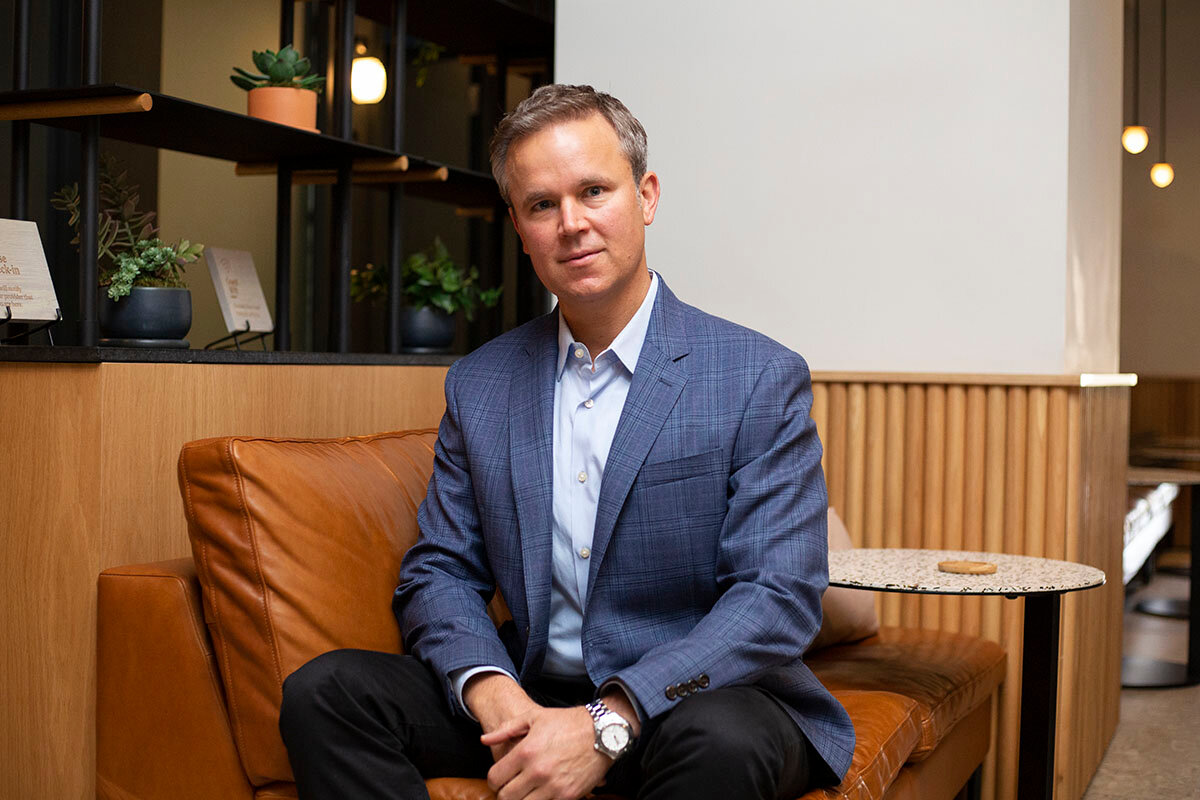
Mental health experts say these types of resolutions — personal, flexible and rooted in lived experience — are more likely to last. J. Ryan Fuller, Ph.D., a clinical psychologist and the executive director of New York Behavioral Health, a practice with multiple locations in the state, said the downfall of many resolutions isn’t a lack of discipline, but rather the way people interpret setbacks.
“New Year’s resolutions can be either beneficial or destructive,” Fuller said, explaining that resolutions become destructive when they are framed as rigid tests of character instead of evolving goals. When people miss a day, break a streak or fall short early, they often abandon the effort entirely.
“The important thing is not to see yourself as the failure if you don’t immediately succeed,” Fuller added. “Keep working toward progress.”
According to Fuller, willpower alone is rarely enough. Sustainable change comes from designing goals that fit naturally into a person’s life. He emphasized that there is no universal timeline for habit formation, despite popular claims that habits take a fixed number of days to develop. The complexity of the behavior matters far more than the calendar.
“If it’s a really simple habit, that’s a habit that could develop really quickly,” he said.
Fuller advises starting small — with changes that feel almost too easy — and building from there. That approach, he said, helps reduce the pressure that often derails motivation early in the year.
When making a resolution, Fuller stresses the importance of long-term “alignment.” Goals that clash with a person’s values, schedule or identity are less likely to stick, no matter how appealing they sound in January. “You want to make sure you’re picking things that align with your long-term goals, and be realistic,” he said.
For health-related resolutions in particular, Fuller said, success depends on personal motivation rather than comparison or external expectations. Unrealistic targets can quickly lead to frustration, while achievable steps help create momentum and confidence.
A central part of his approach is self-compassion — treating oneself with patience rather than criticism when setbacks occur. Resilience, Fuller said, is built not by avoiding failure, but by responding to it constructively. “Practicing self-compassion allows you to practice resilience,” he said.
When people are kinder to themselves after missteps, they are more likely to return to their goals instead of giving up entirely. Progress, Fuller said, is rarely linear — “engineering success by making it something achievable,” he said.


