
To the surprise of no one, Albany extremists — following the lead of Gov. Kathy Hochul — have once again proposed a one-size-fits-all, top-down mandate that would attack suburbia by stripping municipalities of control over local zoning.
The recently introduced REVIVE Act — sponsored by State Sen. James Skoufis and Assemblywoman Michaelle Solages — proposes to fast-track high-density housing by redeveloping “underutilized” commercial properties, and in the process, completely bypass the local review processes that ensure thoughtful, responsible growth.
Conveniently, the definition of “underutilized” is broad and open-ended, and includes shopping centers, office parks and parking lots, setting the threshold for “underutilized” as 50 percent vacant for one year. To make matters worse, the legislation contains a fast-track clause that would grant automatic approval to developments if municipalities fail to act within a rigid, state-imposed timeline that is far too short to accommodate any type of thoughtful and meaningful public input.
Worse yet, under the REVIVE Act, new developments would be permitted to be built as-of-right to the same height as the tallest existing building in the municipality. In the Town of Hempstead, the tallest building is Nassau University Medical Center, at 280 feet. This would allow high-density, high-rise developments of nearly 30 stories to be fast-tracked throughout our community on any “underutilized” parcel a developer should choose.
This proposal simply has one goal in mind: to increase density in suburban areas, no matter what.
It does not adequately take into consideration the real-world impact that high-density developments would have on traffic congestion, school capacity, environmental concerns and public safety. And frankly, it sends a troubling message that Albany doesn’t care about those impacts. Local zoning exists for a reason, and decisions about development should be made by the people who live in these communities, not imposed by bureaucrats hundreds of miles away.
This “Albany knows best” approach is not just misguided; it’s dangerous. Legislation like the REVIVE Act fails to account for a community’s existing infrastructure, its long-term planning goal, and, most concerningly, the voices of residents who would be most affected. Responsible growth isn’t just about adding housing units. It’s about ensuring that our neighborhoods can thrive in the best way possible for every resident. Development needs to be sustainable, strategic, and aligned with the needs and character of the community.
That’s why I’ve been proud to stand with local and state leaders in strong opposition to this egregious state overreach. Last month I joined members of the State Senate and Assembly in Albany to denounce the REVIVE Act. More recently, I stood with a coalition of elected officials from across Nassau County in front of Samanea Mall in Westbury — a site that could easily be deemed “underutilized” under this legislation and targeted for high-density redevelopment.
That location is not unique. There are countless sites across Long Island that could fall under the scope of this bill. And instead of encouraging balanced economic development or supporting job-creating commercial investment, Albany appears determined to impose high-density, high-rise residential projects with little regard for community impact.
Suburban communities aren’t Albany’s plaything to experiment with. They are neighborhoods where families have built their lives, where small businesses support local economies and where residents take pride in the character of their towns. Stripping those communities of their voice isn’t just bad policy — it’s fundamentally detrimental to the principles of local governance and community-driven planning.
And make no mistake: Opposition to the REVIVE Act isn’t limited to elected officials. Residents across the region are speaking out because they understand what is at stake. They know that once local control is taken away, it will be impossible to get back. They know that decisions made without their input will shape their neighborhoods for generations to come.
That’s why I launched an online petition so residents can make their voices heard and stand up against this misguided proposal. I encourage everyone to visit Change.org/StopReviveAct and join the growing number of Long Islanders who are saying enough is enough.
The REVIVE Act doesn’t just get the balance wrong — it ignores it entirely. And if we allow that to happen, the consequences won’t be felt in Albany. They’ll be felt on our roads, in our schools and in the neighborhoods we call home.
That’s why this fight matters. And that’s why the REVIVE Act must be stopped.
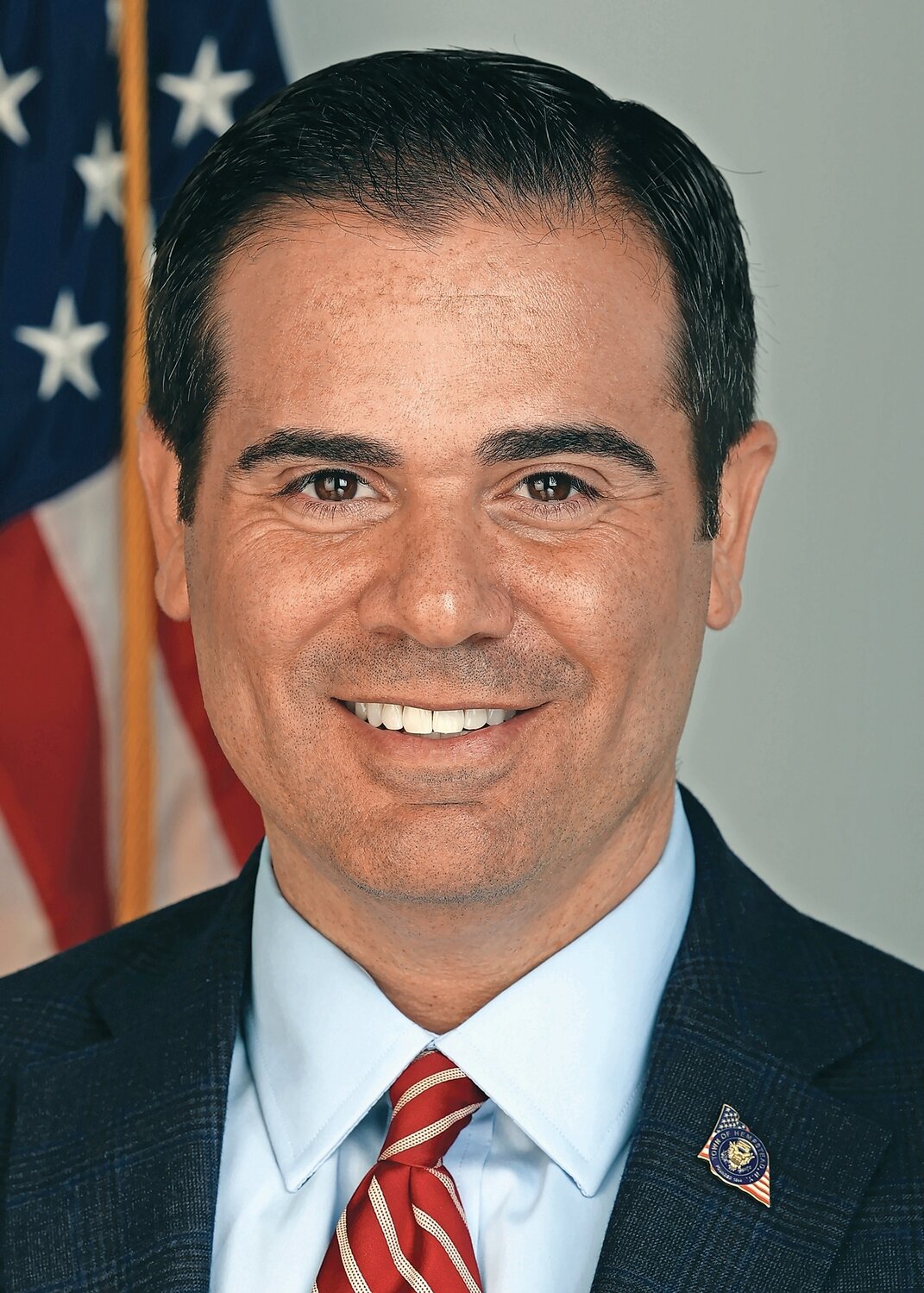
John Ferretti is the Town of Hempstead supervisor.


