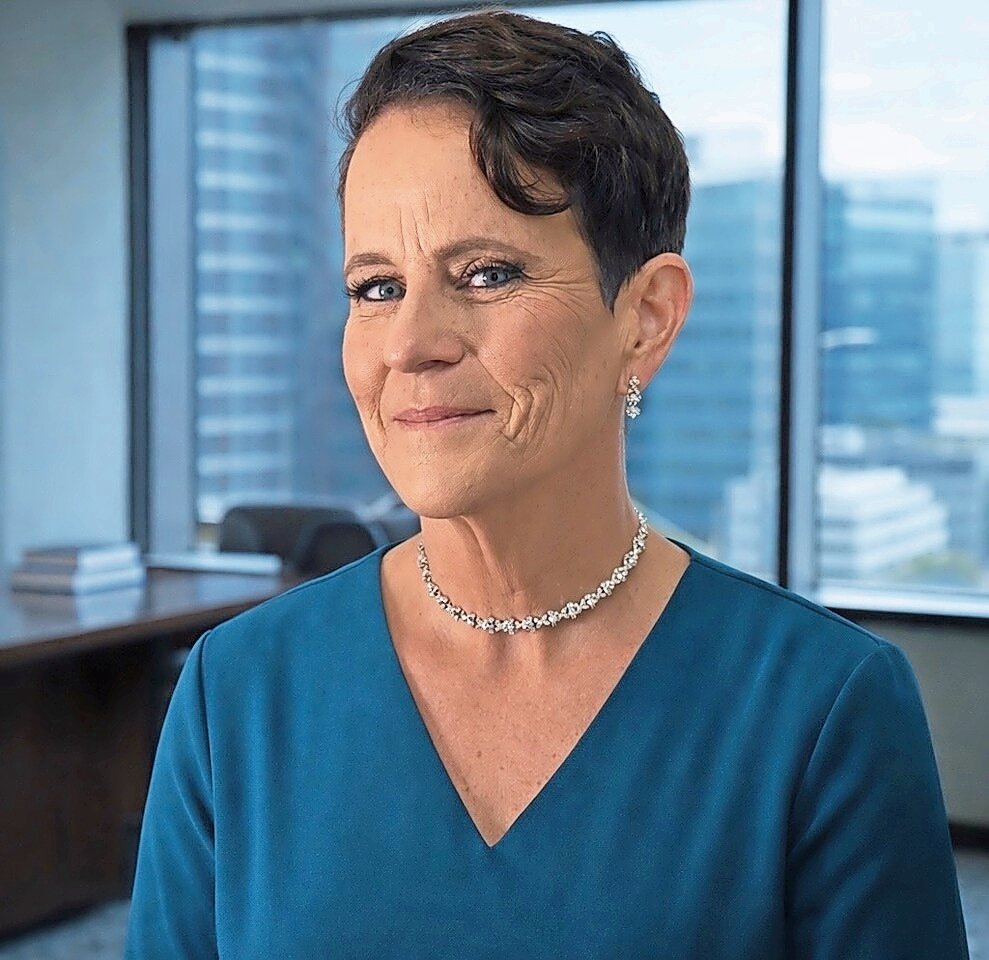
By Christina Hauptman
For years, my son Cody and I were known in court papers only by our initials. Today I am using my full name — as a Long Island mother, a family peer advocate and one of the formerly anonymous plaintiffs in C.K. v. McDonald. I joined this class action lawsuit to challenge New York state’s widespread failure to provide mental health services to children on Medicaid.
In January, a federal judge approved a settlement, and the state agreed to dramatically improve access to these services. It’s a measure of justice, but it is incomplete without investments in the struggling nonprofit providers who deliver this vital care to kids like Cody.
Cody needed help almost from the moment he entered this world. I worked as an early childhood educator, and I recognized the signs. By age 3, he was diagnosed with ADHD, oppositional defiant disorder and severe social anxiety; at 4 he was psychiatrically hospitalized. He struggled to function in school. From ages 10 to 12 he was in a residential treatment center, where he finally began to thrive.
In 2019 Cody was discharged and came home. He was supposed to receive home- and community-based mental health services to give him the tools to re-integrate. He was entitled to at-home therapy to manage his emotions, as well as crisis respite services — an alternative to hospitalization to provide stability during crises.
He received care through Medicaid, its access guaranteed by federal law. But the reality was different: Providers changed constantly, programs had waitlists and services disappeared without explanation.
Without consistent, medically necessary services, Cody couldn’t handle the transition to home, and while lingering on waitlists, he had his first suicide attempt.
All the while, I was working inside the system. I took a job with WellLife Network, a nonprofit mental health provider, as a supervisor of community-based services and a family peer advocate. These advocates are an indispensable component of our behavioral health system. We provide care as parents of children with mental health issues. As such, we are trusted messengers when offering services like skill development. But working as an advocate, I saw the chronic understaffing, the underfunding, and the burnout.
I knew that the system was failing, even as my family lived it personally. And we aren’t alone. Across the state, three in four Medicaid-eligible children who need outpatient behavioral health services are not receiving them. The disparities are similar on Long Island, and grow worse the closer you look. Eighty-five percent of Medicaid-eligible children in our area are not receiving the outpatient clinical services they need, and nearly 500 more practitioners are needed to fill the gap.
Without an investment for providers to expand services, children will lose out on programs that stabilize them before a crisis lands them in the hospital, or in handcuffs.
We cannot afford to continue neglecting these services.
Medicaid reimbursement rates for them have stagnated, even as costs have risen. Nonprofit providers can’t pay competitive wages. Staff leave, caseloads grow, and some programs stop offering Medicaid services altogether.
I joined that lawsuit because I was fed up with a broken system. Alongside three other families, we charged that New York was violating Medicaid law by failing to provide required community-based services. As part of the settlement, New York must review long-inadequate Medicaid reimbursement rates to improve services. But the settlement gives the state a yearslong runway, and families can’t wait for reform.
If New York is serious about meeting both its legal and moral responsibilities, lawmakers must act this budget season. Providers across the state are calling for a $200 million investment to increase Medicaid reimbursement rates for children’s behavioral health services.
Unfortunately, the governor’s and the State Senate’s proposed budgets do not include new resources. The Assembly did include $20 million to improve reimbursement rates, but that is far short of the support that is needed.
Without investment, the promises in the settlement risk becoming hollow. It may be too late to give my son back the years he lost, but it doesn’t have to be too late for others.
Every child on Long Island and across the state deserves timely mental health care in their home and community. The settlement made clear that New York falls short. Now our lawmakers must make the investment necessary to turn that legal victory into real change for families like mine.
Christina Hauptman is a family peer advocate and a New York state peer specialist on the Intensive and Sustained Engagement Team at Hands Across Long Island.